Russia’s neighbor backs push to lift ban on nuclear weapons, prompting outcry from Moscow
Source Entity
US Top News and Analysis
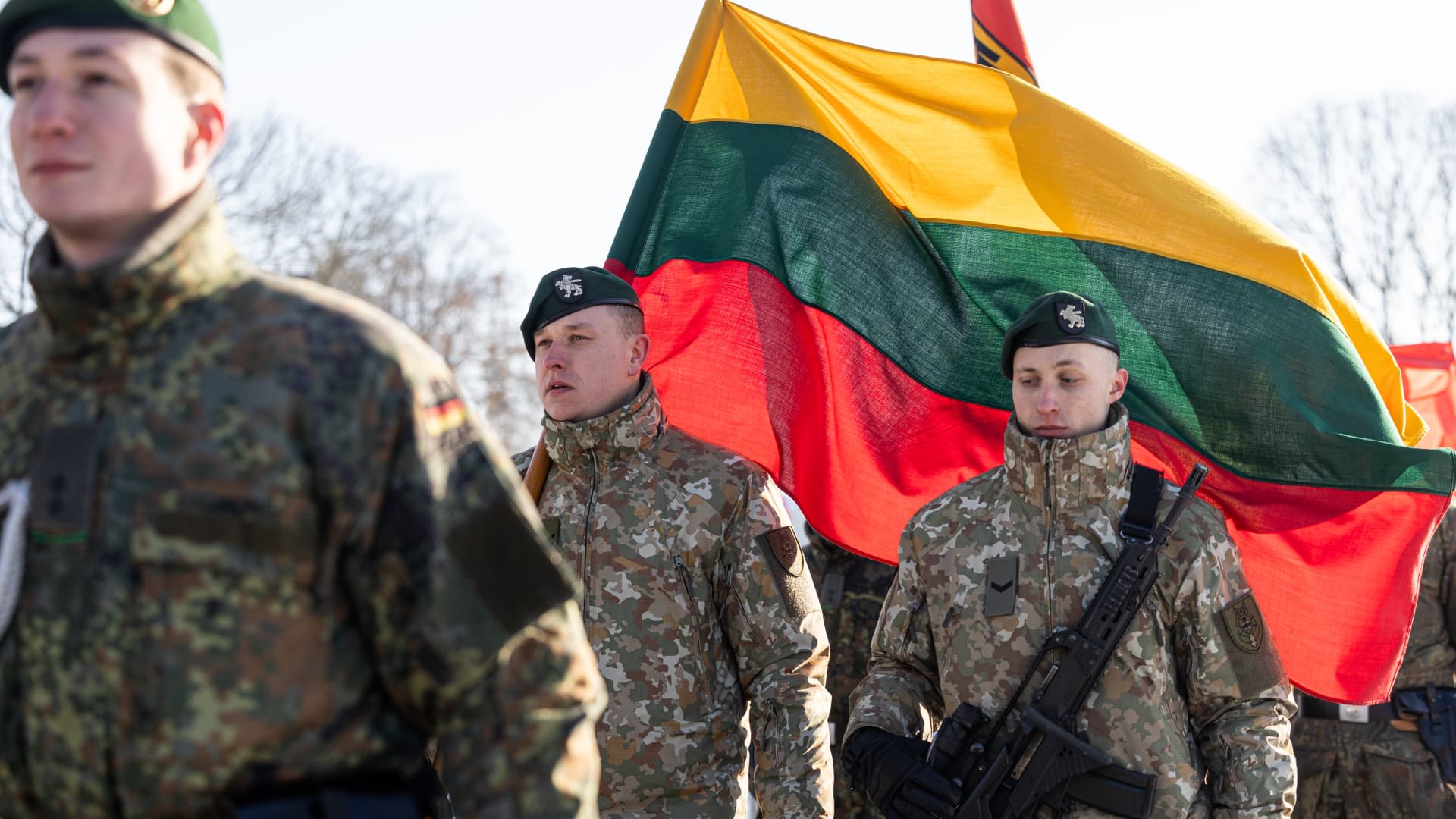
Lithuania is moving to lift its constitutional ban on hosting nuclear weapons and has offered to finance a permanent US military base. This dual initiative, aimed at bolstering regional security against Russia, has drawn sharp warnings from the Kremlin regarding escalating tensions.
Lithuania’s Strategic Shift in Baltic Security
Lithuania is currently navigating a significant paradigm shift in its national security policy, marked by the legislative advancement of a constitutional amendment that would lift the existing ban on hosting nuclear weapons. This move, which passed its first parliamentary hurdle, is slated for a final decisive vote on January 12. President Gitanas Nauseda has positioned this initiative as a necessary response to the growing security concerns emanating from the border with Russia’s Kaliningrad exclave, signaling a departure from traditional regional defense postures.
Financial Commitment to US Presence
Beyond the nuclear policy shift, Prime Minister Mindaugas Sinkevicius has made a bold financial commitment, declaring that Lithuania is prepared to fully fund the establishment of a permanent United States military base. This offer represents an aggressive push to transition from the current rotational model—which has seen an armored US battalion of approximately 1,000 troops deployed in the country since 2019—to a long-term, permanent American military footprint. President Donald Trump has acknowledged the request, indicating that the US is open to reviewing the proposal.
Escalation and Kremlin Reactions
Predictably, the Kremlin has responded with severe criticism, labeling these developments as a significant escalation of regional tensions. By linking the potential permanent US base with the constitutional amendment regarding nuclear weapons, Moscow views Lithuania’s actions as a direct challenge to the regional status quo. The proximity of Lithuania to Kaliningrad makes these policy changes particularly sensitive, as the Kremlin perceives any expansion of NATO infrastructure in the Baltics as a fundamental threat to its strategic interests.
The Geopolitical Context
This legislative maneuvering occurs within a broader framework of Baltic states seeking to fortify their defenses against perceived Russian aggression. By utilizing the United Nations General Assembly as a platform to signal these changes, Lithuania is attempting to garner international support for its security stance. The willingness of a small nation to assume the financial burden of a host-nation support agreement for a major power highlights the urgency felt in Vilnius regarding the current geopolitical climate.
Future Implications and Regional Stability
Looking ahead, the success of the January 12 parliamentary vote will serve as a bellwether for Baltic-Russian relations. If the constitutional change is enacted, it will likely necessitate a recalibration of NATO’s collective defense strategy in Eastern Europe. While Lithuania views these measures as essential deterrence, the move risks triggering a cycle of counter-measures from Moscow, potentially leading to a more militarized and volatile Baltic region in the coming years.