MEA condemns attacks on vessels in Black Sea, Hormuz; urges end to hostilities
Source Entity
KANCHAN YADAV
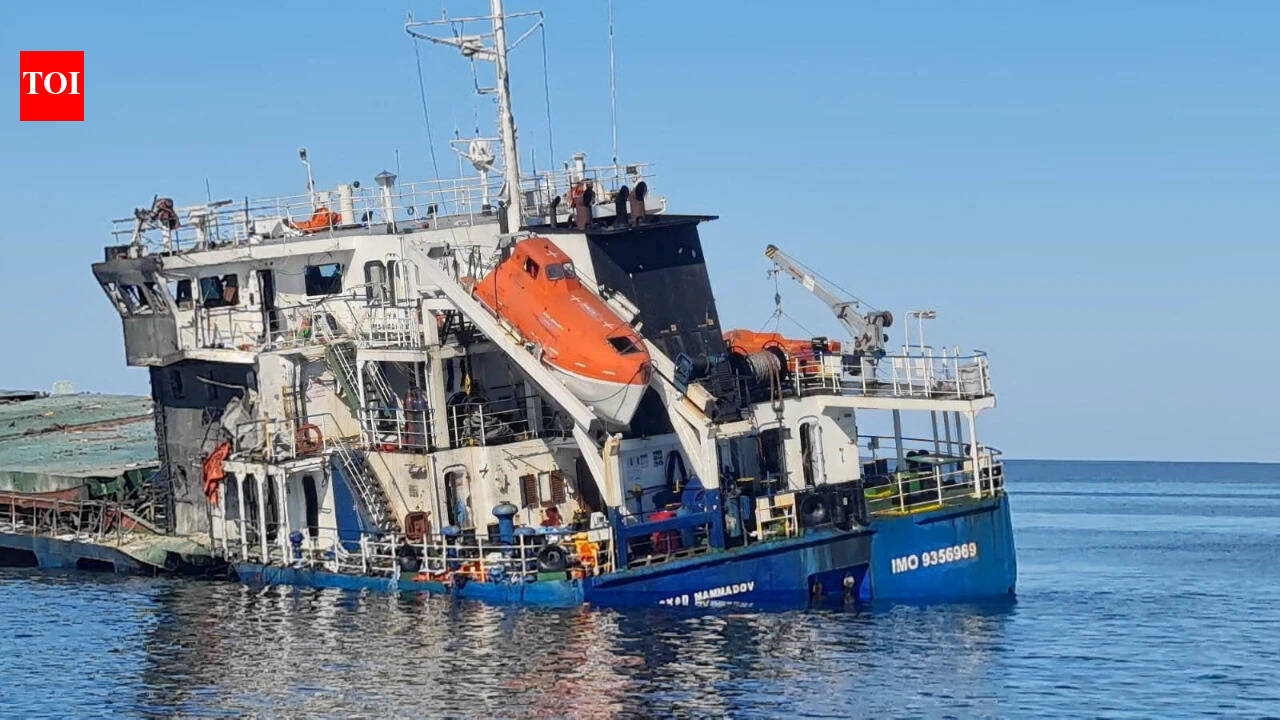
Eleven Indian crew members were injured following a projectile strike on the Panama-flagged vessel MT On Peace in the Strait of Hormuz. India has formally condemned this attack, alongside recent hostilities in the Black Sea, calling for an immediate end to threats against commercial shipping.
Escalating Maritime Threats: The Attack on MT On Peace
On Tuesday, October 6, 2026, the maritime security landscape faced a significant disruption when the Panama-flagged commercial vessel MT On Peace was struck by a projectile while transiting the strategically vital Strait of Hormuz. The incident resulted in injuries to 12 of the 19 crew members on board, 11 of whom are Indian nationals. The Ministry of External Affairs (MEA) of India confirmed the strike occurred off the coast of Oman, highlighting the ongoing vulnerability of merchant vessels navigating these high-traffic waters.
India’s Diplomatic Stance and Condemnation
The Indian government has responded with a firm condemnation of the incident. By formally denouncing the attack on the MT On Peace, New Delhi has signaled its growing concern over the safety of Indian seafarers, who represent a significant portion of the global maritime workforce. This diplomatic response is not isolated; it underscores India's broader commitment to protecting its citizens abroad and maintaining the integrity of international shipping lanes that are essential to global trade and energy security.
The Strategic Importance of the Strait of Hormuz
The Strait of Hormuz is widely regarded as one of the world's most important maritime chokepoints, through which a significant percentage of the world's oil supply passes. The projectile strike on the MT On Peace serves as a stark reminder of the volatility inherent in this region. Any threat to vessels in this area carries the potential to disrupt global energy markets, inflate shipping insurance premiums, and necessitate increased naval patrols by international coalitions aiming to safeguard transit corridors.
Broader Regional Instability
This incident does not exist in a vacuum. The MEA’s statement also referenced recent hostilities in the Black Sea, specifically noting an attack on the vessel MV ROYAD MAMMADOV, which resulted in two fatalities and injuries to additional crew members, including Indians. By linking these two theaters of conflict—the Black Sea and the Strait of Hormuz—the Indian government is highlighting a global trend of escalating threats against commercial shipping, suggesting that merchant mariners are increasingly becoming collateral damage in regional geopolitical disputes.
Future Trends and Security Implications
The pattern of targeting commercial vessels suggests a shift in maritime warfare tactics, where projectiles are being used to exert pressure on global supply chains. Looking forward, the international community may face increased pressure to bolster maritime domain awareness and implement more robust defensive measures for non-military vessels. As the safety of seafarers continues to be compromised, nations with significant maritime personnel, such as India, are likely to advocate for stronger international protections and stricter adherence to the laws of the sea to prevent further loss of life.