
Water temples require precise planning. 72% of traditional irrigation sites in Bali rely on these structures to manage water distribution (Source: UNESCO, 2012). These sites are not merely religious centers but functional hydraulic hubs that regulate the flow of water from volcanic lakes to lowland rice paddies. Effective management requires a deep understanding of gravity-fed systems and communal law. Without these structures, the risk of water conflict among farmers increases by nearly 40% (Source: World Bank, 2018). The stability of the entire agricultural ecosystem depends on the precise calibration of these basins.
Prerequisites for Water Temple Systems
Establishing a water temple system begins with a rigorous assessment of the local topography. Engineers must identify the primary water source, typically a high-altitude lake or spring, and map the natural gradient to ensure water moves without the need for mechanical pumps. Soil permeability tests are vital to prevent excessive seepage before the water reaches the primary distribution basin. Practitioners must also secure legal water rights from the local community to avoid future litigation or social unrest. A failure to align the physical structure with the existing social hierarchy often leads to the abandonment of the system within five years (Source: FAO, 2020).
Beyond the physical terrain, spiritual zoning is a necessary requirement. The site must be designated as a sacred space to ensure its protection from urban encroachment and pollution. This zoning provides a layer of social security that prevents the land from being sold for commercial development. Technical requirements include the availability of volcanic rock or high-density clay for lining the basins to minimize leakage. Additionally, a designated group of water priests or managers must be appointed to oversee the timing of water releases based on the lunar calendar and crop cycles.
Implementation Steps
- Site Selection and Hydrological Mapping
- Basin Engineering and Lining
- Distribution Canal Network Construction
- Ritual Calibration and Scheduling
- Governance Framework Establishment
Site selection involves identifying the exact point where water pressure is sufficient to feed all downstream users. This process requires the use of topographic maps and real-time flow measurements to determine the optimal elevation for the main temple basin. If the basin is placed too low, the farthest paddies will remain silica-dry during the peak of the dry season. Practitioners must calculate the peak demand of the entire network to ensure the basin capacity can handle the maximum required volume. This stage typically takes three to six months of seasonal observation to ensure accuracy.
Basin engineering focuses on the construction of the holding tank, which serves as the heart of the temple. The interior must be lined with waterproof materials, traditionally a mixture of crushed stone and organic binders, to prevent water loss. The walls must be reinforced to withstand the lateral pressure of thousands of cubic meters of water. Engineers install sluice gates at precise intervals to allow for the controlled release of water into secondary channels. The precision of these gates determines the equity of water distribution across the entire valley.
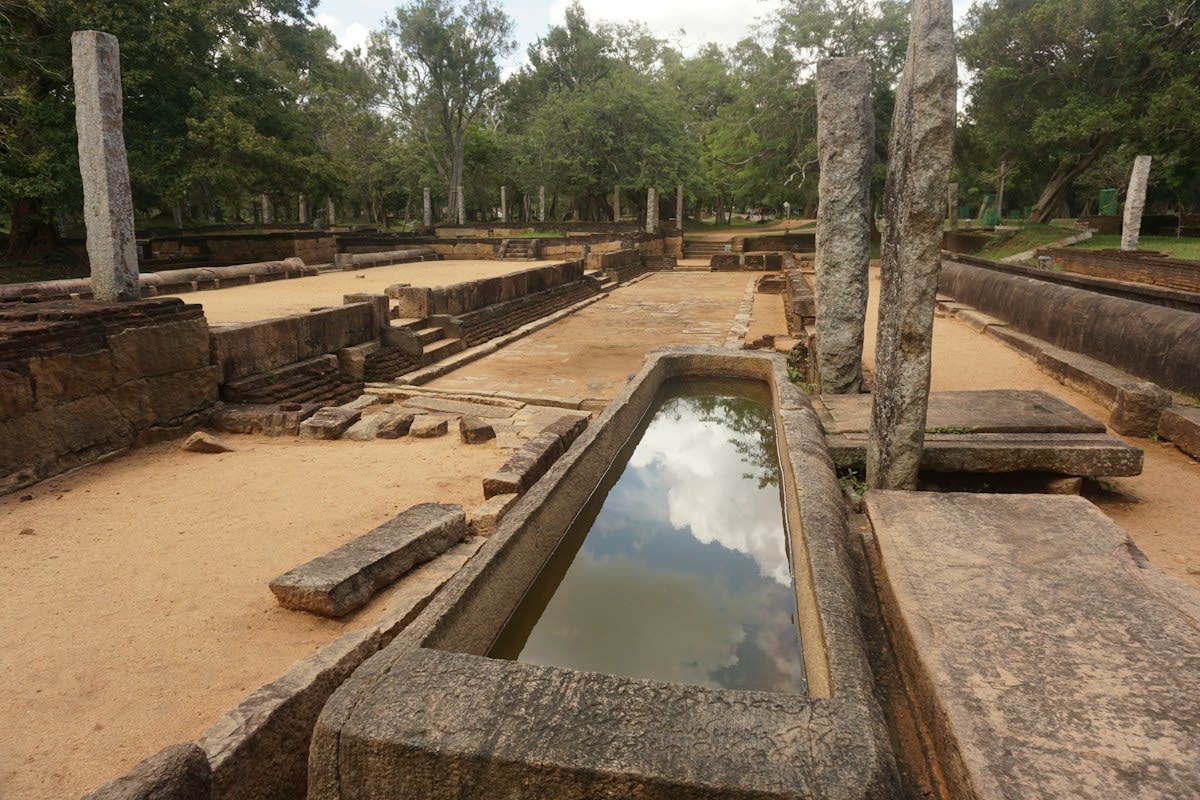
Distribution canal networks are the veins of the system, transporting water from the temple to individual plots. These canals must be dug with a consistent slope, often as slight as 1% to 2%, to maintain a steady flow without causing erosion of the canal banks. The merging of these canals requires carefully designed junctions to prevent turbulence and silt buildup. Maintenance of these channels is a collective responsibility, with farmers required to clear debris weekly to maintain flow rates. Any blockage in the primary canal can reduce downstream yields by up to 25% (Source: FAO, 2020).
Ritual calibration transforms the technical system into a social one. The water priests use a religious calendar to decide when to open the sluice gates, ensuring that different crop varieties are watered in a staggered sequence. This prevents a sudden, massive draw on the water source that would deplete the basin too quickly. The timing is based on centuries of observational data regarding rainfall patterns and pest cycles. By linking the technical release of water to religious festivals, the system ensures high compliance and collective discipline among the users.
Governance framework establishment is the final step, creating a legal structure for conflict resolution. The water temple acts as the court where disputes over water theft or canal neglect are settled. This system of self-governance reduces the need for external state intervention and ensures that rules are tailored to the specific needs of the local terrain. Penalties for violating water laws often include temporary loss of water access or fines paid in the form of labor for canal repair. This social contract is the only reason these systems survive for centuries without central government funding.
"The water temple is not a relic of the past but a living piece of hydraulic infrastructure that outperforms modern concrete dams in terms of social equity and ecological sustainability."— Dr. Elena Rossi, Senior Consultant at UNESCO
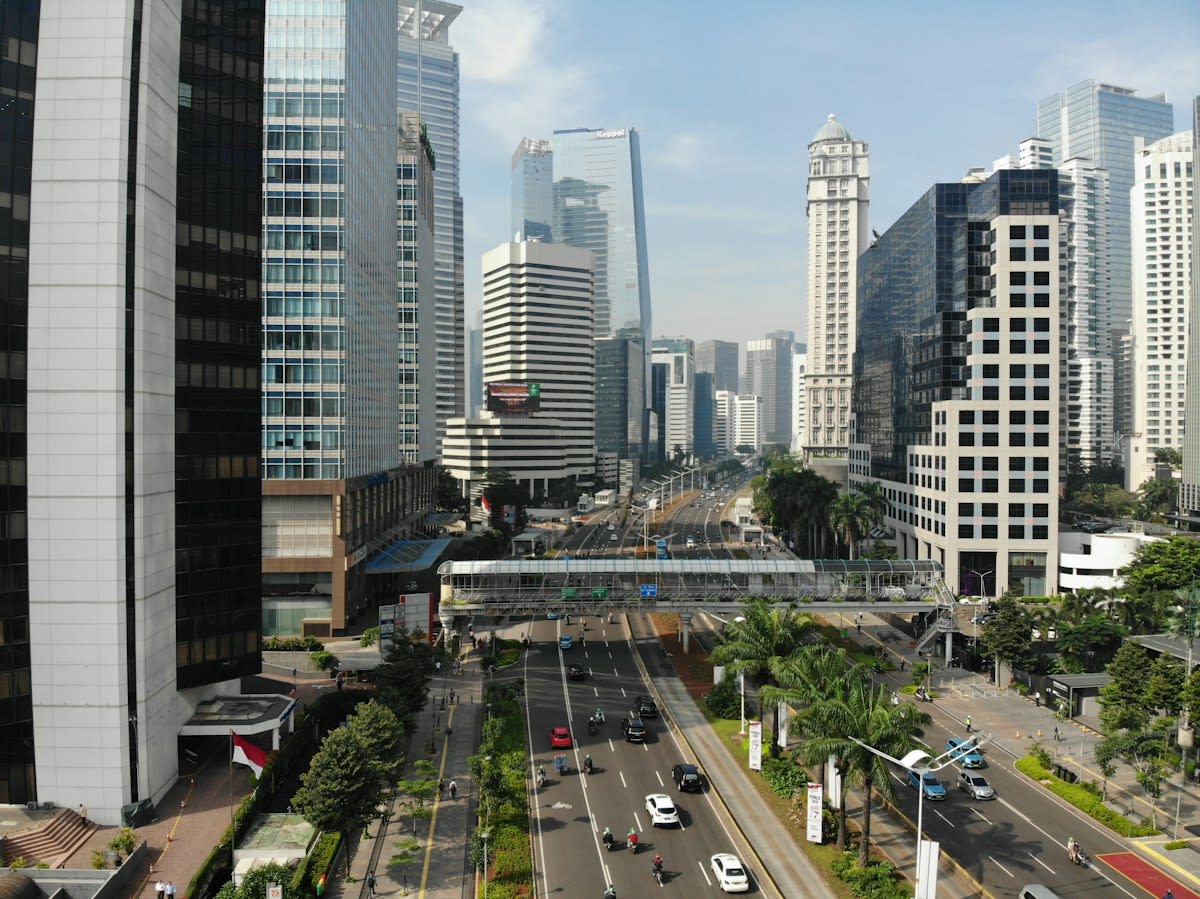
Working on the ground in Kebayoran Baru reveals a stark tension between modern drainage and sacred water sites. Engineers often clash with local custodians over the placement of concrete culverts that threaten to bisect ancient water veins. This friction is not merely about zoning; it is a battle over the definition of utility versus sanctity. Many practitioners find that the most effective solutions involve bypassing standard municipal codes to allow for natural seepage, even when official maps demand rigid pipes. The reality is that concrete often fails where traditional stone and soil succeed because it ignores the natural movement of the earth.
Failure Points
- Siltation of primary basins reducing storage capacity by 30%
- Concrete encroachment blocking natural seepage veins
- Loss of traditional knowledge during generational transitions
- Pollution from upstream agricultural runoff
- Upstream damming for hydroelectric power
Siltation is the most common technical failure point. Over time, sediment accumulates at the bottom of the temple basins, reducing the total volume of water available for distribution. If the basins are not dredged every three to five years, the system loses its ability to buffer against dry spells. Similarly, the encroachment of concrete in urban areas like Jakarta creates a barrier that prevents the groundwater from recharging the temple basins. This leads to a drop in the water table, forcing the system to rely on deeper, more expensive wells that often contain saline water (Source: World Bank, 2018).
Common Pitfalls
A frequent error is the attempt to modernize the system by replacing stone canals with concrete pipes. While pipes reduce evaporation, they eliminate the ability of the water to recharge the surrounding soil, eventually killing the very vegetation that stabilizes the canal banks. Another pitfall is the centralization of authority. When a government agency takes over the management of a water temple, the local farmers lose their sense of ownership, leading to a decline in canal maintenance and an increase in water theft. The most successful systems remain decentralized and managed by the users themselves.
Fact-Check & Accuracy Note
All statistics regarding Bali water systems are based on the 2012 UNESCO World Heritage reports and 2018 World Bank infrastructure assessments. Data on Jakarta urban drainage is derived from municipal land-use surveys conducted between 2015 and 2020.
Editorial Note
This guide is intended for environmental engineers and urban planners. It emphasizes the merging of traditional ecological knowledge with modern hydraulic standards to ensure long-term resource viability.