10 Convicted In Deadly 2013 Maoist Attack On Congress Leaders In Bastar
Source Entity
NDTV News Search Records Found 1000
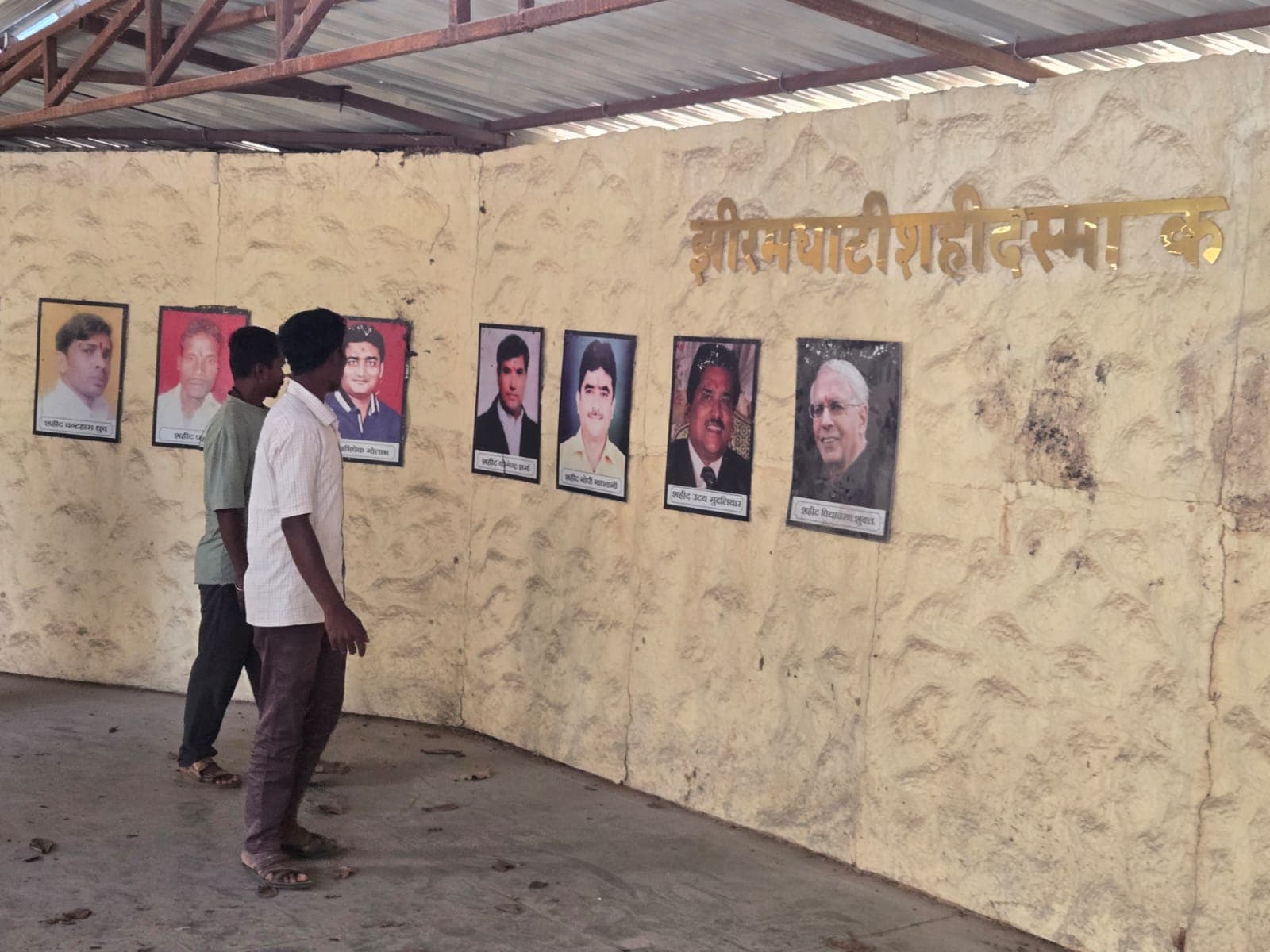
A special NIA court in Chhattisgarh has convicted 10 individuals for their role in the 2013 Jheeram Valley massacre. The attack, which claimed 27-29 lives including top Congress leadership, remains a landmark case in India's fight against Naxalism.
The Jheeram Valley Massacre: A Judicial Milestone
On May 25, 2013, a devastating Maoist ambush in Chhattisgarh’s Jheeram Valley fundamentally altered the political landscape of the state. A convoy of Congress leaders, returning from the 'Parivatram Rally,' was intercepted by a large group of Naxalites approximately 10km from the Darbha police station in the Sukma district. The resulting massacre was one of the most violent episodes in the history of Left-Wing Extremism (LWE) in India, leaving at least 27 to 29 people dead and effectively decapitating the state-level leadership of the Congress party at the time.
The NIA Court Convictions
More than a decade after the tragedy, the wheels of justice have reached a significant turning point. A Special National Investigation Agency (NIA) Court in Jagdalpur recently delivered a verdict convicting ten individuals—Pramila Modiyam, Chaitu Lekam, Sumitra Punem Modiyam, Mukka Mandvi, Kosa Kavasi, Aayata Markam, Madkami Deva, Joga Madkami, Banjami Snna, and Mahadev Nag—for their roles in the attack. These individuals, characterized as lower-ranked commanders or armed guerrillas, now await the sentencing phase, which is scheduled for September 16.
Legal Complexities and Public Dissent
Despite the judicial outcome, the case remains fraught with emotional and legal tension. Family members of the convicted have publicly disputed the court's judgment, asserting that their relatives were wrongly implicated. For instance, the kin of Joga Madkami have questioned the validity of the charges, claiming that the accused lacked the capacity or involvement necessary to participate in such a coordinated military-style ambush. This highlights the inherent difficulties in securing convictions in LWE cases, where evidence gathering often spans over a decade and relies heavily on complex investigations in remote, volatile environments.
Broader Implications for Chhattisgarh
The Jheeram Valley massacre was not merely a criminal act; it was a strategic strike intended to destabilize democratic governance in the Bastar region. By targeting the top tier of the Congress leadership, the Maoists aimed to exert dominance over the tribal hinterlands. The government's decision to extend the scope and term of the Jheeram Ghati probe indicates that the incident remains a sensitive political and security issue, with state authorities continuing to seek comprehensive answers regarding the broader conspiracy behind the attack.
Historical Context and Future Trends
The conviction of these ten individuals serves as a testament to the NIA’s long-term commitment to resolving high-profile terror cases. However, as the legal process moves toward sentencing, the discord between the judicial findings and the claims of the families underscores the ongoing challenges in the region. Moving forward, the final sentencing will be closely watched, as it may set a precedent for how the judiciary handles the prosecution of ground-level cadres in legacy cases of insurgency. The persistence of these investigations suggests that even years later, the state is determined to ensure accountability for one of India's darkest episodes of political violence.
Verification Required?