‘Walk away from the samosa’: What experts say about the 10-second self control test
Source Entity
The Indian Express
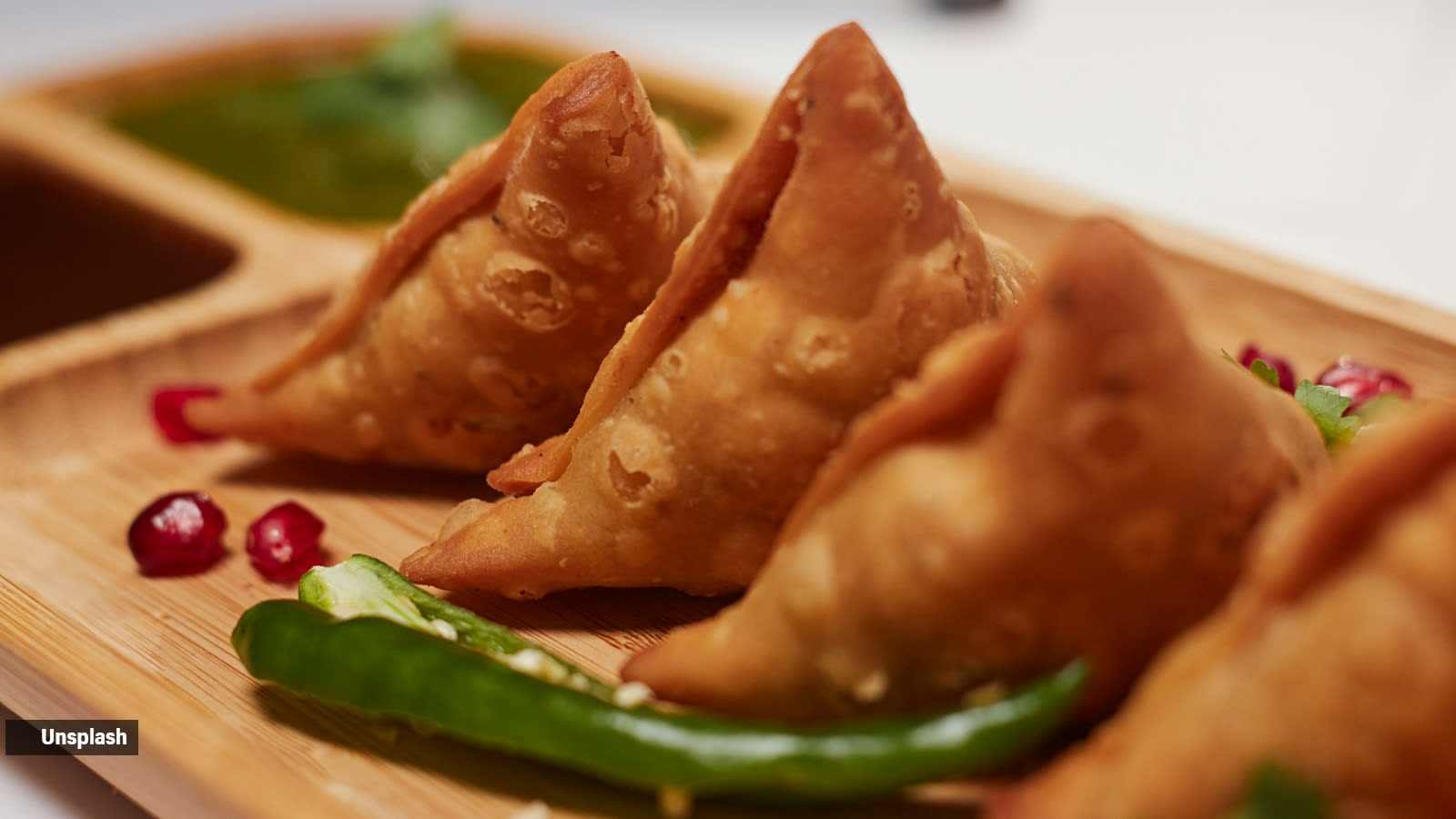
Neurologist Dr. Sudhir Kumar has proposed a '10-Second Samosa Test' to measure self-control and improve metabolic health. While experts validate the focus on discipline, they caution that this simple test is not a comprehensive indicator of overall health.
The Psychology of Impulse Control: Analyzing the 10-Second Samosa Test
A Neurological Perspective on Temptation
Dr. Sudhir Kumar, a noted neurologist, has sparked a public conversation by introducing the "10-Second Samosa Test." The premise is straightforward: when presented with a high-calorie, tempting food item like a hot samosa, the individual must choose a sugar-free coffee and consciously walk away. By quantifying this discipline—aiming for a success rate of nine out of ten attempts—Dr. Kumar suggests that individuals can strengthen their executive function and improve physical health outcomes, such as blood sugar regulation, triglyceride levels, and waistline management.
The Behavioral Science of Habit Formation
At its core, the test leverages the concept of delayed gratification. In behavioral science, the ability to resist immediate rewards in favor of long-term health benefits is a hallmark of strong self-regulation. By framing the act of saying "no" as a repeatable "test," Dr. Kumar is essentially advocating for the development of mindfulness in dietary habits. Regularly bypassing "unnecessary temptations" serves as a form of cognitive training, reinforcing neural pathways associated with impulse control and conscious decision-making.
Physiological Impacts of Dietary Restraint
Beyond the psychological aspect, the test addresses the tangible physiological benefits of avoiding processed, high-calorie snacks. Consistently resisting these temptations directly impacts metabolic markers. By reducing the intake of foods high in saturated fats and refined carbohydrates, individuals can effectively manage their blood glucose levels and reduce systemic inflammation, which are critical factors in preventing heart disease and metabolic syndrome.
Expert Caveats and the Nuance of Health
While the message regarding self-control is sound, health experts emphasize that the test should not be viewed as an absolute barometer for one's overall health. Human behavior is influenced by a complex web of environmental, emotional, and biological factors. Failing the "samosa test" does not necessarily indicate a lack of discipline; rather, it may reflect external stressors, physiological hunger cues, or the absence of healthier alternatives. Health is a multifaceted construct that extends far beyond a single moment of dietary choice.
Future Trends: Integrating Mindfulness into Nutrition
As we look toward the future of public health, such "micro-habits" are likely to gain traction. The trend of gamifying health goals—such as the 10-second test—makes daunting lifestyle changes feel more manageable. By breaking down complex health goals into small, actionable "tests" of willpower, individuals are more likely to sustain long-term improvements in their cardiovascular and metabolic health. This approach highlights a shift toward behavioral medicine, where mental resilience is treated as a vital component of physical well-being.