10 yrs of JJ Act: Has the law helped kids reform or pushed more towards adult trials?
Source Entity
SAURABH THAKUR
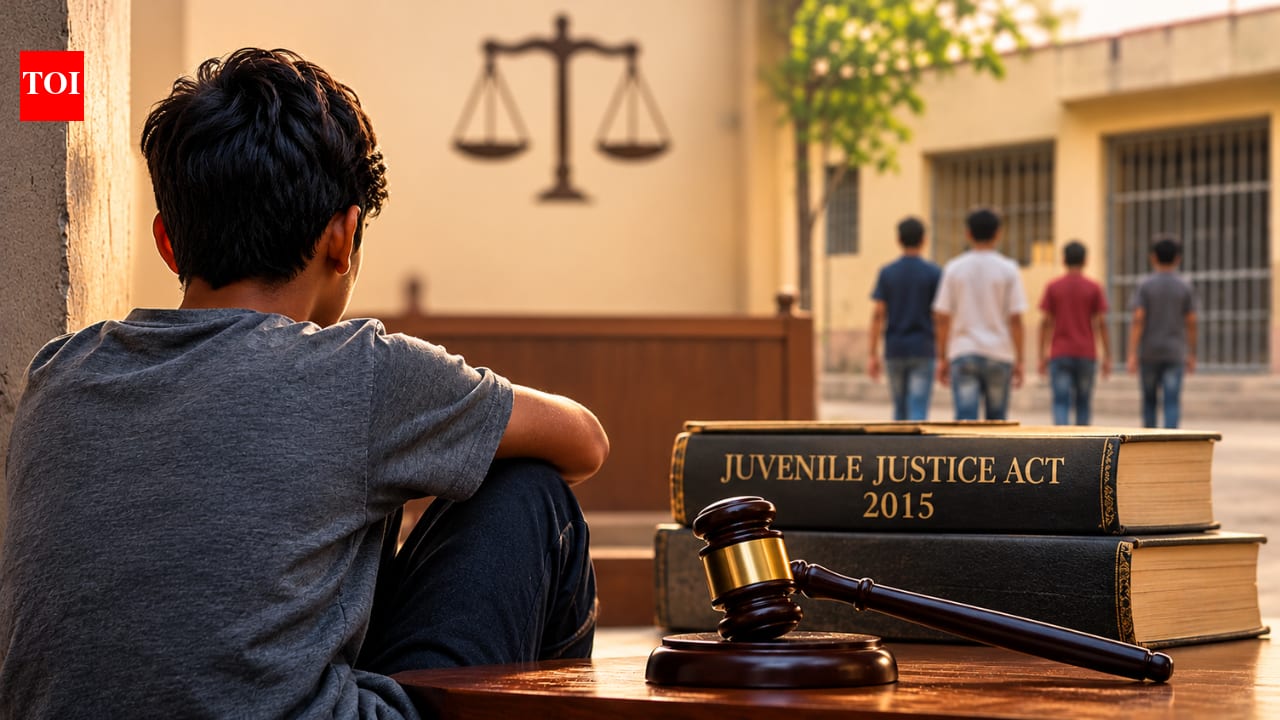
Ten years after the Juvenile Justice Act of 2015, India faces a critical debate over its dual focus on rehabilitation and adult-style trials for heinous crimes. Ongoing systemic failures, including staff shortages and inadequate educational support, continue to undermine the law's primary goal of child reform.
A Decade of Reform: Evaluating the Juvenile Justice Act (2015)
India’s Juvenile Justice (Care and Protection of Children) Act, 2015, represents a landmark shift in the country's legislative approach to children in conflict with the law. By prioritizing rehabilitation over punitive measures, the Act seeks to provide a pathway for young offenders to reintegrate into society. However, a decade after its implementation, the efficacy of this framework is under intense scrutiny, particularly regarding the balance between protecting minors and addressing public demand for accountability in cases of heinous crimes.
The Dilemma of Adult Trials for Minors
A defining feature of the 2015 Act is the provision that allows children aged 16–18, if accused of heinous offenses, to be tried as adults upon judicial assessment. This departure from the traditional juvenile justice philosophy highlights the state's struggle to reconcile the developmental vulnerability of teenagers with the gravity of certain crimes. Critics argue that this provision risks eroding the protective shield of the juvenile system, potentially pushing more children into the adult criminal justice pipeline rather than focusing on their potential for behavioral correction.
Institutional Challenges: JJBs and CWCs
The effective functioning of the system relies heavily on Juvenile Justice Boards (JJBs) and Child Welfare Committees (CWCs). Unfortunately, these bodies are frequently hampered by significant administrative hurdles, most notably severe staff shortages and prolonged delays in processing cases. When legal interventions are delayed, the core purpose of the Act—timely rehabilitation—is compromised, leaving children in a state of legal limbo that can exacerbate rather than resolve their behavioral challenges.
Reality vs. Intent: The State of Juvenile Homes
While the legislation mandates a supportive environment, the ground reality of juvenile homes often falls short of these ideals. Reports indicate that many institutional care settings lack the resources to provide adequate education, psychological support, and vocational training. Without these essential pillars, the facilities meant to serve as rehabilitation centers risk becoming environments where children are merely detained rather than reformed, failing to address the root causes of their involvement in criminal activities.
The Path Forward: Structural and Systemic Reforms
To move forward, the Indian justice system must address the systemic deficiencies that hinder the implementation of the 2015 Act. Bridging the gap between the law's humanitarian intent and its practical application requires increased funding, specialized training for staff, and a more robust oversight mechanism for juvenile institutions. Only by ensuring that these homes provide genuine opportunities for education and social reintegration can the state fulfill its obligation to protect children while maintaining public safety.
Conclusion
Ten years of the Juvenile Justice Act have revealed both the potential and the pitfalls of India’s approach to juvenile delinquency. While the Act remains a progressive piece of legislation, its success is tethered to the quality of its implementation. Without addressing the critical shortages in staffing and the lack of comprehensive support services, the system risks failing the very demographic it was designed to protect, necessitating a renewed commitment to institutional reform.