One child dead, 269 treated for burn injuries in T.N. during Deepavali
Source Entity
India Latest News: Top National Headlines Today & Breaking News | The Hindu
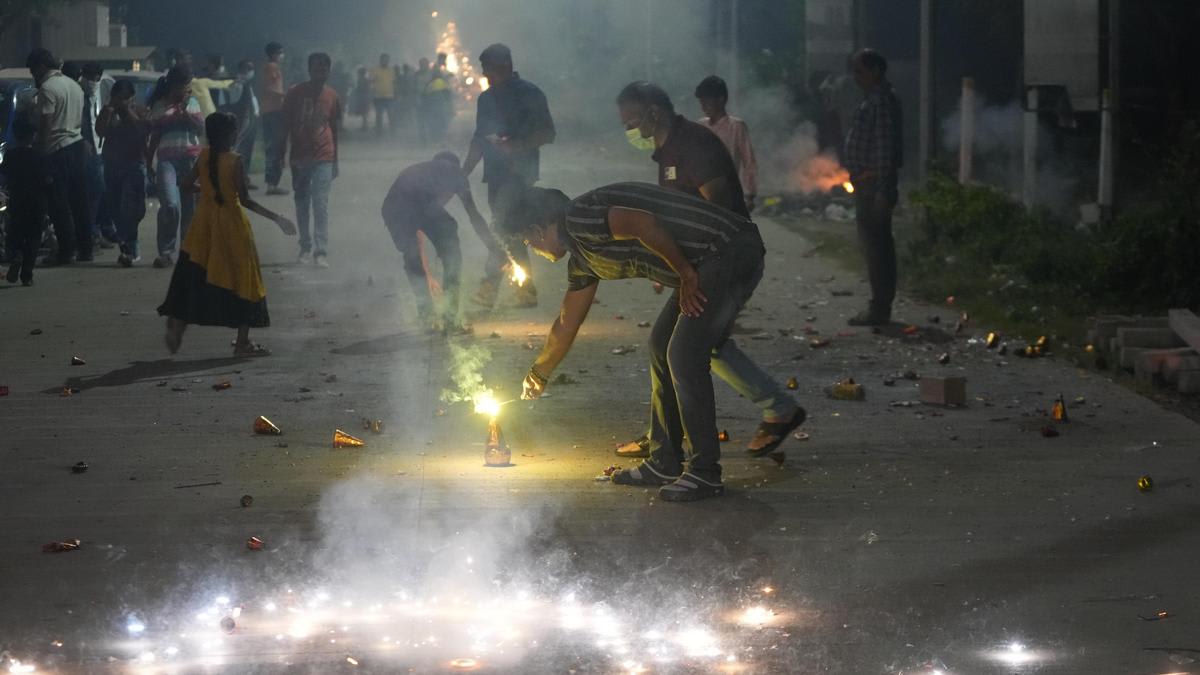
Tamil Nadu reported one child fatality and 269 burn injuries due to firecracker incidents during the recent Deepavali festivities. State health authorities mobilized over 1,200 ambulances to manage the high volume of emergency distress calls.
Deepavali Emergency Response in Tamil Nadu
The recent Deepavali celebrations in Tamil Nadu were marked by a significant emergency health response, as official data revealed one child fatality and 269 individuals requiring medical attention for firecracker-related burn injuries. The 24-hour period spanning from 7 a.m. on November 7 to 7 a.m. on November 8 saw a surge in distress calls, highlighting the inherent risks associated with traditional firecracker usage during the festival of lights.
Scale of the Emergency Operations
To combat the potential for widespread injury, the state government deployed 1,283 ambulances on active duty. The efficacy of the 108 emergency ambulance network was put to a rigorous test, as the system processed 16,079 calls within the designated 24-hour window. This high volume of traffic underscores the massive logistical preparation required to maintain public safety during major cultural observances where the use of pyrotechnics is prevalent.
Analyzing the Injury Statistics
Beyond the specific burn injuries, the emergency data provides a broader view of festive-related hazards. Of the total distress calls, 2,475 were attributed to accidents and 396 to minor injuries. The clinical data from government hospitals further illustrates the burden on the state's healthcare infrastructure, with 1,387 total inpatient admissions recorded. These admissions were categorized into 956 accident cases, 321 cases of minor injuries or assaults, and 110 cases specifically involving burns.
Healthcare Infrastructure and Public Safety
The disparity between the 98 burn injury calls and the 110 burn-related hospital admissions suggests that many individuals sought medical care through private transport or alternative methods, indicating that the total impact of the festivities on public health may be even higher than the initial emergency call logs suggest. This data serves as a critical metric for health officials to refine future safety protocols and public awareness campaigns regarding the handling of fireworks.
Future Trends and Preventive Measures
The tragic loss of a child’s life emphasizes the persistent dangers of firecracker use despite ongoing efforts to promote safer celebrations. Moving forward, the state’s reliance on a robust 108 ambulance network proves that while emergency response is efficient, the focus must shift toward preventive public health strategies. Future festive policies will likely continue to balance cultural traditions with stricter enforcement of safety guidelines to minimize the strain on emergency services and prevent avoidable casualties.
Verification Required?