In 2016, days after Uri attack, India crossed LoC to destroy terror launch pads in Pakistan: What happened that night
Source Entity
Latest News: Todays Latest News Headlines from India & World | Hindustan Times | Hindustan Times
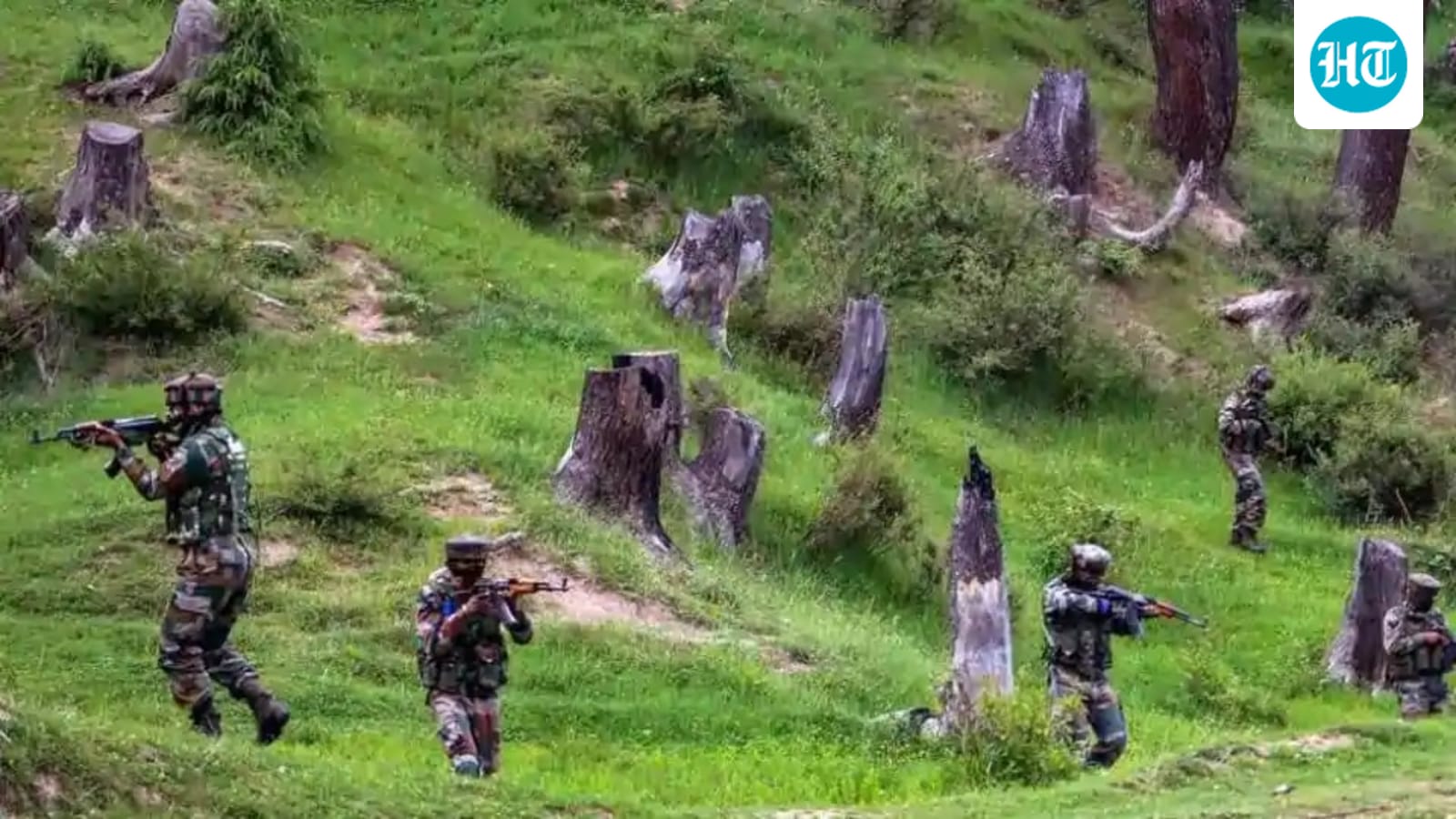
India is marking a decade since the 2016 surgical strikes, a pivotal shift in its counter-terrorism doctrine following the Uri attack. The operation signaled a move from strategic restraint to proactive cross-border retaliation, establishing a precedent for future actions like the Balakot airstrike.
A Decade of Strategic Shift: Analyzing the 2016 Surgical Strikes
September 2024 marks the tenth anniversary of the 2016 surgical strikes, a watershed moment in India's national security history. Following the tragic terror attack on the Uri army base on September 18, 2016, which resulted in the deaths of 19 soldiers, the Indian government moved away from its long-standing policy of strategic restraint. The subsequent operation, conducted on the night of September 28-29, saw Indian forces crossing the Line of Control (LoC) to neutralize terrorist launch pads in Pakistan-occupied Kashmir.
The Anatomy of the Decision
The decision to retaliate was not impulsive but the result of a deliberate, ten-day planning process. Following the Pathankot air base attack and the incident at the EDI building earlier in 2016, the government felt compelled to alter its response mechanism. Under the leadership of Prime Minister Narendra Modi, then-Defence Minister the late Manohar Parrikar, and National Security Adviser Ajit Doval, the military was given the mandate to "take the fight to the enemy." Lt Gen Satish Dua (retd) noted that the operation was executed with surgical precision, resulting in heavy damage to terrorist infrastructure with zero casualties on the Indian side.
Breaking the Paradigm of Restraint
The public announcement of the strikes by the then-Director General of Military Operations (DGMO), Lt Gen Ranbir Singh, was a calculated move to communicate India’s resolve to both domestic and international audiences. By confirming that the strikes were based on "specific and credible inputs," the state signaled that it would no longer remain passive in the face of cross-border terrorism. This transparency served to define a new "new normal" in India-Pakistan security dynamics, moving the needle from diplomatic protests to tangible military demonstration.
Long-term Doctrinal Implications
The 2016 operation served as the foundational blueprint for subsequent military engagements. It paved the way for the 2019 Balakot airstrikes and other tactical operations such as Operation Sindoor. These missions collectively indicate that the Indian state has successfully operationalized a doctrine of proactive defense, where the security apparatus is empowered to preemptively strike terrorist launch pads to protect the nation’s territorial integrity.
Conclusion: A Legacy of Resolve
Reflecting on the last decade, the surgical strikes remain a defining feature of India’s contemporary counter-terrorism strategy. While the 2016 operation was a response to a specific provocation at Uri, its impact has been systemic. It forced a reassessment of risks for state and non-state actors operating near the LoC and solidified the political will to utilize military force as a valid, measured tool of national policy when diplomacy and restraint fail to deter aggression.
Multiple Citing Sources
Verification Required?