Trump’s municipal bond portfolio reaches as much as $1 billion as policy overlaps mount
Source Entity
US Top News and Analysis
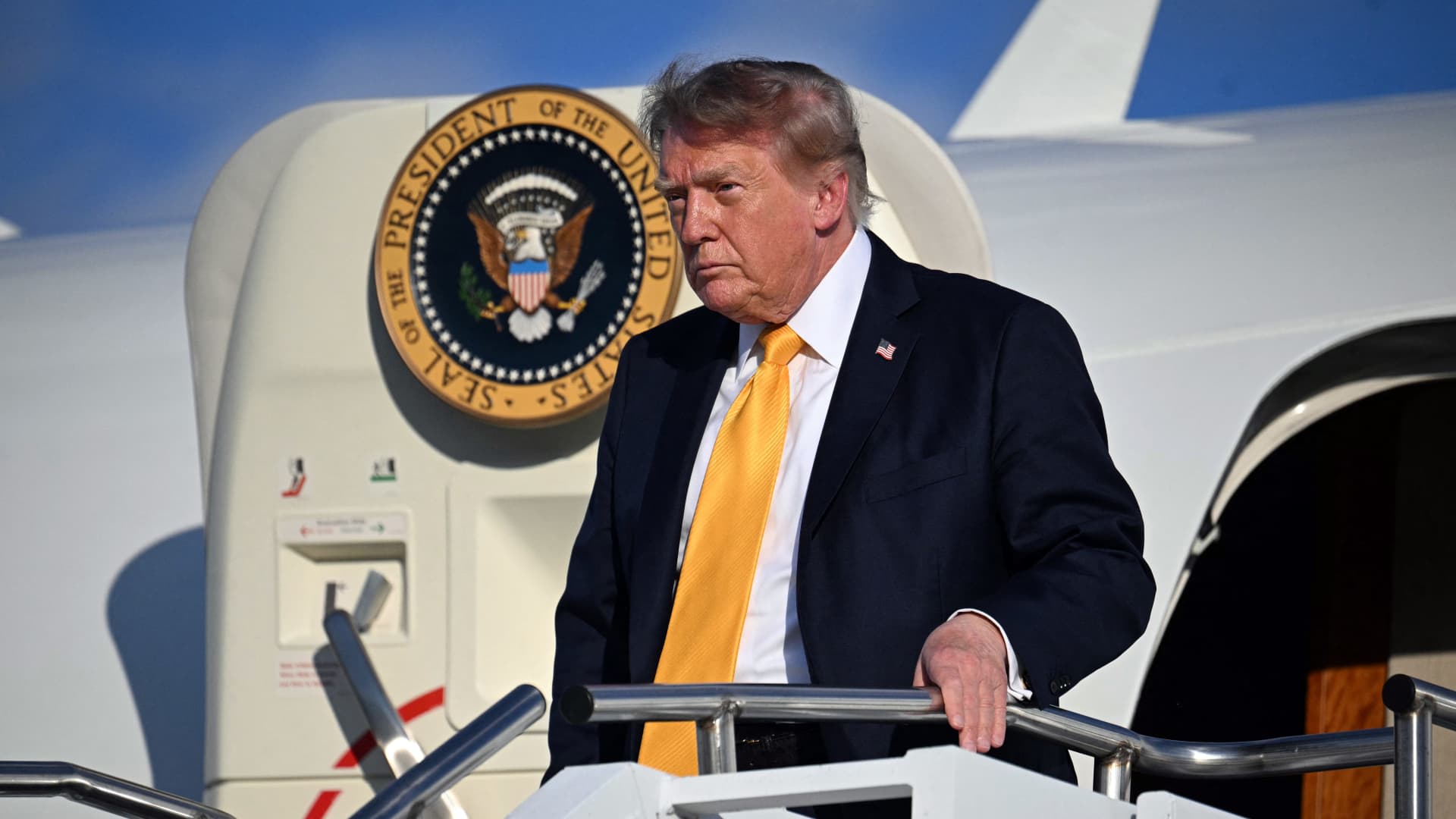
President Donald Trump has significantly expanded his municipal bond portfolio to as much as $1 billion, creating potential conflicts of interest. These investments involve debt from public institutions directly influenced by his federal policy decisions.
The Intersection of Executive Policy and Personal Finance
President Donald Trump’s recent financial disclosures reveal a sprawling portfolio of municipal bonds now valued between $300 million and $1 billion. This accumulation of debt instruments—ranging from hospitals and schools to public utilities—places the President in the unique position of being a significant creditor to the very institutions his administration regulates and funds. The sheer scale of these holdings, which grew substantially through 2025 and 2026, signals a complex overlap between private wealth management and public policy.
The Mechanics of Municipal Bond Exposure
As of the end of 2025, the President held over 800 distinct municipal bond positions, a figure that continued to climb throughout 2026 with at least 243 additional purchases. Municipal bonds are typically viewed as stable, tax-advantaged investments, yet when held by a sitting head of state, they introduce a layer of systemic risk. Because these bonds represent debt issued by local entities, the financial health of these issuers is often tied to federal grants, infrastructure spending, and regulatory frameworks—all of which are subject to Executive Branch oversight.
Policy Overlaps and Institutional Impact
The core concern regarding this portfolio is the direct correlation between federal policy and the solvency or performance of the bond issuers. When the administration makes decisions regarding healthcare funding, educational grants, or utility infrastructure, it is effectively adjusting the financial landscape for the entities to which the President is a creditor. This creates a scenario where policy shifts—intended for the public good—could inadvertently or intentionally alter the valuation or risk profile of the President's private investment holdings.
Historical Context and Governance Challenges
Throughout American history, presidents have typically placed assets into blind trusts to avoid the appearance of impropriety. The decision to maintain and aggressively grow a portfolio of municipal debt while in office marks a departure from these traditional norms. By holding debt across a diverse range of local institutions, the President has created a web of financial interest that makes it difficult to disentangle personal financial gain from the impartial application of executive authority.
Future Trends and Transparency Requirements
The continued expansion of these holdings, as evidenced by the 48 new purchases disclosed in September 2026, suggests that the President views municipal bonds as a primary vehicle for his portfolio. Moving forward, the transparency of these disclosures will remain a focal point for ethics watchdogs and political analysts. As the administration continues to shape federal policy, the public will likely demand more granular details regarding how these investments are managed and whether firewalls exist to prevent conflicts of interest between the President’s role as a creditor and his role as the nation's chief executive.