111 MPs, MLAs changed parties after winning elections since 2022: ADR
Source Entity
AADRITA HALDER
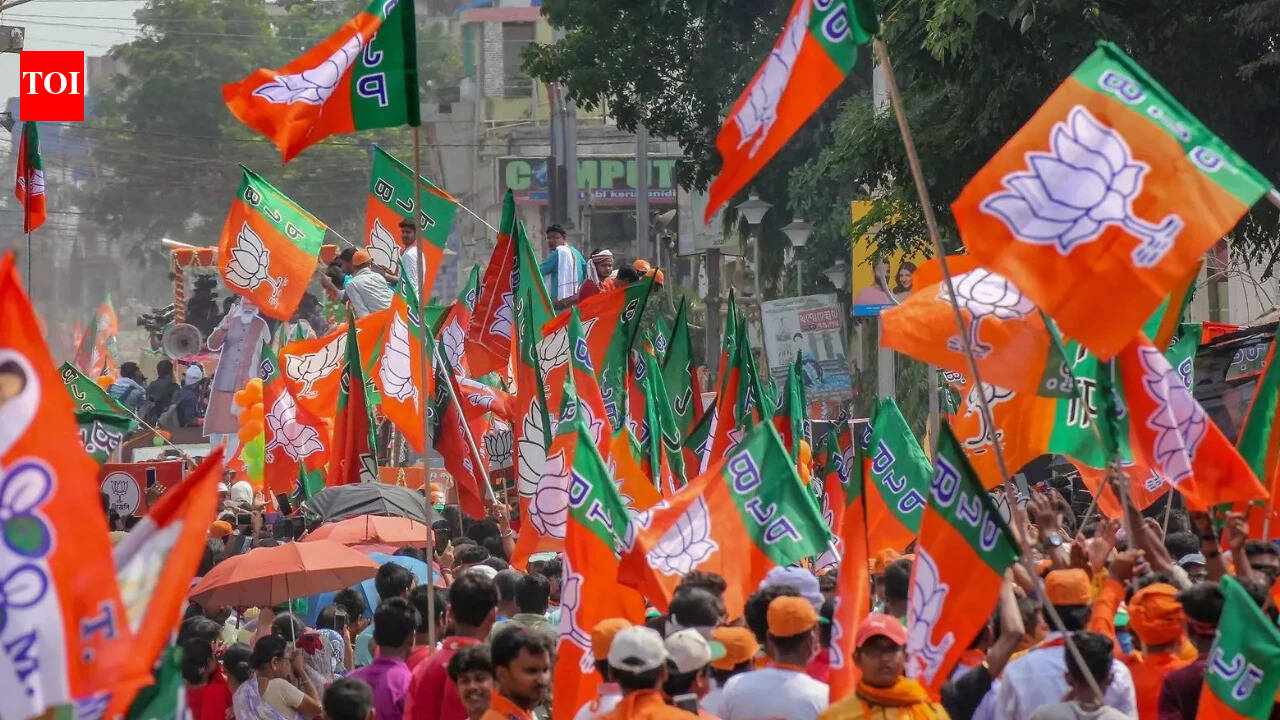
An ADR analysis reveals that 111 sitting MPs and MLAs switched parties between 2022 and 2026. This trend of political defection, led by shifts toward the NPF and BJP, raises significant concerns regarding electoral integrity.
The Rising Trend of Political Defection in India
A recent analysis conducted by the Association for Democratic Reforms (ADR) has shed light on a concerning trend within the Indian political landscape: the frequent shifting of party allegiances by elected representatives. According to the report, at least 111 sitting Members of Parliament (MPs) and Members of Legislative Assembly (MLAs) changed their political parties after being elected between 2022 and 2026. This data underscores a volatile period in representative governance where the mandate given by the electorate is often decoupled from the eventual party affiliation of the representative.
Patterns of Party Shifts
The ADR findings highlight a complex web of political movement, noting that the Naga People’s Front (NPF) emerged as the primary recipient of lawmakers, followed closely by the Bharatiya Janata Party (BJP), which welcomed 29 defectors into its fold. The analysis clarifies that these transitions were not always isolated, individual actions; some instances involved larger group shifts. This suggests a strategic realignment of political power rather than merely personal dissatisfaction or ideological reconsiderations by individual representatives.
Regional Hotspots of Volatility
Geographically, the data identifies Nagaland and West Bengal as the regions accounting for the most significant share of these defection cases. The prevalence of party switching in these states suggests that local political dynamics and regional party competition are key drivers of this instability. Furthermore, the report identifies the Nationalist Democratic Progressive Party (NDPP), the All India Trinamool Congress (AITC), and the Indian National Congress as the organizations that recorded the highest number of exits, reflecting a period of intense organizational churn for these entities.
The Erosion of Voter Mandate
When elected officials change parties mid-term, it fundamentally alters the nature of the democratic contract. Voters cast ballots based on a party's manifesto, ideology, and leadership. When a representative defects, the original platform upon which they were elected is effectively discarded. The ADR report serves as a diagnostic tool for understanding how these shifts impact the legislative process and the stability of state and central governments, potentially leading to governance disruptions.
Methodological Limitations and Future Implications
It is crucial to note that the ADR has cautioned that this list may not be exhaustive, meaning the actual number of defections could be higher. This indicates that the phenomenon of 'party-hopping' is likely an under-reported systemic issue. Moving forward, this trend poses a significant challenge for electoral reform. As political parties continue to aggressively recruit from opposing camps to secure majorities or consolidate power, the focus must shift toward strengthening anti-defection frameworks to ensure that the electoral mandate remains protected and respected throughout a full term in office.