14 Killed In Landslide At Illegal Gold Mine In Colombia
Source Entity
NDTV News Search Records Found 1000
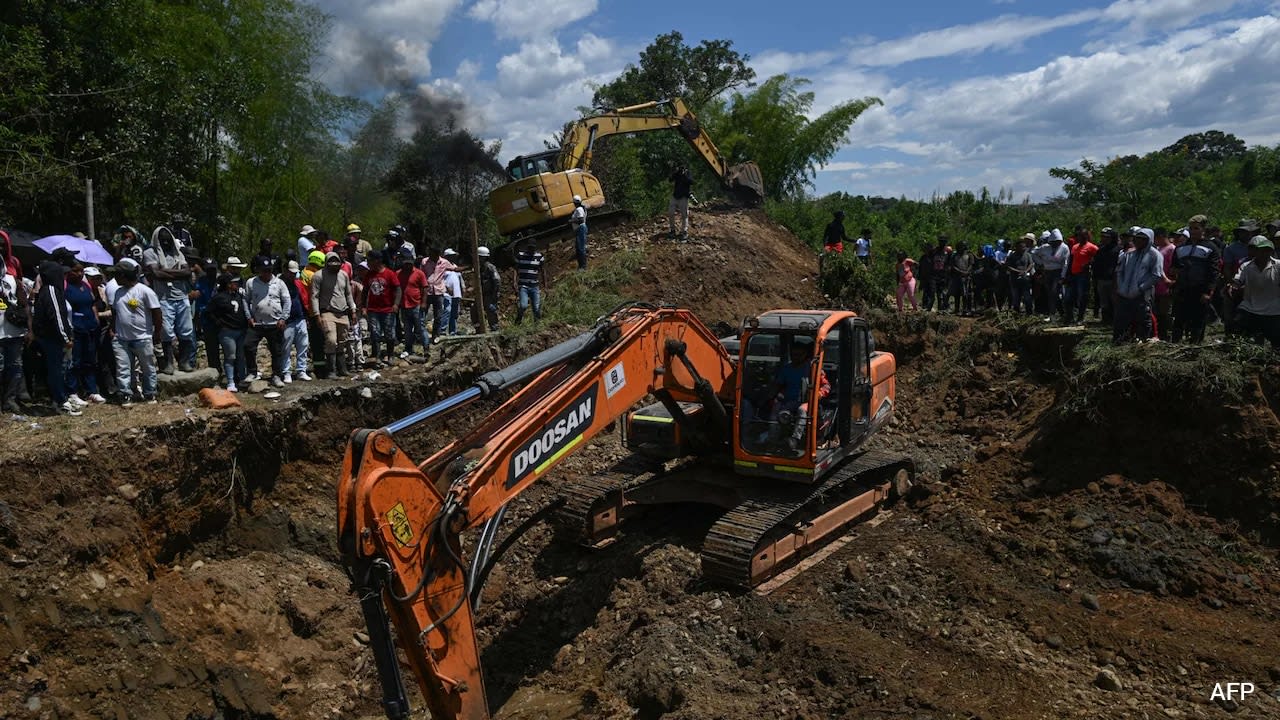
A tragic landslide at an illegal gold mine in Colombia's Nariño province has resulted in 14 deaths and 7 injuries. Local officials are now calling for urgent government intervention to formalize small-scale mining operations and enforce safety standards.
Tragedy in Nariño: The Human Cost of Unregulated Mining
A devastating landslide at an illegal gold mine in the rural Chambero sector of Santa Barbara de Iscuande, Nariño, has claimed the lives of 14 people and left 7 others injured. This tragedy underscores the persistent dangers inherent in Colombia's informal mining sector, where workers operate in hazardous conditions far removed from the oversight of national safety agencies. The conclusion of search and rescue operations marks a somber end to a disaster that highlights the vulnerability of local communities relying on illicit mining for their livelihoods.
The Anatomy of a Recurring Crisis
Mine accidents in Colombia are unfortunately frequent, particularly at unregulated sites. These operations often lack the basic structural support, ventilation, and emergency protocols required for safe extraction. Without formal engineering assessments or geological surveys, these mines are prone to sudden collapses triggered by environmental factors or unstable excavation methods. The incident in Nariño serves as a stark reminder that the lack of regulation is not merely a legal issue, but a humanitarian one.
The Call for Formalization
Following the collapse, Nariño Governor Luis Alfonso Escobar issued an urgent appeal to the national government, the National Mining Agency, and the Ministry of Mines and Energy. The governor’s plea centers on the need to accelerate the formalization of small-scale mining operations. By bringing these sites under a legal framework, the state could mandate essential safety infrastructure, provide technical training, and ensure that labor conditions meet minimum human rights standards.
Economic Drivers and Structural Challenges
The persistence of illegal mining is deeply rooted in the socio-economic reality of remote Colombian provinces. For many in regions like Nariño, unregulated gold extraction provides a primary, albeit dangerous, source of income. When economic alternatives are scarce, workers are often forced into risky environments where the promise of mineral wealth outweighs the immediate dangers of the work. Addressing this will require more than just enforcement; it necessitates a comprehensive economic strategy that offers viable alternatives to those currently trapped in the informal mining cycle.
Future Outlook and Policy Implications
Moving forward, the pressure on the Colombian government to reform the mining sector will likely intensify. The disaster in Santa Barbara de Iscuande forces a confrontation between the necessity of economic development and the state's responsibility to protect its citizens. Future trends suggest that if formalization efforts remain sluggish, the country will continue to witness similar tragedies. Sustainable change will require a multi-faceted approach involving stricter oversight, increased investment in regional development, and a concerted effort to integrate small-scale miners into the legal economy.
Conclusion
In summary, the loss of 14 lives in the Chambero sector is a tragic consequence of systemic neglect in the unregulated mining industry. While local authorities have taken the necessary steps to conclude rescue efforts, the broader challenge remains: transitioning informal operations into safe, regulated, and sustainable enterprises. Until such systemic shifts are implemented, the risk of future collapses will continue to loom over mining-dependent communities in Colombia.
Verification Required?