17-year-old gangraped inside moving bus: Driver, conductor hired without police verification, say police
Source Entity
The Indian Express
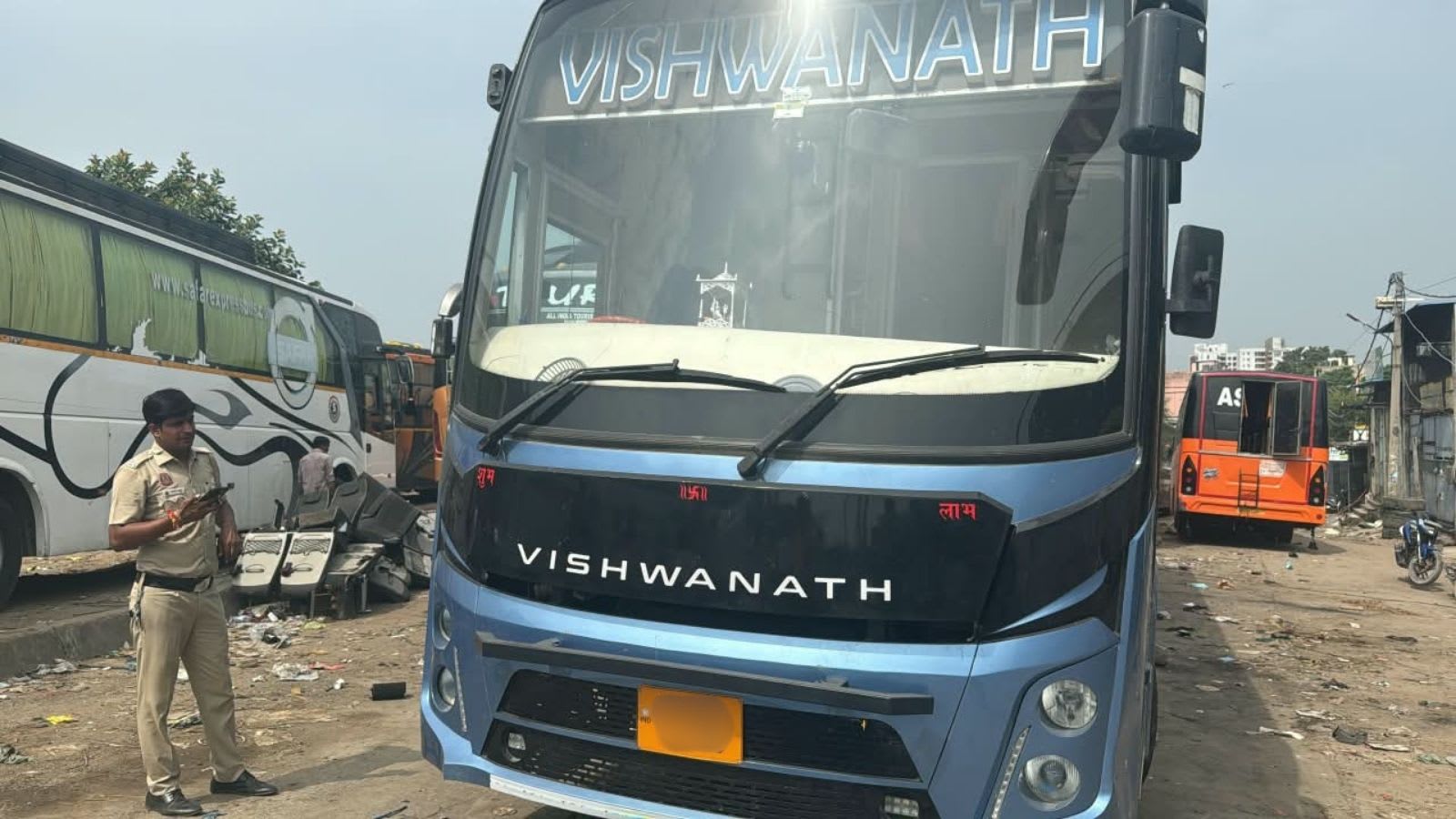
A 17-year-old girl was gang-raped inside a moving private bus, revealing that the accused staff had been hired without mandatory police verification. Authorities are now investigating the bus operator's hiring practices and questioning local vendors to gather further evidence.
Systemic Safety Failures in Public Transport
The recent incident involving the gang-rape of a 17-year-old girl inside a moving private bus has ignited a critical conversation regarding the safety protocols governing public transport. The revelation that the accused driver and conductor were hired without any police verification highlights a glaring oversight in the operational standards of private bus services. This administrative failure is not merely an isolated lapse but a systemic issue that compromises the safety of vulnerable commuters daily.
The Negligence of Unverified Hiring
According to reports, the lack of background checks was not limited to the two suspects; it was a pervasive practice within the entire fleet of at least a dozen buses operated by the company. By failing to perform mandatory police verification, the operator bypassed essential security safeguards designed to screen personnel for criminal backgrounds. This negligence created an environment where individuals with potential criminal intent could be placed in positions of authority over unsuspecting passengers.
Broadening the Scope of the Investigation
In response to this heinous crime, law enforcement agencies have initiated a comprehensive investigation into the bus operator’s hiring procedures. Police sources indicate that they are scrutinizing the company’s management to understand how such a blatant disregard for safety regulations was allowed to persist. The focus is now on establishing accountability and ensuring that the operators face the legal consequences of their administrative failures.
Third-Party Insights and Evidence Collection
An interesting facet of the ongoing investigation is the police's decision to interview individuals who regularly interacted with the buses. By planning to question representatives from a paint shop in Kashmere Gate and a repair shop in Greater Noida, investigators are attempting to reconstruct the behavioral patterns of the accused. These external stakeholders may provide crucial witness testimony regarding the conduct of the staff and the internal atmosphere of the vehicles leading up to the incident.
Future Implications for Transport Safety
This tragedy serves as a grim reminder of the urgent need for stricter enforcement of existing safety laws. The future of public transport safety in the region will likely depend on the implementation of rigorous, digitized verification systems for all transport staff. Without a standardized, strictly monitored hiring process, private bus operators may continue to prioritize profit margins over the fundamental safety of the citizens they serve.
Conclusion
The gang-rape incident is a stark indictment of the current regulatory environment. As the investigation progresses, the focus must remain on ensuring justice for the survivor and instituting permanent, non-negotiable safety standards for all private transport services. Authorities must ensure that this case serves as a catalyst for a broader overhaul of how transport workers are vetted and monitored across the country.