Shots heard around the world : 200 years since the first-ever photograph
Source Entity
Latest News: Todays Latest News Headlines from India & World | Hindustan Times | Hindustan Times
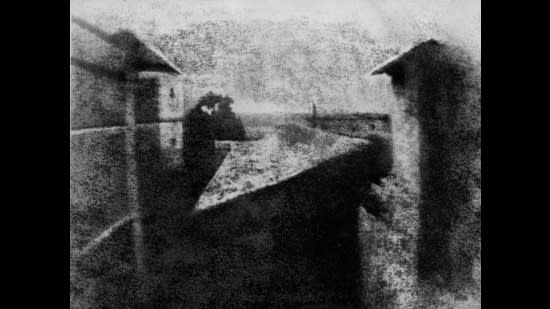
This year marks the bicentennial of Joseph Nicéphore Niépce’s first photograph, a scientific breakthrough that fundamentally altered human perception. The evolution of photography from a long-exposure chemical process to a ubiquitous cultural force has reshaped travel, law, and societal memory.
The Bicentennial of the Captured Moment
Two hundred years ago, the trajectory of human history was permanently altered by a scientific endeavor that would eventually define our modern visual culture. In 1826, French inventor Nicéphore Niépce successfully captured the world’s first photograph, a feat that transformed light into a permanent, chemical record. What began as a rudimentary experiment in material science has since evolved into the primary medium through which humanity documents its existence, politics, and daily life.
From Scientific Miracle to Cultural Disruptor
Niépce’s initial process was a labor-intensive endeavor, requiring hours of exposure to light to etch an image onto a sensitized plate. Because of this duration, early photography was limited to static landscapes and inanimate objects, as any movement would vanish into a blur. This technical constraint highlights the fascinating origins of the camera: it was not initially a tool of mass communication, but a profound observation of how the physical world interacts with chemical reactions and electromagnetic radiation.
The Sontag Perspective on Experience
As the technology matured, the cultural impact of photography became deeply ingrained in the human psyche. The essayist Susan Sontag famously noted in 1977 that photography acts as a method of 'certifying experience.' By turning lived moments into souvenirs, the act of taking a photograph often replaces the experience itself. This paradox—where we prioritize the capture of an image over the immersion in the event—is a direct result of the camera’s transition from a scientific curiosity to a constant, handheld companion.
Impact on Societal Structures
Beyond the personal, the photograph has served as a potent catalyst for systemic change. Throughout the 19th and 20th centuries, the ability to document reality with visual precision has been instrumental in shaping public policy and social discourse. From providing undeniable evidence that helped pass critical laws to forcing societies to confront the grim realities of war through visual testimony, the photograph has acted as a witness that cannot be easily dismissed.
Trends and Future Outlook
Looking forward, the role of the photograph continues to shift as we move deeper into the digital age. While Niépce’s original process was grounded in the tangible reality of light and chemistry, modern photography is increasingly algorithmic and virtual. However, the core function remains the same: the desire to freeze time. As we celebrate this bicentennial, it is clear that photography will continue to evolve, yet it will always remain a 'picture drawn by light'—a fundamental attempt to understand and preserve the human story against the relentless passage of time.
Verification Required?