Fractured ceramics to recycled tech: How 2026 Asian Games medals were made
Source Entity
Latest News: Todays Latest News Headlines from India & World | Hindustan Times | Hindustan Times
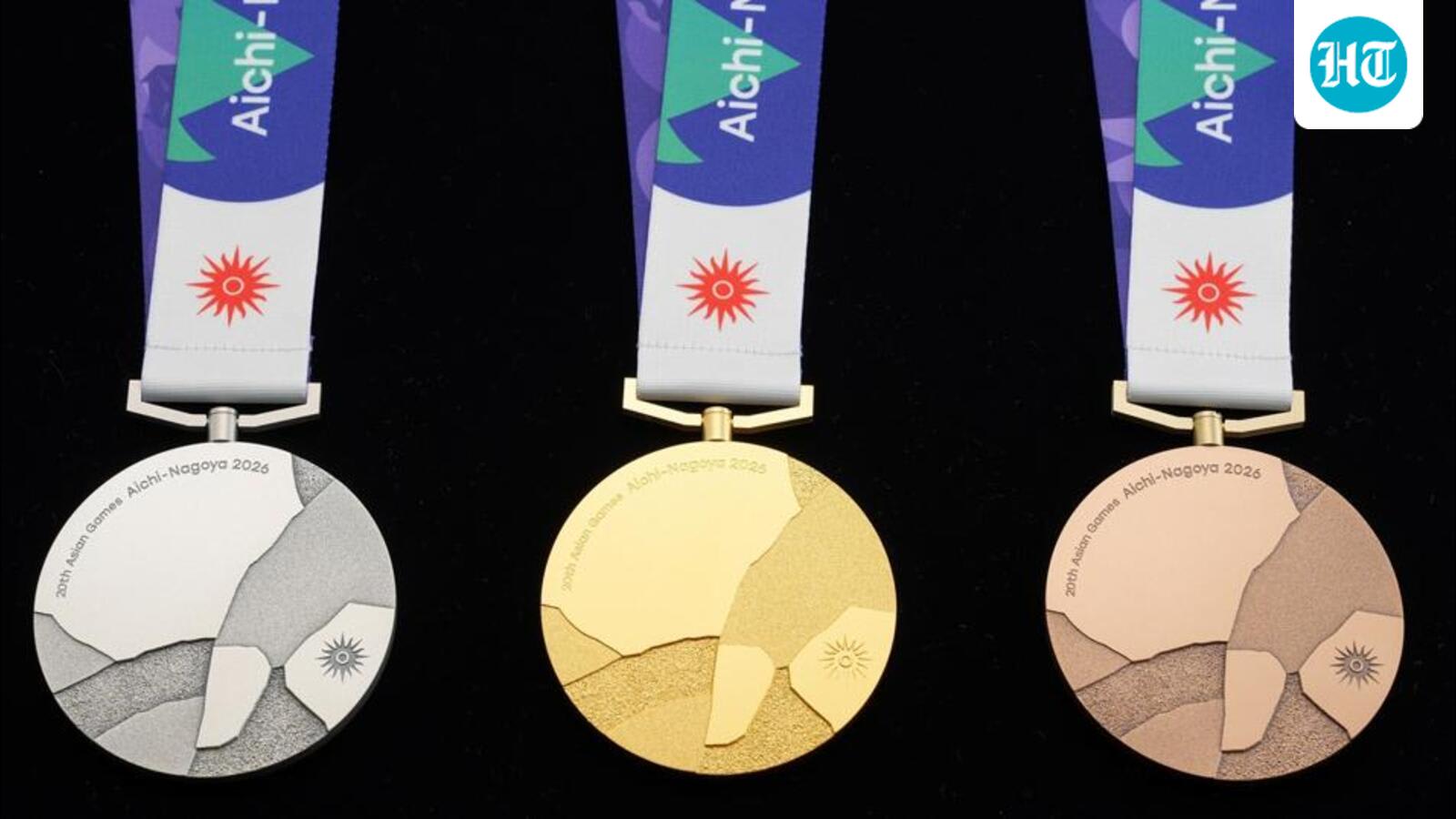
The 2026 Asian Games medals, designed by Daisuke Shiba, emphasize sustainability by incorporating materials from recycled electronics. These unique awards symbolize the grueling, often invisible, journey of athletes through a design inspired by shattered ceramics.
The Artistic Evolution of the 2026 Asian Games Medals
As the 20th Asian Games approach in Aichi-Nagoya, the focus extends beyond the athletic competition to the symbolic hardware that will be draped around the necks of champions. Designed by Daisuke Shiba, the medals for these Games represent a departure from traditional, purely metallic aesthetics, instead opting for a narrative-driven approach that honors the long-term dedication of athletes who have spent years training for this singular moment.
Sustainability Through Innovation
At the heart of the manufacturing process is a commitment to environmental responsibility. By utilizing materials sourced from recycled electronics, the organizers are making a powerful statement about the intersection of modern technology and resource management. This initiative aligns with global efforts to reduce electronic waste, proving that high-stakes international sporting events can serve as platforms for promoting circular economy practices.
The Philosophy of Fractured Beauty
Designer Daisuke Shiba’s creative process was rooted in a unique conceptual experiment: the shattering of ceramic discs. By observing the fractured pieces as they settled, Shiba aimed to capture the essence of an athlete's journey—a path often defined by moments of breakdown, intense pressure, and subsequent reformation. This design choice elevates the medal from a mere trophy to a physical representation of the resilience required to reach the podium.
Honoring the Invisible Journey
While the public sees the glory of the podium, Shiba’s design seeks to highlight the "invisible journey" of the athlete. The grueling training sessions, the early mornings, and the psychological strain of a four-year cycle are synthesized into the medal’s form. The design serves as a permanent reminder that the brilliance of a gold medal is merely the final stage of a much longer, more complex process of self-improvement.
Aichi-Nagoya’s Legacy
By hosting the 2026 Asian Games, Aichi-Nagoya is set to leave a lasting legacy that balances tradition with modern ecological awareness. The medals are not just awards; they are artifacts of a specific time and place, reflecting the values of a host region that prioritizes both artistic innovation and sustainable development. As athletes compete, these medals will stand as the ultimate material manifestation of their commitment to their sport and their craft.
Verification Required?