Note on caste census meeting rewritten after Social Justice Ministry pushback
Source Entity
Shyamlal Yadav
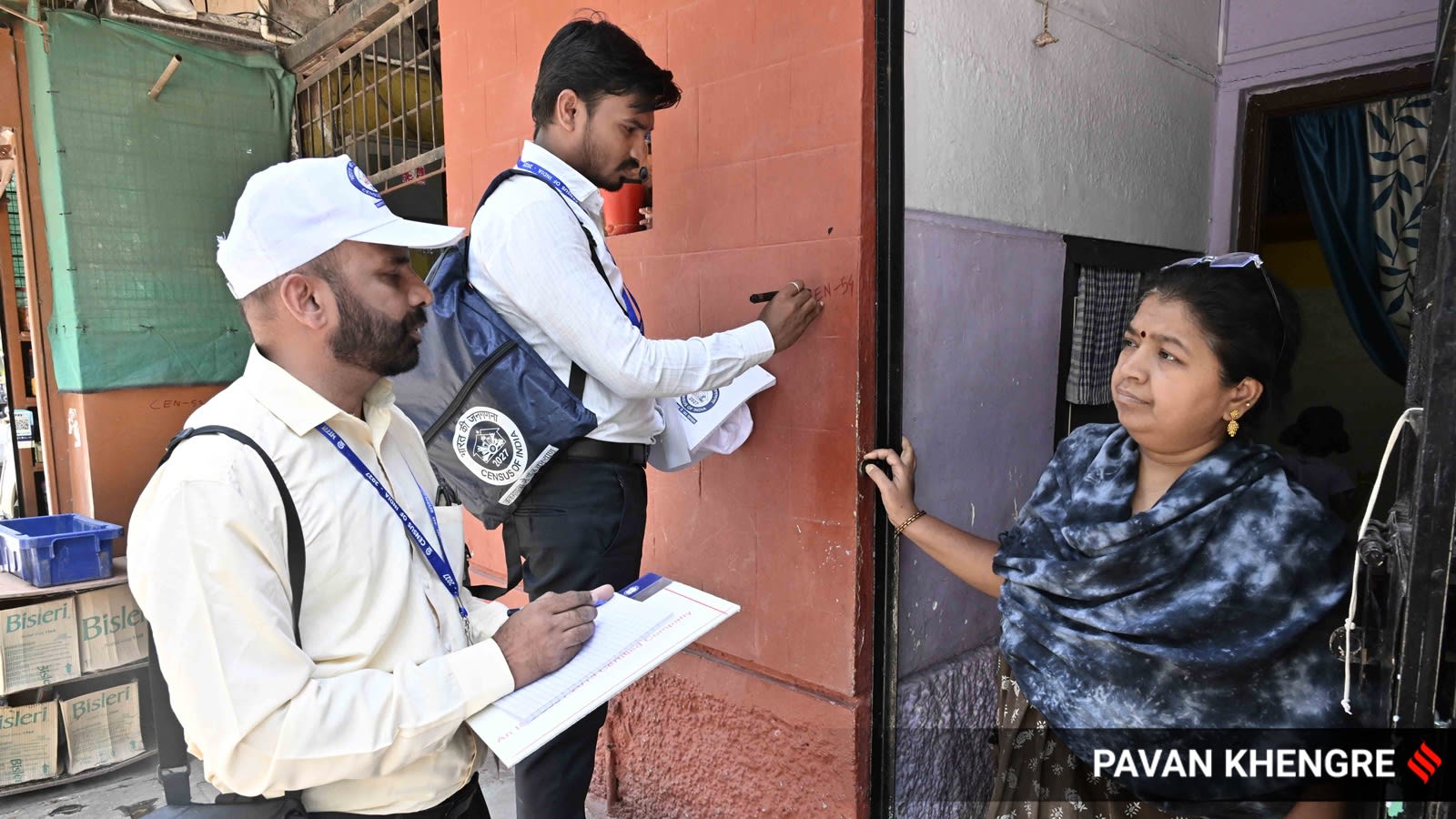
The Indian government's decision to use an open-ended format for caste enumeration in the 2027 Census has sparked political controversy. Opposition leaders argue this approach undermines data accuracy, while internal friction between government ministries complicates the implementation process.
The 2027 Census and the Caste Enumeration Controversy
The upcoming 2027 Census has emerged as a significant political flashpoint in India, centering on the methodology of caste enumeration. The government’s decision to utilize an “open-ended question” format rather than a standardized drop-down menu for caste data collection has ignited a fierce debate regarding the transparency and efficacy of the exercise. This technical choice is not merely a bureaucratic preference but carries profound implications for the future of social justice policy in the country.
The Opposition’s Stance on Data Integrity
Leaders of the Opposition in both houses of Parliament, Rahul Gandhi and Mallikarjun Kharge, have sharply criticized the government's chosen methodology. Their primary contention is that an open-ended format risks producing inconsistent or unusable data, which would ultimately hinder the government’s ability to implement targeted social justice initiatives. Without a structured drop-down menu, the opposition argues, the resulting data may lack the granular accuracy required to address historical socio-economic disparities effectively.
Bureaucratic Friction and Inter-Ministry Coordination
The complexity of this census exercise is further compounded by internal disagreements within the government apparatus. Reports indicate that the Office of the Registrar General of India (ORGI) and the Ministry of Social Justice and Empowerment (MoSJE) have not always been aligned. This lack of cohesion highlights the immense logistical and political challenges inherent in conducting a caste-based census, which requires seamless collaboration between administrative bodies tasked with data collection and those responsible for social welfare policy.
The Role of the National Commission for Backward Classes
A critical point of contention involves the utilization of existing databases. Sources reveal that officials from the Ministry of Social Justice expressed willingness to share the list of Other Backward Classes (OBCs), currently maintained by the National Commission for Backward Classes (NCBC), during a key inter-departmental meeting. However, the subsequent rewriting of notes following pushback from within the ministry suggests a deeper, ongoing struggle to define the scope and parameters of how this sensitive data will be integrated into the census framework.
Broader Implications for Social Justice Policy
The debate over the 2027 Census is fundamentally a debate over the architecture of affirmative action in India. For decades, the reliance on outdated or incomplete data has been a hurdle for policymakers. The push for a comprehensive caste count is viewed by proponents as an essential step toward modernizing welfare delivery. Conversely, the government's cautious approach—evidenced by the preference for open-ended questions—reflects the sensitivity surrounding caste politics and the potential for the data to shift the existing political and social equilibrium.
Future Trends and Concluding Thoughts
Looking ahead, the tension surrounding the 2027 Census is likely to intensify as the implementation date approaches. The government faces a balancing act between administrative feasibility and the political pressure to provide detailed, actionable data for marginalized communities. The outcome of these inter-ministerial deliberations and the final structure of the census questionnaire will serve as a bellwether for how the Indian state navigates the intersection of identity politics and governance in the coming years. Ultimately, the accuracy and acceptance of this census will be defined by the transparency of the methodology adopted.