25 US states sue Trump over fresh tariffs on 60 trading partners, including India
Source Entity
ABHISHEK MISHRA
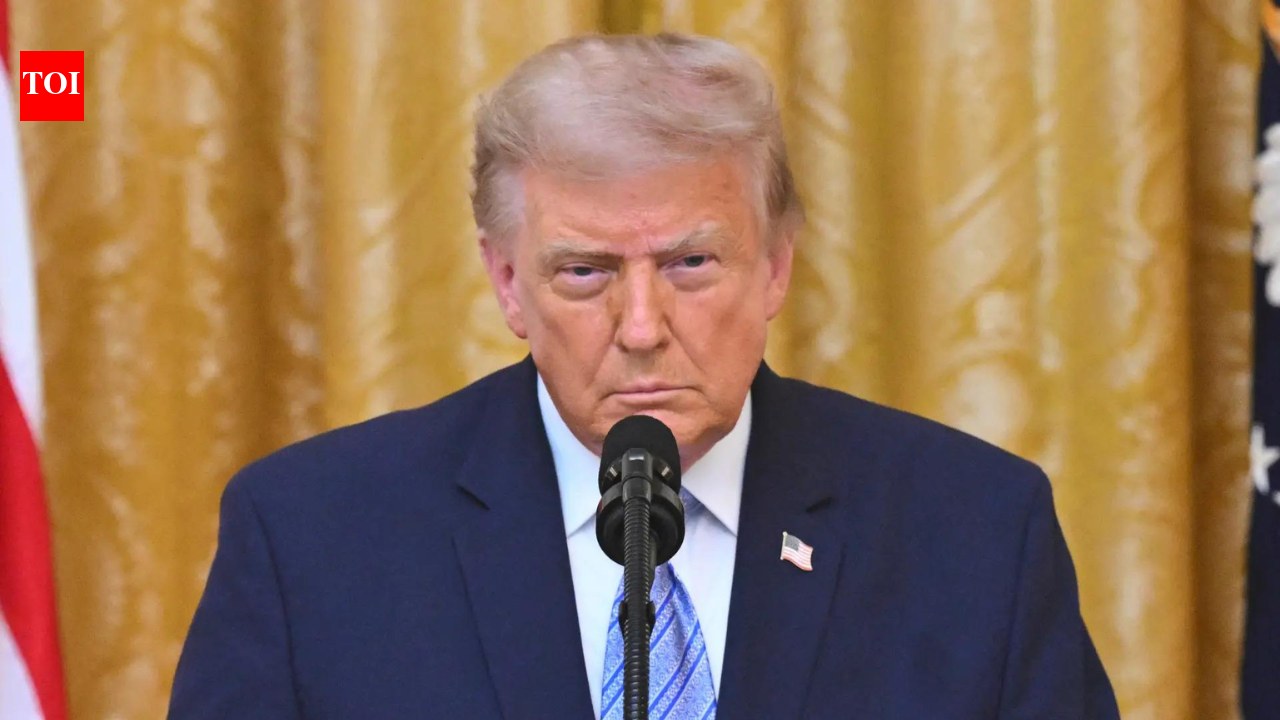
A coalition of 25 Democratic-led US states has filed a lawsuit against the Trump administration to challenge new 10-12.5% tariffs on 60 trading partners. The states argue the levies are an illegal attempt to bypass a prior Supreme Court ruling and seek to have them declared unlawful.
Legal Challenge Against Sweeping Trade Tariffs
A significant constitutional and economic battle is unfolding as a coalition of 25 Democratic-led U.S. states has filed a lawsuit against the Trump administration in the U.S. Court of International Trade. The litigation centers on the administration's recent imposition of tariffs ranging from 10% to 12.5% on imports from 60 global trading partners, including India and the European Union. This move represents a major escalation in the ongoing friction between state-level executive oversight and federal trade policy.
The Core Legal Argument
The central claim of the plaintiff states is that these tariffs are not merely a new policy initiative but an unlawful attempt to circumvent a previous U.S. Supreme Court ruling. In February, the high court struck down earlier import taxes, and the states contend that the current administration is exceeding its executive authority by repackaging those rejected measures. By filing in the Court of International Trade, the states aim to secure an immediate injunction to halt the collection of these duties and mandate refunds for businesses already impacted.
Economic Scope and Impact
The scale of this trade policy is unprecedented, with the affected 60 economies accounting for approximately 99.4% of total U.S. imports. By targeting nearly the entirety of the nation's import volume, the administration has effectively shifted the landscape of international commerce. The states argue that these tariffs function as a de facto tax hike on American families and businesses, potentially disrupting supply chains and increasing costs for essential goods during a period of economic sensitivity.
Administration's Justification vs. State Claims
The Trump administration has defended the tariffs by citing concerns over forced labor, arguing that the affected trading partners have not taken sufficient action to curb such practices. However, the suing states characterize this justification as a pretext for circumventing judicial oversight. The tension lies in whether the executive branch possesses the unilateral authority to impose such sweeping tariffs under the guise of human rights or labor enforcement after prior attempts were invalidated by the judiciary.
Broader Implications for Global Trade
If the court rules in favor of the 25 states, it would serve as a major check on presidential power regarding international trade agreements and tariff implementation. Conversely, a ruling upholding the administration’s authority would grant the executive branch significant latitude to bypass previous judicial setbacks. The outcome of this case will likely set a lasting precedent for how the U.S. government interacts with its global partners and how internal political divisions influence international economic relations.
Future Trends and Judicial Outlook
As the case proceeds, the focus will remain on the specific interpretation of executive trade powers and the legitimacy of the 'forced labor' rationale provided by the administration. With the case now in the hands of the U.S. Court of International Trade, observers expect a protracted legal struggle that could reach the Supreme Court once again. The immediate future will likely be characterized by heightened uncertainty for importers and global trading partners as they wait to see if these duties remain in place or are ultimately declared unlawful.
Multiple Citing Sources