Heavens won’t fall if all 6 Vande stanzas sung in madrassas: Calcutta HC
Source Entity
SRISHTI LAKHOTIA AND SUBRATA CHATTORAJ
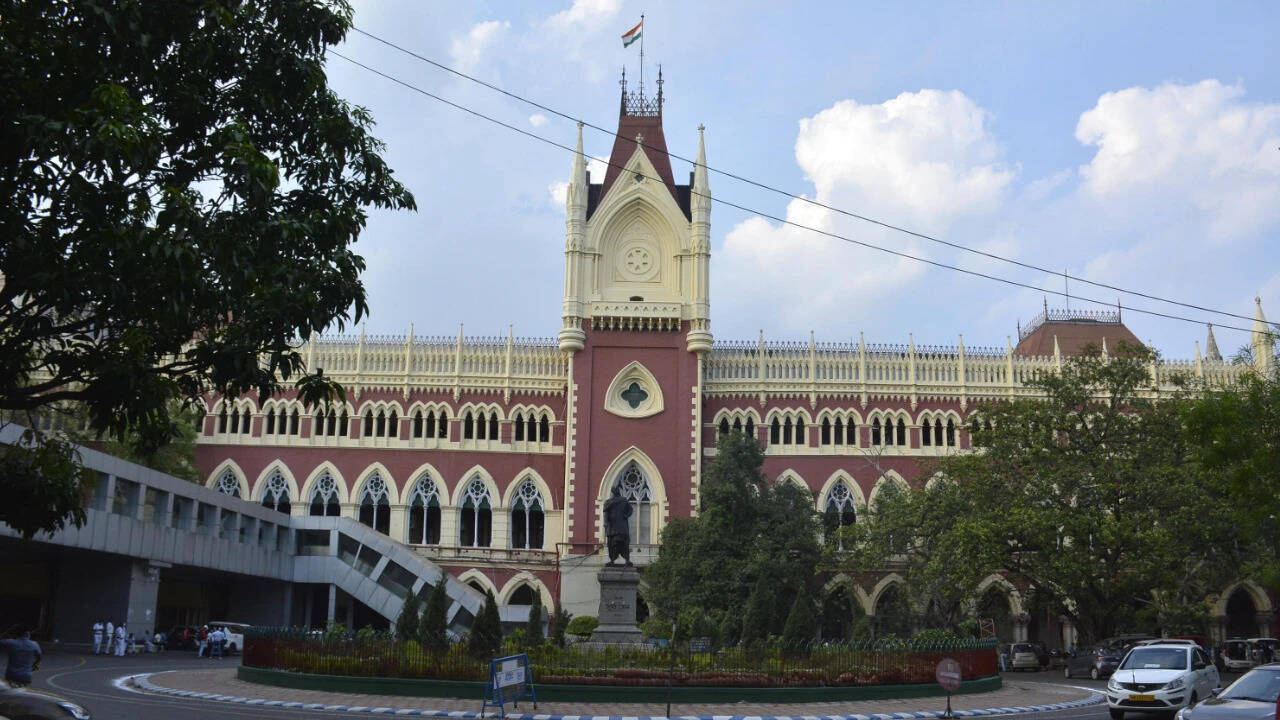
The Calcutta High Court recently addressed a PIL challenging the mandatory recitation of Vande Mataram in madrassas. The court emphasized that such mandates are not inherently catastrophic, while noting that no coercive measures have yet been enforced.
Judicial Scrutiny of Nationalistic Mandates
The Calcutta High Court has recently taken up a Public Interest Litigation (PIL) that challenges the mandatory requirement for students in madrassas to recite specific stanzas of Vande Mataram. This legal challenge brings to the forefront the delicate balance between nationalistic expressions in educational institutions and the individual rights of minority religious groups. The court’s initial observation—that "heavens won’t fall" if the stanzas are sung—reflects a pragmatic approach to a controversy that often risks becoming highly polarized.
The Legal and Communal Implications
At the heart of the litigation are concerns regarding the potential for mandatory nationalistic songs to disrupt communal harmony. Petitioners argue that compelling students to perform specific recitations could lead to legal and social friction within educational frameworks. The judiciary is tasked with determining whether such directives infringe upon constitutional freedoms or if they serve as a legitimate exercise of promoting national unity. By questioning the necessity of such mandates, the court is signaling a preference for voluntary participation over state-enforced compliance.
Addressing Coercion and Procedure
Crucially, the Calcutta High Court noted that no coercive steps have been taken by the authorities regarding the notification in question. This detail is vital as it suggests that the current state of affairs remains in a procedural holding pattern. By acknowledging the lack of immediate enforcement, the court has effectively lowered the temperature of the dispute, allowing for a more measured legal deliberation rather than an emergency intervention.
The Role of Public Interest Litigation
During the proceedings, the Additional Solicitor General presented a counter-argument, characterizing some PILs as "publicity-driven." This highlights a broader trend in the Indian legal landscape where the PIL mechanism is frequently utilized to address ideological grievances. The court’s challenge is to sift through these petitions to separate genuine constitutional concerns from political grandstanding, ensuring that the judicial process remains focused on substantive legal interpretation rather than public optics.
Future Outlook and Judicial Precedent
As this case progresses, it will likely set a significant precedent for how educational institutions manage cultural and nationalistic requirements. The final ruling will need to reconcile the state's interest in fostering patriotism with the fundamental rights of religious minorities. Future trends suggest that courts will continue to emphasize the importance of avoiding coercive measures in education, favoring instead an environment that encourages national pride through inclusivity rather than mandatory observance.