New 3D thermal invisibility cloak makes objects disappear from infrared cameras
Source Entity
Hacker News
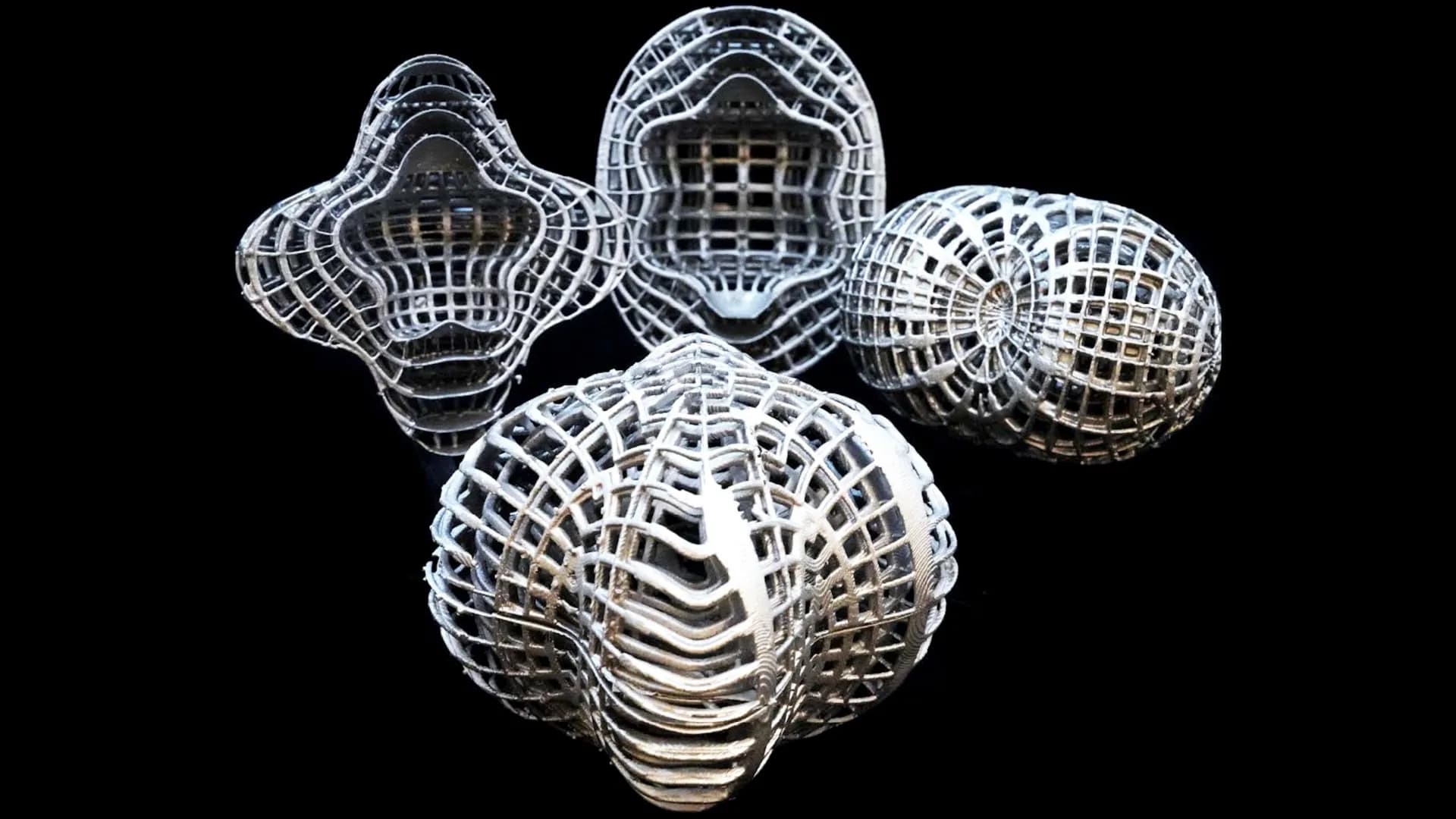
Scientists have engineered a groundbreaking 3D thermal invisibility cloak capable of hiding objects from infrared cameras by redirecting heat. This innovation offers significant advancements in thermal management for electronics and stealth technology.
The Dawn of 3D Thermal Invisibility
Researchers have achieved a significant milestone in materials science by developing the first three-dimensional thermal invisibility cloak. Unlike previous iterations that were restricted to two-dimensional planes, this new technology functions effectively across three-dimensional space, allowing it to mask objects regardless of their shape or the angle of incoming heat. This development represents a paradigm shift in how we manipulate thermal energy.
Overcoming Historical Limitations
Historically, thermal cloaking technology was hampered by severe directional constraints. Earlier prototypes were only effective when heat traveled along a single, predictable path, rendering them impractical for real-world environments where heat flow is often dynamic and multidirectional. The new design overcomes these barriers by actively directing heat around the hidden object. By effectively 'bending' thermal energy rather than simply blocking it, the device ensures that the thermal signature remains undisturbed, creating a seamless illusion for infrared sensors.
Applications in Thermal Management
Beyond the intrigue of 'invisibility,' this technology holds profound utility for the field of microelectronics. As modern microchips become smaller and more densely packed, managing heat dissipation has become a primary hurdle for engineers. This cloaking mechanism provides a novel method for protecting delicate electronic components from thermal overload. By guiding heat away from sensitive nodes, it can prevent degradation, effectively extending the lifespan and reliability of high-performance computing hardware.
Enhancing Stealth and Defense
From a defense and security perspective, the ability to mask an object's thermal signature is a transformative capability. Infrared cameras are currently the standard for detecting machinery, vehicles, and equipment based on the heat they emit. By neutralizing this signature, this new material allows for the concealment of equipment that would otherwise be highly visible in modern combat or surveillance scenarios. The versatility of the design suggests it could be adapted for a wide variety of shapes and environments.
Future Trends and Research Trajectories
Looking ahead, the integration of this technology into commercial and industrial sectors is likely to follow a phased approach. Initially, we can expect to see applications in high-end industrial cooling and specialized aerospace components where thermal regulation is critical. As the manufacturing processes for these cloaking materials scale, they may find their way into consumer-grade electronics. Future research will likely focus on optimizing the material's durability and thickness, moving toward thinner, more flexible 'skins' that can be applied to complex, non-static geometries.
Conclusion
In summary, the development of a 3D thermal invisibility cloak is a testament to the precision of modern material engineering. By successfully redirecting heat to bypass an object entirely, scientists have unlocked new possibilities in both thermal protection and stealth. As this technology matures, it promises to reshape our approach to electronic cooling and infrared detection, cementing its place as a pivotal advancement in applied physics.