One of Google’s Android partners turned 1.3 million set-top boxes into a botnet
Source Entity
Stevie Bonifield
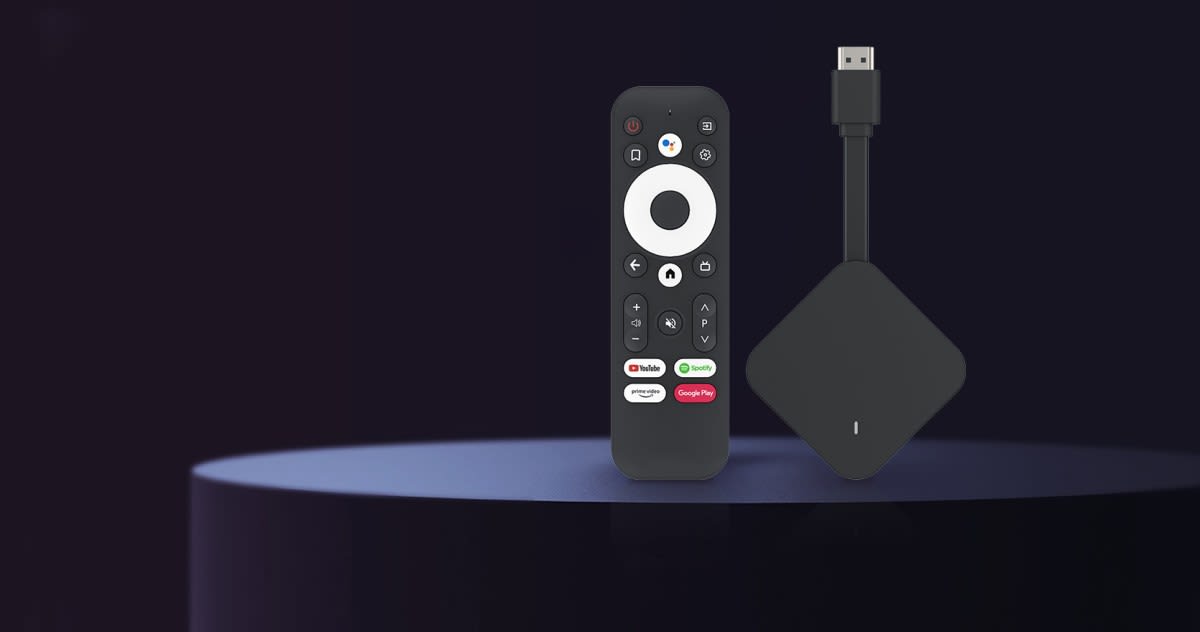
Google has severed ties with Shenzhen-based Videostrong Technology after discovering a massive botnet, known as x.cpe, embedded in 1.3 million Android TV set-top boxes. The malware facilitated ad fraud and data theft, exposing vulnerabilities in the supply chain certification process.
The Collapse of Trust: Google’s Android Supply Chain Breach
In a significant security incident, Google has officially cut ties with Videostrong Technology Co., a Shenzhen-based manufacturer, after uncovering a massive botnet operation embedded within its Android-certified devices. The botnet, identified as 'x.cpe,' compromised approximately 1.3 million set-top boxes, turning consumer hardware into tools for cybercriminal activity. This breach marks a rare and concerning failure in the Android certification process, which is designed to ensure that devices bearing the Google seal meet rigorous security and performance standards.
The Anatomy of the x.cpe Botnet
The x.cpe botnet was not a simple piece of malware; it was a sophisticated, modular three-stage platform. According to Google’s Threat Intelligence Group, the malware utilized advanced obfuscation techniques to bypass initial security screenings. By evolving from a single-stage dropper to a complex system capable of selling access to third parties, the malware enabled malicious actors to conduct ad fraud, perform data exfiltration, and route unauthorized network traffic—all without the knowledge of the end users.
Supply Chain Vulnerabilities and Certification Failures
The incident highlights the inherent risks in the global IoT supply chain. While Google mandates that manufacturers undergo a strict certification process to gain access to the Google Play Store and branding, Videostrong Technology managed to evade these safeguards. The ability of a manufacturing partner to integrate a backdoor at the firmware level presents a unique challenge for tech giants, as these devices are often compromised before they even reach the consumer's home.
Implications for Android TV and IoT Ecosystems
This event significantly impacts the trust ecosystem of Android TV and other IoT products, particularly those sold under the MECOOL brand. For consumers, the breach represents a violation of privacy and a potential security liability. Because the malware was installed during the device setup phase, it remained largely invisible to users, demonstrating how easily hardware-level compromises can persist in the modern connected home.
The Strategic Response from Google
Google’s decision to ban Videostrong Technology from producing or selling certified Android devices is a decisive attempt to preserve the integrity of its platform. By dismantling the backdoor and removing the manufacturer from its partner list, Google is signaling a stricter approach to vendor accountability. However, the incident raises long-term questions regarding how much oversight tech companies can realistically maintain over third-party hardware production lines in international markets.
Future Trends in Cybersecurity
Moving forward, this incident serves as a catalyst for more rigorous, ongoing monitoring of firmware updates and supply chain integrity. As IoT devices become more prevalent in domestic settings, the industry must transition from 'point-in-time' certification to continuous security auditing. The x.cpe case will likely lead to tighter control over the supply chain, as manufacturers are forced to prove not just their initial compliance, but their sustained security commitment to the Android ecosystem.