5 health investments a cardiologist would prioritise for your home
Source Entity
The Indian Express
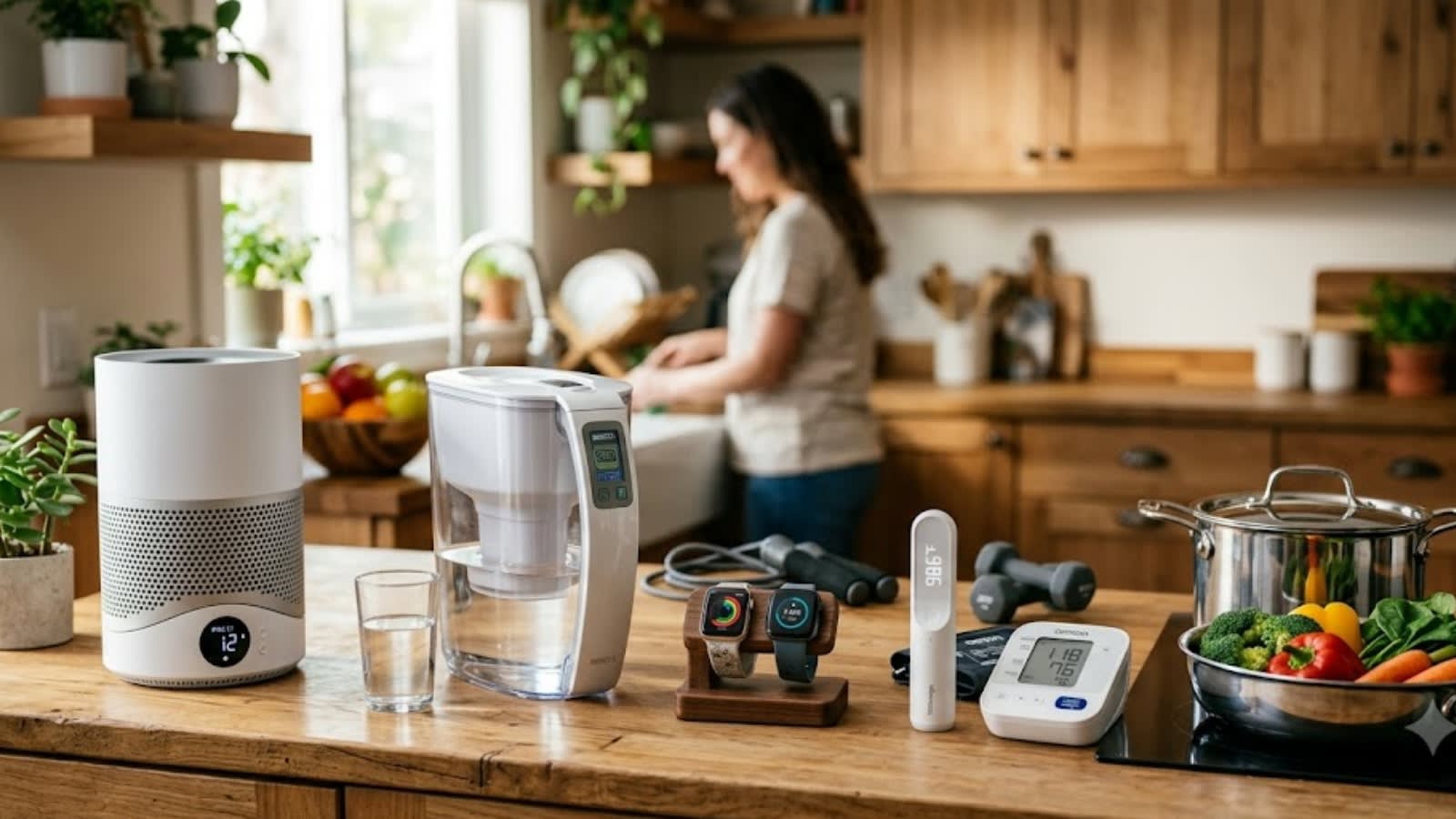
Cardiologists emphasize that effective heart health management starts with simple, home-based tools rather than expensive medical gadgets. Prioritizing monitoring devices and lifestyle-focused equipment can significantly reduce long-term cardiovascular risks.
Rethinking Home Health: A Cardiologist's Perspective
In an era dominated by high-tech wearables and expensive wellness subscriptions, the fundamental pillars of cardiovascular health are often overlooked. Dr. Vimlesh Pandey, a Consultant Cardiologist at KIMS Hospitals, Thane, argues that the most effective health investments are those that empower individuals to monitor their vitals and maintain physical activity from the comfort of their homes. This shift in focus moves away from reactive medical spending toward proactive, preventive management.
The Importance of 'Knowing Your Numbers'
At the core of Dr. Pandey’s advice is the concept of data-driven health management. By utilizing a validated digital blood pressure monitor and a glucometer, households can gain immediate, actionable insights into their cardiovascular risk factors. Hypertension and blood sugar irregularities are 'silent killers' that often go undetected until they cause significant damage; having these tools at home allows for consistent tracking that can inform clinical decisions when shared with a healthcare provider.
Kitchen and Environment as Preventive Tools
Beyond direct biometric monitoring, the physical environment plays a critical role in long-term health. The suggestion to utilize stainless steel or cast-iron cookware highlights the importance of avoiding harmful chemical leaching often associated with non-stick coatings. Furthermore, emphasizing water quality through testing kits underscores that cardiovascular health is not just about genetics; it is intrinsically linked to the environmental toxins and impurities we ingest daily.
Strength Training for Cardiovascular Resilience
While aerobic exercise is widely praised, Dr. Pandey supports the integration of strength-training equipment, such as resistance bands or dumbbells, as a secondary health investment. Strength training improves metabolic health and insulin sensitivity, both of which are vital for reducing the burden on the heart. By making these tools accessible at home, individuals remove the barriers to entry that often lead to sedentary lifestyles.
Integrating Habits Over Gadgets
Ultimately, the cardiologist’s recommendations favor functional utility over consumer trends. While smart devices have their place, they are only as effective as the underlying habits they support. Dr. Pandey’s guidance suggests that by prioritizing these five simple investments—cookware, water testing, blood pressure monitoring, glucose tracking, and strength equipment—households can create a sustainable ecosystem for heart health that is both affordable and scientifically grounded.
Conclusion: A Sustainable Path Forward
The transition toward home-based health management is a necessary evolution in modern preventative medicine. By focusing on these core investments, individuals can move from passive consumers of healthcare to active participants in their own longevity. This approach not only alleviates the pressure on clinical facilities but also empowers families to manage their cardiovascular risks effectively and consistently.