50 Whales Stranded On New Zealand Coast, Water In Buckets Used To Rescue Them
Source Entity
NDTV News Search Records Found 1000
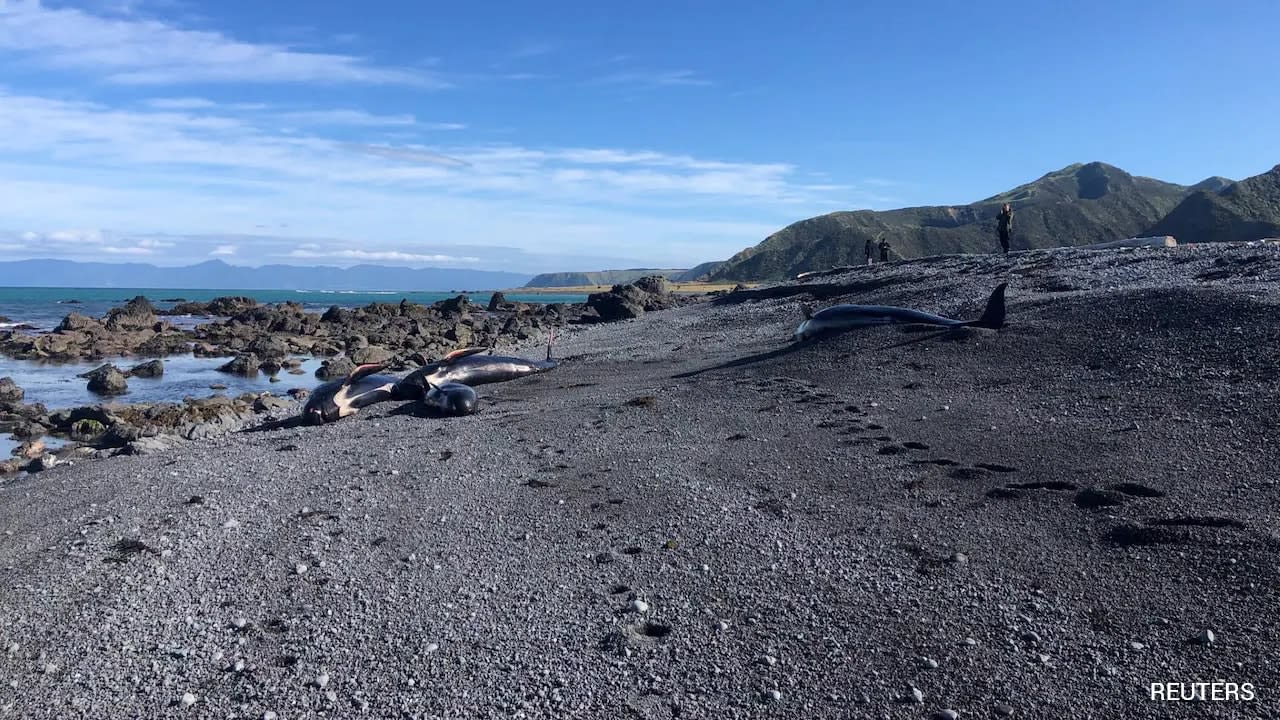
A mass stranding of 50 whales has occurred on the New Zealand coast, prompting rescue efforts involving buckets of water. Local authorities and volunteers are working to keep the animals alive in a region where such events are historically common.
Mass Stranding Event in New Zealand
Recent reports confirm a distressing incident along the New Zealand coastline, where approximately 50 whales have become stranded. Local responders and volunteers have mobilized to provide immediate life-support measures, utilizing buckets of water to keep the mammals hydrated and cool while awaiting the tide. This labor-intensive effort underscores the urgent logistical challenges faced by conservationists when dealing with large-scale marine wildlife emergencies in remote or difficult-to-access coastal areas.
Contextualizing Whale Strandings
While the sight of 50 whales stranded is undeniably alarming, it is important to note that such occurrences are relatively common within the geographical context of New Zealand and neighboring Australia. These nations are located near major migratory pathways, and the complex, shallow topography of their coastlines often contributes to these tragic events. The frequency of these incidents has led to the development of specialized volunteer networks and government-led marine mammal response protocols.
The Science of Stranding
Marine biologists have long studied the phenomenon of mass strandings, though the exact triggers remain a subject of intense scientific debate. Theories range from navigation errors caused by changes in the Earth's magnetic field to the influence of social bonding, where an entire pod follows a leader into dangerous, shallow waters. The recent event in New Zealand serves as a stark reminder of the vulnerability of these highly intelligent social creatures to environmental variables.
Rescue Operations and Challenges
Rescuing stranded whales is a precarious operation that requires balancing the welfare of the animals with the safety of human responders. Keeping the whales hydrated with buckets of water is a temporary measure designed to prevent skin damage and overheating, but it is not a long-term solution. Success in these scenarios often depends heavily on the timing of the tide, as the whales require the buoyancy of deeper water to return to their natural habitat without sustaining further injury.
Broader Ecological Implications
Beyond the immediate rescue efforts, these events highlight the ongoing need for robust marine monitoring systems. As climate change continues to alter ocean temperatures and currents, scientists are closely observing whether these shifts impact the migratory routes and health of cetacean populations. Understanding the patterns behind these strandings is crucial for long-term conservation strategies aimed at protecting marine biodiversity in the South Pacific.
Conclusion
In summary, while the stranding of 50 whales is a significant and heart-wrenching event, it reflects a recurring ecological phenomenon in the region. The dedicated response by local citizens and officials highlights the deep-seated commitment to marine conservation in New Zealand. As the rescue efforts continue, the focus remains on ensuring the survival of as many individuals as possible and gathering data to better understand why these mass strandings occur.
Verification Required?