Japan earthquake triggers blast in mall, several feared dead, trapped
Source Entity
TOI WORLD DESK
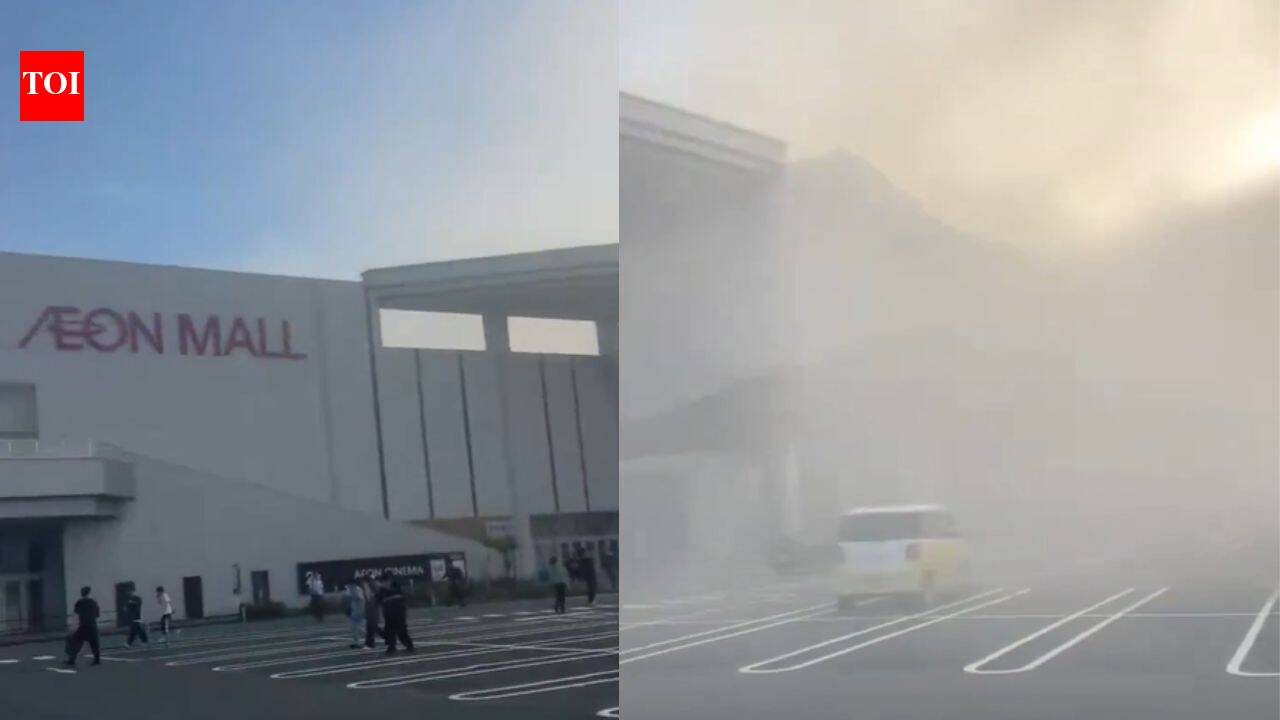
A powerful 7.1 magnitude earthquake struck Japan's Kyushu region, triggering tsunami warnings for several prefectures. Authorities have issued emergency alerts as the Japan Meteorological Agency monitors the situation.
Tectonic Activity Strikes Southern Japan
A significant seismic event occurred on Tuesday as a powerful 7.1 magnitude earthquake struck the southern Japanese island of Kyushu. Centered near Kumamoto Prefecture, the quake was recorded at a depth of 10 kilometers (6 miles) below the sea surface. The Japan Meteorological Agency (JMA) acted swiftly, issuing immediate tsunami warnings and advisories for the coasts of the Ariake and Yatsushiro Seas, signaling the potential for waves reaching up to one meter in height.
Government Response and Emergency Protocols
In response to the tremor, the Japanese government activated emergency earthquake warning systems across seven prefectures: Kumamoto, Nagasaki, Kagoshima, Fukuoka, Saga, Oita, and Miyazaki. This rapid mobilization highlights the sophisticated disaster management infrastructure Japan has cultivated to mitigate the impact of its frequent tectonic activity. By utilizing widespread alert systems, the government aims to provide residents with the critical seconds needed to seek higher ground or secure their surroundings.
The Geography of the Kyushu Region
Kyushu, as one of Japan's four main islands, is situated in a geologically complex zone. The region's proximity to subduction zones and fault lines makes it particularly susceptible to shallow-depth earthquakes. The specific location of this quake—striking at a relatively shallow depth of 10 kilometers—often results in more intense ground shaking, which explains the immediate issuance of tsunami advisories. The interaction between the seafloor displacement and the coastal geography of the Ariake and Yatsushiro Seas necessitates heightened vigilance from coastal populations.
Tsunami Risks and Monitoring
While a one-meter wave may seem modest in scale, the JMA’s decision to issue a warning underscores the life-safety protocols inherent in Japanese disaster management. Tsunami waves are notoriously deceptive; even smaller waves can carry immense force and cause significant coastal flooding. The JMA remains in a state of active monitoring, evaluating the potential for further seismic activity or subsequent wave surges, emphasizing that public safety remains the primary priority during this developing situation.
Broader Implications for Disaster Preparedness
This event serves as a stark reminder of Japan's ongoing vulnerability to natural disasters and its commitment to rigorous preparedness. As a nation located on the Pacific 'Ring of Fire,' seismic events are a recurring feature of life. The effectiveness of the current emergency response will likely undergo a thorough review to refine future alert procedures. Residents in the affected prefectures are urged to follow official guidance from local authorities and remain alert for further updates as the situation evolves.
Multiple Citing Sources