'Six paper leaks in five years in Punjab': Maliwal's 'super CM' swipe at Kejriwal
Source Entity
TOI NEWS DESK
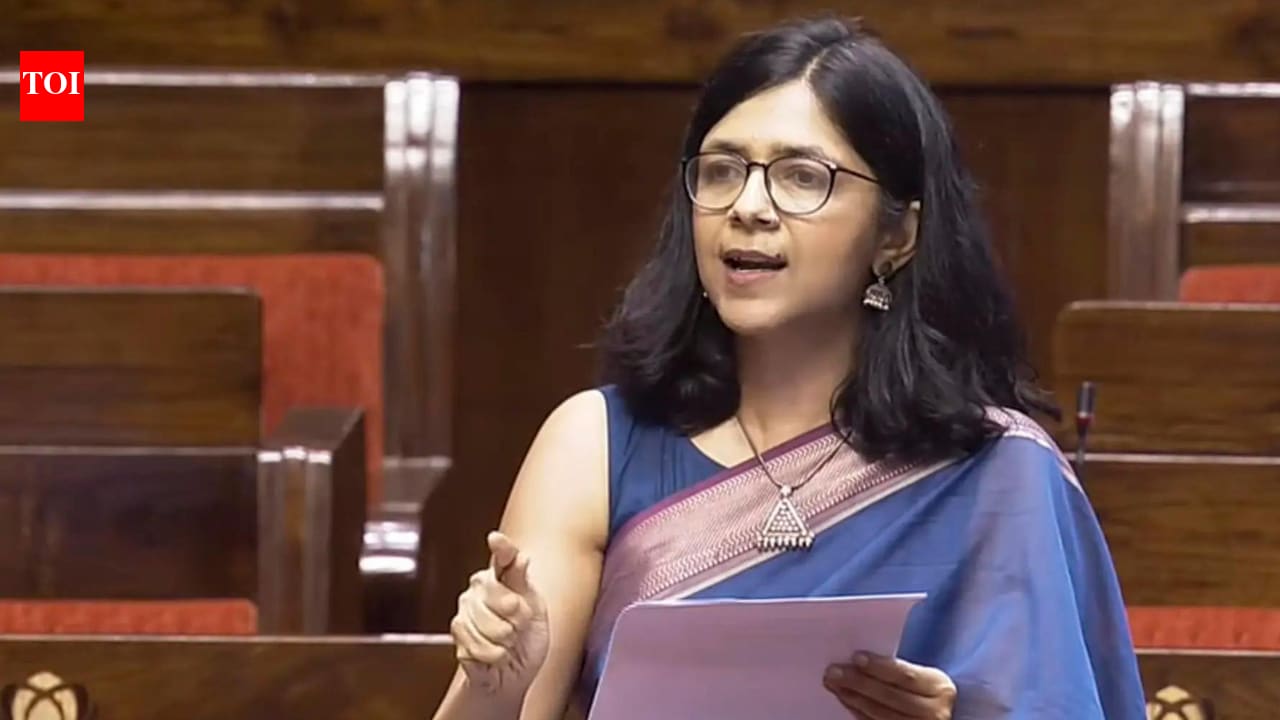
Swati Maliwal has criticized Arvind Kejriwal, alleging six major paper leaks in Punjab over five years. She utilized the term 'super CM' to target Kejriwal's influence over the state's governance.
The Controversy Surrounding Punjab's Examination Integrity
Recent political discourse has been ignited by Swati Maliwal’s sharp critique of Aam Aadmi Party (AAP) leadership, specifically targeting Arvind Kejriwal regarding the state of governance in Punjab. Maliwal’s accusation centers on the occurrence of six major paper leaks within a five-year window, a statistic she uses to challenge the administrative efficacy of the current leadership. This incident highlights a growing tension within the political landscape, as opposition figures increasingly scrutinize the internal dynamics between state-level leadership and the party's central command.
The 'Super CM' Narrative
Central to Maliwal’s critique is her use of the term 'super CM' to describe Arvind Kejriwal’s perceived influence over Punjab’s administration. By employing this label, Maliwal suggests a centralization of power that bypasses local governance structures. This rhetorical strategy aims to hold the central party leadership directly accountable for local failures—in this case, the recurring inability to secure competitive examinations. The implication is that the structural oversight from Delhi is not only intrusive but arguably ineffective in managing the logistical challenges facing the youth of Punjab.
Impact on Educational Infrastructure and Public Trust
Paper leaks represent more than just administrative failure; they strike at the heart of public trust in the state's educational and recruitment systems. When major examinations are compromised, the ripple effect is felt by thousands of students who invest significant time, financial resources, and emotional energy into their career prospects. In the context of Punjab, where job security is a paramount concern for the youth, these recurrent leaks serve as a catalyst for public dissatisfaction, providing ammunition for political opponents to question the government's competence.
Historical Context of Competitive Exam Failures
While the current administration faces the brunt of these accusations, the issue of examination integrity has been a long-standing challenge in several Indian states. The frequency of such leaks often points to systemic vulnerabilities within the examination boards and the procurement of printing or digital delivery services. Maliwal’s focus on the last five years frames this as a persistent failure that has transcended specific political tenures, yet she places the burden of correction squarely on the current AAP leadership’s shoulders.
Broader Political Implications and Future Trends
Looking ahead, this narrative is likely to shape the political discourse in upcoming election cycles. If the opposition continues to link 'super CM' governance models to systemic failures like paper leaks, the AAP may find itself forced to decentralize its operations or implement more rigorous anti-leak protocols. The pressure to restore credibility in the recruitment process will be a litmus test for the party's ability to govern effectively beyond its traditional strongholds. Ultimately, the resolution of these examination crises will determine whether the current administration can maintain its mandate among the youth demographic.