This AI data centre promised no Colorado River water. Now it wants 260mn gallons
Source Entity
TOI WORLD DESK
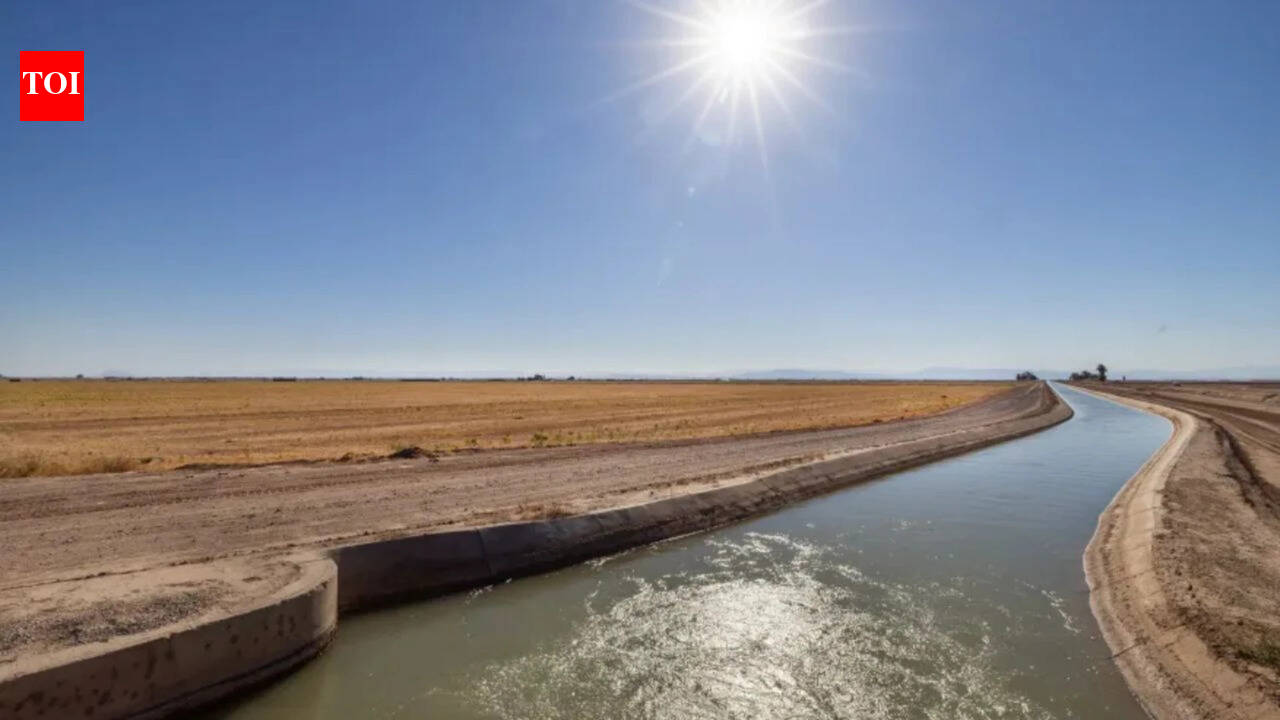
A major AI data center in Southern California is facing backlash after reversing its pledge to avoid using Colorado River water. The developer is now suing for access to the resource, sparking concerns over water scarcity for millions of residents.
The Growing Conflict Between AI Infrastructure and Water Security
The Illusion of Sustainable AI Growth
The rapid proliferation of artificial intelligence has necessitated the construction of massive data centers, which serve as the physical architecture for our digital future. However, these facilities are fundamentally resource-intensive, requiring substantial amounts of electricity and water to manage the immense heat generated by high-performance computing hardware. The recent controversy surrounding a 330-megawatt AI data center in Southern California’s Imperial Valley highlights a troubling pattern: developers often secure local permits by promising minimal environmental impact, only to reverse those commitments once construction is underway.
The Broken Promise in Imperial Valley
This specific data center was initially marketed as a state-of-the-art facility that would operate without tapping into the Colorado River. This promise was a cornerstone of its public and regulatory reception, as the Colorado River is a critical lifeline for 40 million people across the Western United States. The developer's current pivot—initiating a lawsuit to gain access to 260 million gallons of this water—represents a significant breach of public trust and underscores the tension between corporate technological expansion and communal resource preservation.
The Colorado River Crisis
To understand the gravity of this situation, one must consider the historical and ongoing crisis of the Colorado River. The river is currently at the center of intense legal and environmental disputes, as prolonged droughts and over-allocation have placed it under unprecedented stress. By prioritizing the cooling needs of AI servers over existing residential and agricultural water rights, the developers are entering a high-stakes arena where water is an increasingly scarce commodity. The demand for an additional 260 million gallons threatens to exacerbate existing tensions between local stakeholders and tech giants.
Resource Competition: Tech vs. Agriculture
Data centers are often built in regions where land is cheap and energy is accessible, but these areas, such as the Imperial Valley, are frequently dependent on complex water irrigation systems. When a massive industrial project like a 330-megawatt data center asserts a right to water, it directly competes with local farming communities and municipal supplies. This creates a zero-sum game where the "AI boom" directly threatens the stability of local ecosystems and the livelihoods of those who rely on traditional water allocations.
Future Trends and Regulatory Implications
Looking forward, this lawsuit may serve as a bellwether for future AI infrastructure projects. As the environmental footprint of large language models and generative AI becomes more transparent, regulators are likely to impose stricter oversight on water usage. If developers continue to backtrack on sustainability pledges, we can expect to see more aggressive litigation and local activism. The industry must reconcile its growth ambitions with the physical realities of the regions they occupy; otherwise, the "AI revolution" risks being viewed as a parasitic development model that prioritizes silicon processing over the fundamental human right to water.