Designing an Ethernet Switch ASIC
Source Entity
Hacker News
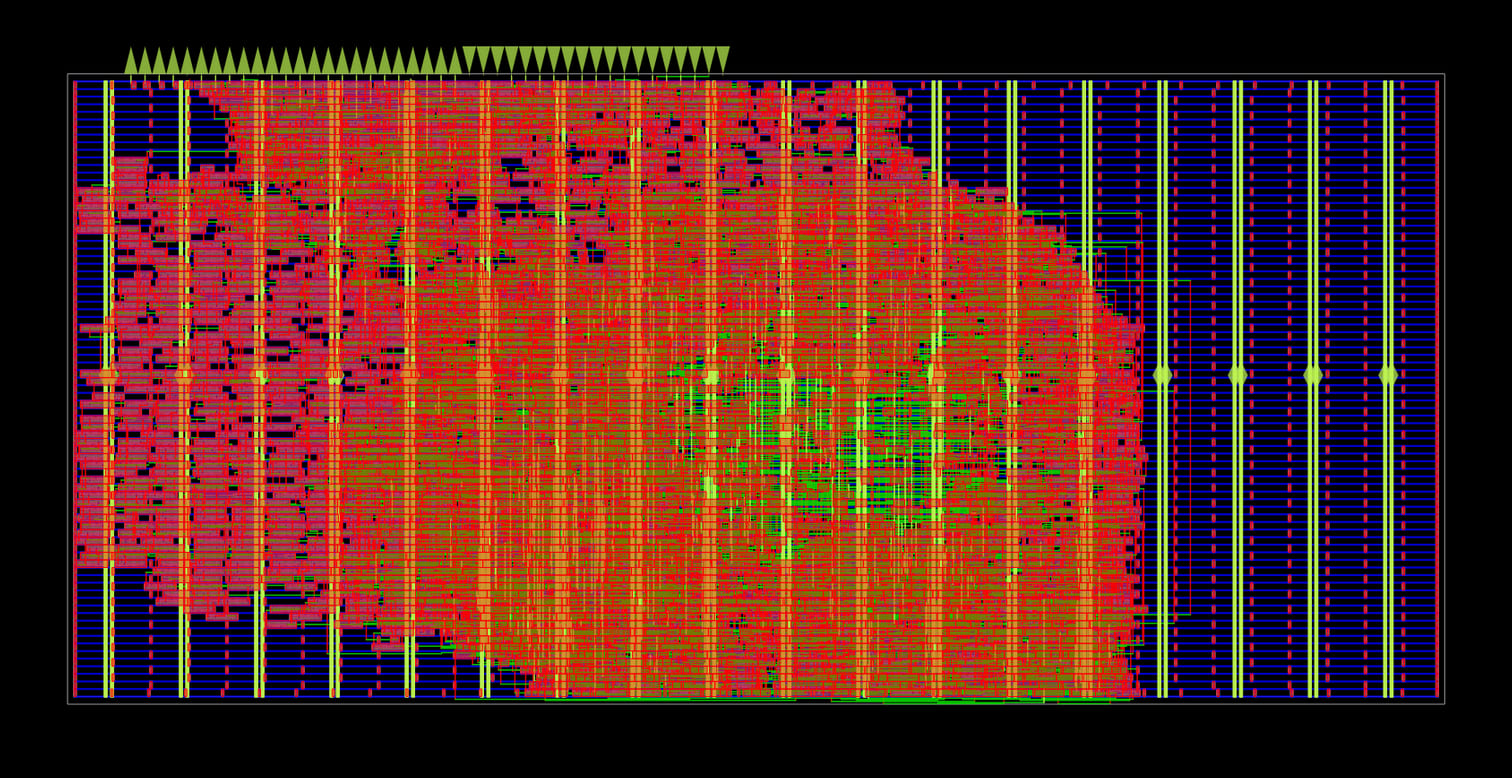
A developer has announced the tape-out of the world's first open-source Ethernet switch ASIC, produced via the Tiny Tapeout platform. This project aims to address the critical lack of transparent, open-source networking hardware in the industry.
The Emergence of Open Source Networking Hardware
The landscape of networking infrastructure has long been dominated by proprietary, "black-box" Application-Specific Integrated Circuits (ASICs). The recent announcement regarding the tape-out of an open-source Ethernet switch ASIC represents a paradigm shift in how networking hardware is conceptualized and developed. By leveraging the Tiny Tapeout gf26b shuttle platform, the developer has successfully moved from theoretical design to physical silicon, with the chip expected to return from the fab in mid-November.
Technical Specifications and Fabrication
Occupying a compact area of 711.2 x 325 micrometers, this switch ASIC is a testament to the democratization of semiconductor design. The use of the Tiny Tapeout ecosystem—which allows hobbyists and researchers to access professional fabrication processes—has been instrumental in making this project viable. The project is currently scheduled for a silicon bring-up phase on November 15, 2026, marking a critical milestone in validating the logical design within actual hardware constraints.
Addressing the Transparency Gap
Recent regulatory attention, particularly from the FCC regarding the security and integrity of networking equipment, has highlighted a significant vulnerability: the total absence of entirely open-source networking hardware. When network switches rely on closed-source silicon, end-users are forced to trust the manufacturer's implementation of protocols and security features. This project directly challenges that status quo by providing a transparent alternative where the logic is verifiable by the public.
The Philosophy of Open Silicon
In the world of software, open source has become the bedrock of modern infrastructure. However, the hardware layer—specifically the ASIC layer—remains notoriously opaque. By declaring that "all bugs are 100% human made," the developer emphasizes the inherent fallibility of proprietary development cycles. This initiative seeks to bring the collaborative, iterative, and transparent nature of open-source software development to the physical circuitry that powers global data traffic.
Broader Implications and Future Trends
If successful, this open-source switch ASIC could serve as a catalyst for a new wave of networking hardware. We are likely to see a trend where researchers and small-scale enterprises begin to prioritize "verifiable hardware" over "black-box performance." As the industry moves toward more decentralized and secure network architectures, the ability to audit the very silicon that switches packets will become a competitive advantage and a security necessity.
Conclusion
While this is the first iteration of such a device, the implications for the future of network security are profound. By moving networking ASICs into the open-source domain, the developer is not merely building a switch; they are building a framework for trust in an era where digital infrastructure is increasingly scrutinized. The upcoming silicon bring-up in 2026 will be a pivotal moment for the open-hardware community and may define the next decade of networking innovation.