'Removed in error': Meta responds after PM Modi's video was blocked on Facebook
Source Entity
TOI NEWS DESK
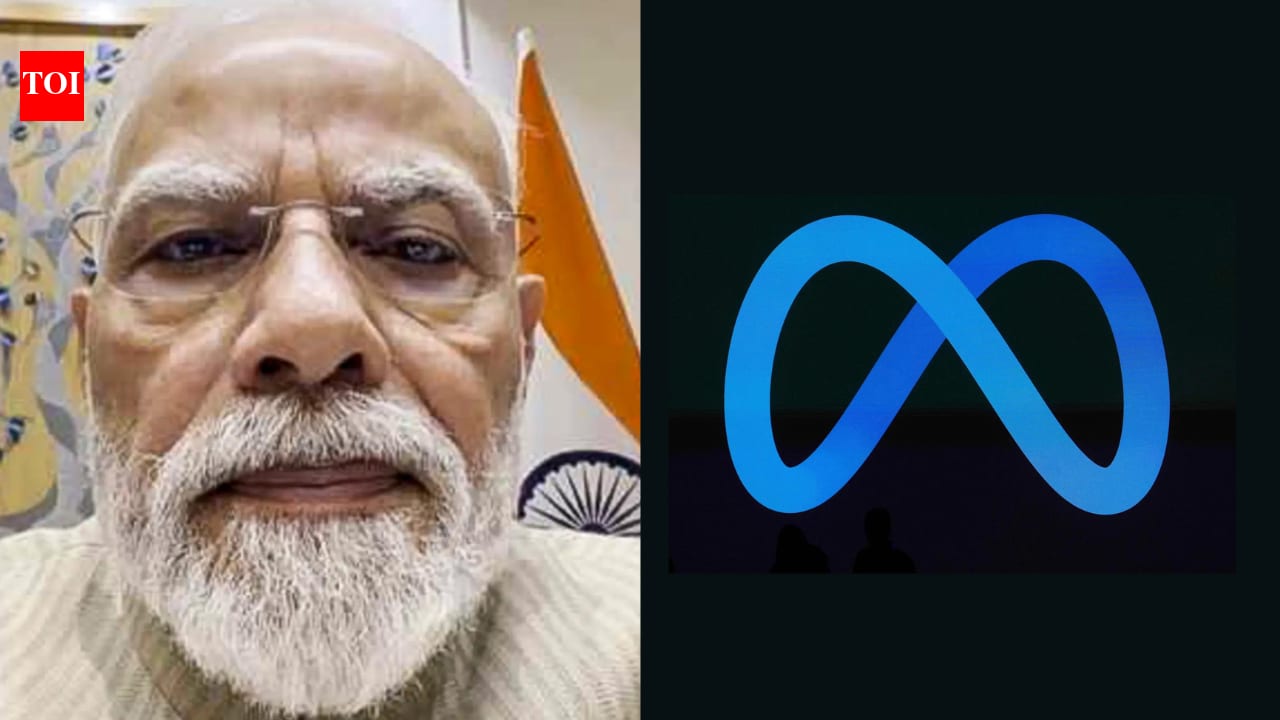
The Indian government has rejected Meta's explanation that Prime Minister Narendra Modi's video on anti-paper leak measures was deleted due to an automated glitch. Officials have summoned Meta's global policy head, signaling a deepening confrontation over platform accountability.
The Meta-Government Standoff: Analyzing the Removal of PM Modi's Video
A Procedural Glitch or Systemic Failure?
Meta recently faced intense scrutiny after removing a video posted by Prime Minister Narendra Modi, which detailed the government's commitment to implementing stricter measures against paper leaks. While Meta initially characterized the removal as an error caused by a glitch in their automated content filtering systems, the Indian government has formally rejected this explanation. The incident highlights the growing tension between global tech giants and national governments regarding the moderation of high-profile political content.
The Government’s Stance and Escalation
For the Ministry of Electronics and Information Technology (MeitY), the explanation provided by Meta is deemed "not reasonable." By summoning Meta’s global head of public policy, the Centre has signaled that it views the incident as more than a mere technical error. The government's insistence that the matter is "far from settled" suggests a broader institutional push to hold social media platforms accountable for their moderation decisions, particularly when those decisions impact the visibility of state policy announcements.
Legislative Context: The Fight Against Paper Leaks
The content of the censored video is of significant national importance, as it addressed the government's intent to introduce stringent legislative measures to combat examination paper leaks. With the Union Cabinet preparing to present a Bill in Parliament to curb these malpractices, the visibility of the Prime Minister's messaging is crucial. The removal of such content creates friction, as the government views it as an impediment to transparent public communication on a key policy initiative.
The Broader Implications for Platform Governance
This incident raises critical questions about the role of automated moderation in democratic discourse. When algorithms are tasked with flagging content, the potential for over-censorship of political speech becomes a significant concern. The government's reaction underscores a global trend where nations are increasingly unwilling to accept "automated errors" as a sufficient justification from tech platforms, leading to calls for greater human oversight and transparency in how these algorithms function.
Future Trends in Digital Accountability
Looking ahead, this confrontation is likely to influence future regulatory frameworks in India. The ongoing discussions between the government and Meta will likely focus on establishing clearer protocols for content removal, especially concerning high-ranking officials. The outcome of these talks could set a precedent for how social media companies manage political content in the future, potentially leading to more rigorous oversight mechanisms to prevent similar incidents that could be interpreted as interference in national governance.