Exam paper leak suspected at Gujarat Ayurved University
Source Entity
The Indian Express
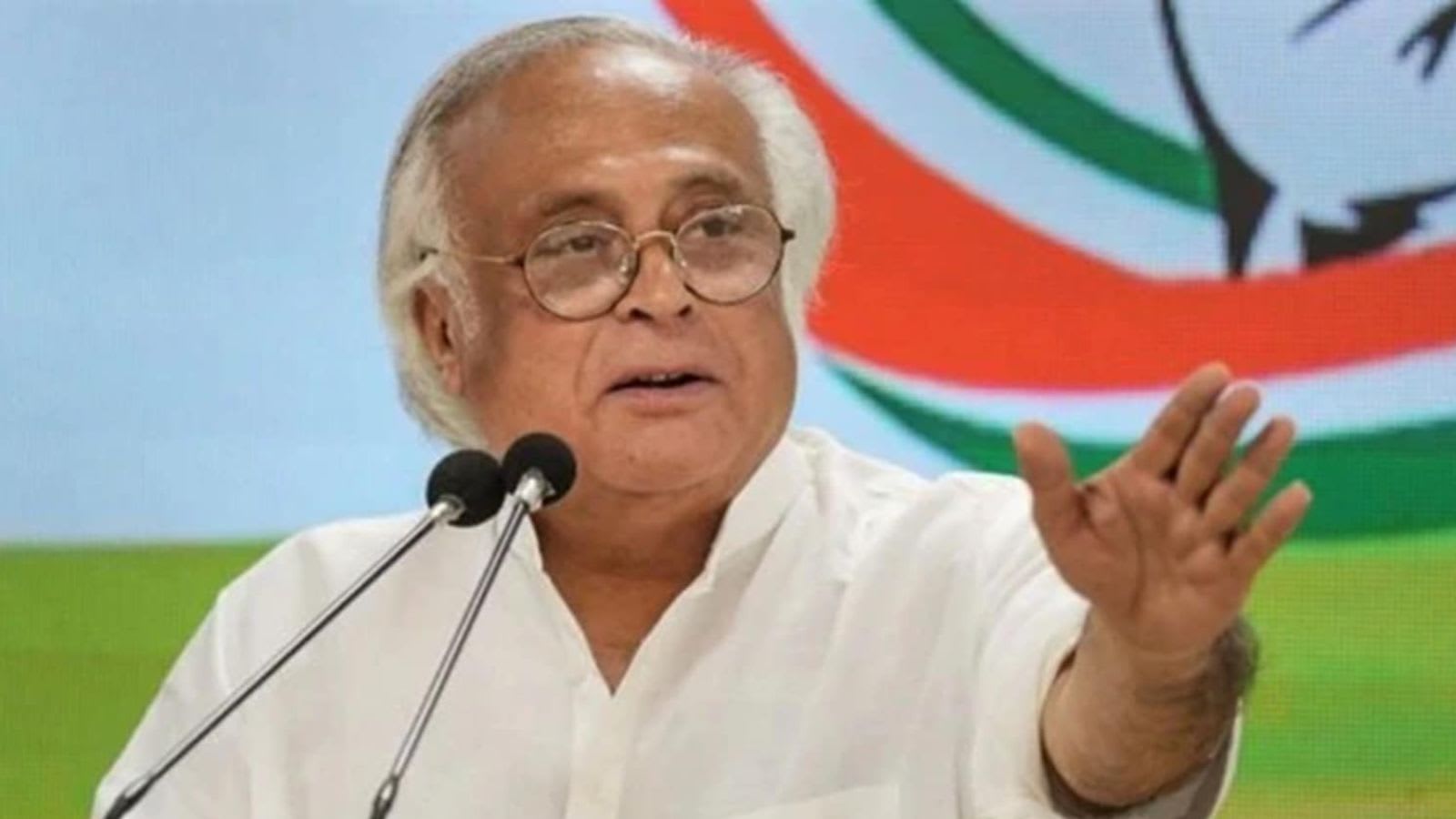
Former Union Education Minister Dharmendra Pradhan’s tenure is under scrutiny following a series of exam paper leak allegations and textbook errors. Amidst these challenges, opposition leaders are calling for accountability in state-level education departments, highlighting a broader crisis in academic integrity.
The Legacy and Turbulence of Dharmendra Pradhan’s Tenure
Dharmendra Pradhan’s tenure as Union Education Minister concludes amidst a complex backdrop of policy ambition and systemic failure. Known previously for his implementation success at the Petroleum Ministry—where he oversaw the distribution of eight crore LPG connections—Pradhan’s transition to the Education Ministry was defined by the aggressive rollout of the National Education Policy (NEP) 2020. While his ministry pushed for structural shifts through the National Curriculum Framework (NCF) and initiatives like PM SHRI, his departure has been marked by mounting pressure regarding the sanctity of national examinations.
The Shadow of Examination Integrity
The central challenge defining the end of Pradhan’s term was the recurring crisis of exam paper leaks, which sparked significant public outcry, most notably at Delhi’s Jantar Mantar. These protests highlighted a growing disconnect between policy-level reforms and the operational reality of examination boards. The persistent nature of these leaks suggests a systemic vulnerability that transcends individual leadership, yet the political fallout has been severe enough to overshadow the substantive efforts toward multidisciplinarity and flexible learning models intended by the NEP 2020.
Accountability in State Education
The political ripples of these national-level issues have extended to Odisha, where former Chief Minister Naveen Patnaik has demanded the resignation of School and Mass Education Minister Nityananda Gond. The Biju Janata Dal (BJD) has pointed to 23 distinct paper leak incidents over the past two years, arguing that a lack of accountability has emboldened systemic failures. This demand for resignation serves as a tactical move to link local governance to the broader national narrative of educational mismanagement.
The Crisis of Textbook Accuracy
Beyond examination leaks, the Mohan Majhi government in Odisha faces acute embarrassment regarding the quality of educational materials. The discovery of 1,678 errors in school textbooks for Classes I to VIII for the 2026–27 session represents a significant lapse in pedagogical oversight. Despite the formation of a high-level committee led by Development Commissioner D.K. Singh, the continued use of these error-ridden books in classrooms underscores the difficulty of maintaining quality control during large-scale educational reforms.
Emerging Trends and Future Implications
The pattern of instability is not confined to one region, as evidenced by recent reports of a suspected paper leak at Gujarat Ayurved University involving the ‘Shalya Tantra-1’ paper. This incident, highlighted by Congress leader Jairam Ramesh, reinforces the narrative that academic integrity is currently a nationwide concern. As the administration grapples with these recurring leaks, the future trend in education policy will likely shift from purely structural reforms—like the replacement of the UGC with the Vikshit Bharat Shiksha Abhiyan (VBSA)—toward a more rigorous, security-focused overhaul of the examination and printing infrastructure to restore public trust.