8.23 Lakh Government Posts Vacant: RTI Shows Massive Workforce Gaps
Source Entity
NDTV News Search Records Found 1000
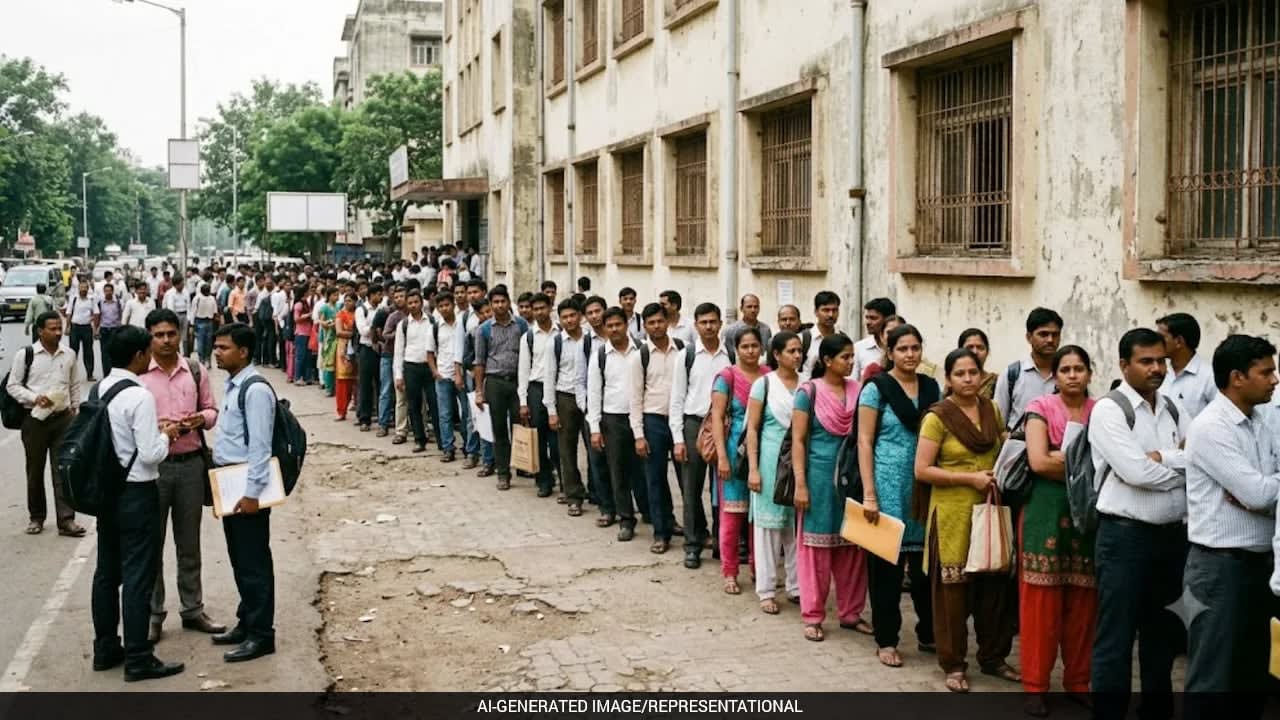
An RTI disclosure has revealed that 8.23 lakh government positions remain vacant across various departments. This significant workforce gap highlights ongoing challenges in administrative efficiency and public sector recruitment.
The Scope of Administrative Vacancies
A recent Right to Information (RTI) disclosure has brought to light a significant structural challenge within the Indian public sector, revealing that approximately 8.23 lakh government positions currently remain vacant. This data, which provides a granular look at workforce distribution, underscores a systemic issue regarding the pace of recruitment versus the retirement and attrition rates within various government departments. These gaps are not merely statistical anomalies; they represent a substantial reduction in the human capital necessary to maintain the operational efficiency of state machinery.
Impact on Public Service Delivery
The persistence of such a high number of vacancies has profound implications for the delivery of public services. When government departments operate with significantly reduced staff, the burden on existing employees increases, often leading to burnout and decreased productivity. Consequently, the citizens who rely on these institutions for essential services—ranging from administrative approvals to welfare implementation—experience delays and bureaucratic bottlenecks. The sheer scale of 8.23 lakh unfilled posts suggests that the administrative capacity of the state is being stretched thin.
Analyzing the Recruitment Pipeline
To understand why such a massive workforce gap exists, one must look at the complexities of the government recruitment process. The administrative pipeline is often encumbered by lengthy examination cycles, rigorous verification protocols, and evolving policy requirements. While the RTI data provides the 'what,' the 'why' points toward a misalignment between the speed of organizational growth and the speed of the talent acquisition pipeline. Addressing this requires a multi-faceted approach, including modernizing the examination infrastructure and streamlining the onboarding process.
Historical Context of Civil Service Staffing
Historically, the Indian government has navigated the balance between maintaining a lean administrative structure and ensuring sufficient personnel for welfare governance. However, as the scope of government initiatives in digital governance and infrastructure development expands, the demand for specialized personnel has grown exponentially. The current data reflects a historical lag where the creation of new roles and the replacement of existing ones have not kept pace with the rapid digitalization and expansion of the public sector mandate.
Future Trends and Policy Implications
Looking ahead, the government faces the critical task of filling these 8.23 lakh vacancies to ensure long-term institutional stability. Future trends likely involve the adoption of more agile recruitment technologies and a potential shift toward contractual or lateral entry models to address immediate skill gaps. If these vacancies remain unaddressed, it could lead to a reliance on ad-hoc arrangements that may undermine the structural integrity of the civil service. The RTI disclosure serves as a necessary wake-up call for policy planners to prioritize human resource management as a cornerstone of good governance.
Conclusion
The revelation of 8.23 lakh vacant posts is a critical data point that necessitates urgent policy intervention. By acknowledging these gaps, the government has the opportunity to recalibrate its recruitment strategies, optimize its workforce allocation, and ultimately improve the efficacy of public administration. Addressing this vacancy crisis is essential for the seamless functioning of the state and the continued trust of the public in government institutions.
Verification Required?