Support women's quota implementation, full Vande Mataram rendition: BJP to Rahul Gandhi
Source Entity
India Latest News: Top National Headlines Today & Breaking News | The Hindu
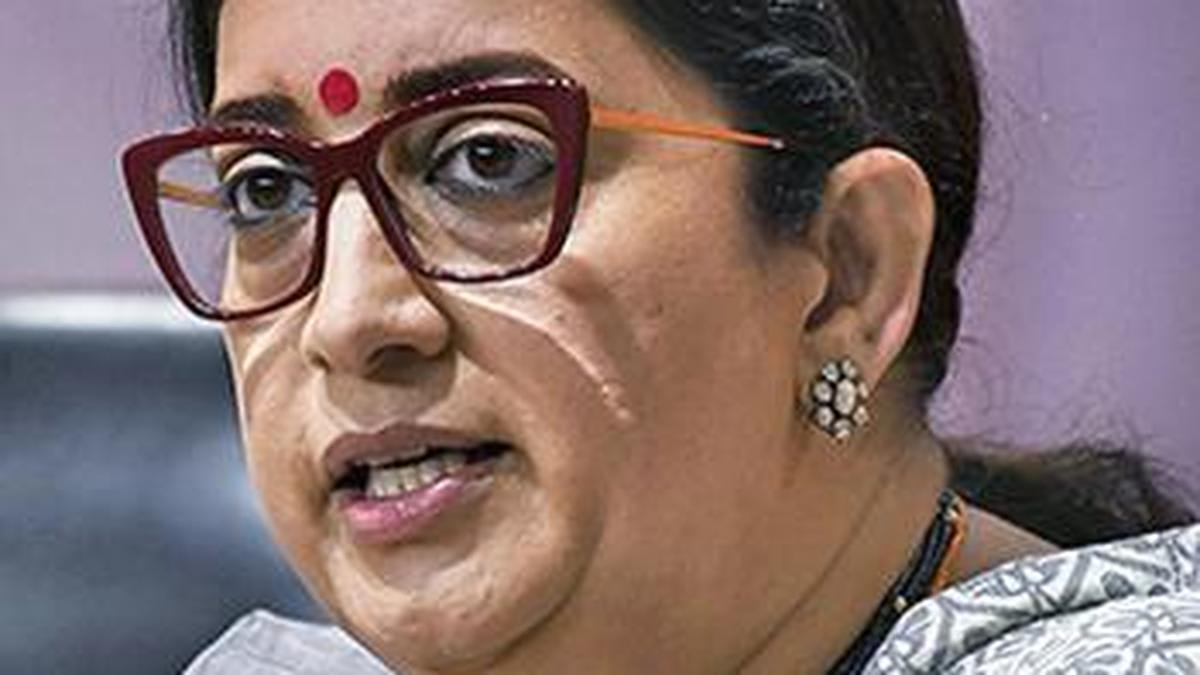
The BJP and Congress are embroiled in a heated political dispute over the recitation of Vande Mataram and the implementation of the women's reservation bill. The controversy highlights deepening ideological divisions regarding nationalism, religious representation, and gender equality in Indian politics.
The Vande Mataram Controversy: A Clash of Ideologies
The current political landscape in India has been reignited by a heated exchange between the Bharatiya Janata Party (BJP) and the Congress party, centered on the recitation of the national song, Vande Mataram. The dispute began when BJP leader Smriti Irani challenged Congress leader Rahul Gandhi to ensure the full rendition of the song at party headquarters, specifically citing the verses that invoke Goddess Durga. This demand serves as a broader critique of the Congress party's approach to national symbols and religious sentiment, framing the debate within the context of cultural nationalism.
The Intersection of Religion and Nationalism
The BJP’s insistence on the full version of Vande Mataram is rooted in its historical positioning of the song as a pillar of Indian patriotic expression. By pointing to the reference of Goddess Durga, the BJP seeks to emphasize the cultural and religious heritage they believe is inherent in the national song. Conversely, Congress and its allies, such as Shiv Sena (UBT) leader Sanjay Raut, argue that the BJP is weaponizing patriotism for political gain. Raut’s recent challenge to Prime Minister Narendra Modi and Home Minister Amit Shah to recite the song without a teleprompter serves to deflect the criticism, questioning the sincerity of the ruling party’s nationalist credentials.
Gender Politics and the 'Manusmriti' Debate
Parallel to the song controversy is a significant policy and ideological debate regarding women's rights. Rahul Gandhi’s recent remarks at the 'Chhatron Ki Goonj' programme in Pune, where he urged students to 'smash patriarchy' and criticized the 'Manusmriti mindset,' have provided the BJP with a platform to demand concrete action. Smriti Irani has countered these claims by challenging Gandhi to move beyond rhetoric and actively support the 33% reservation for women in legislatures. This interaction underscores the tension between progressive gender advocacy and the traditionalist ideological frameworks that both parties accuse the other of either upholding or ignoring.
Broader Socio-Economic Implications
While the national song serves as a symbolic flashpoint, the political discourse is deeply intertwined with economic frustrations. Sanjay Raut has utilized the current friction to pivot toward criticism of the central government’s economic performance, citing rising inflation and economic hardship. This suggests that the Vande Mataram row is not an isolated cultural event but part of a larger, multifaceted strategy where both the opposition and the ruling party attempt to define the national narrative through a mixture of symbolic identity politics and tangible governance records.
Historical Context and Future Trends
This debate reflects a recurring cycle in Indian politics where the interpretation of national identity is constantly contested. The controversy over Vande Mataram—which has historical roots in the pre-independence era—remains a potent tool for mobilizing the base of both the BJP and the Congress. Looking ahead, it is likely that these parties will continue to use such symbolic issues to frame their opponents as either 'anti-national' or 'performative.' As the 2026 political calendar progresses, the convergence of gender-based legislation and cultural symbolism will likely remain a central theme, with both parties vying to capture the moral high ground in the eyes of the electorate.
Conclusion
The ongoing conflict is a clear illustration of the polarized state of modern Indian political discourse. By intertwining the emotive power of religious and national symbols with the urgent need for legislative reform regarding women's representation, both the BJP and Congress are engaging in a high-stakes battle for public perception. Whether these disputes will lead to substantive policy shifts, such as the implementation of the women's quota, or remain confined to rhetorical sparring, remains the critical question for the coming months.
Verification Required?