'Brings the worst out of us’: Ex-cricketer on trolling after Ind's NZ demolition
Source Entity
PRANAV SHUKLA
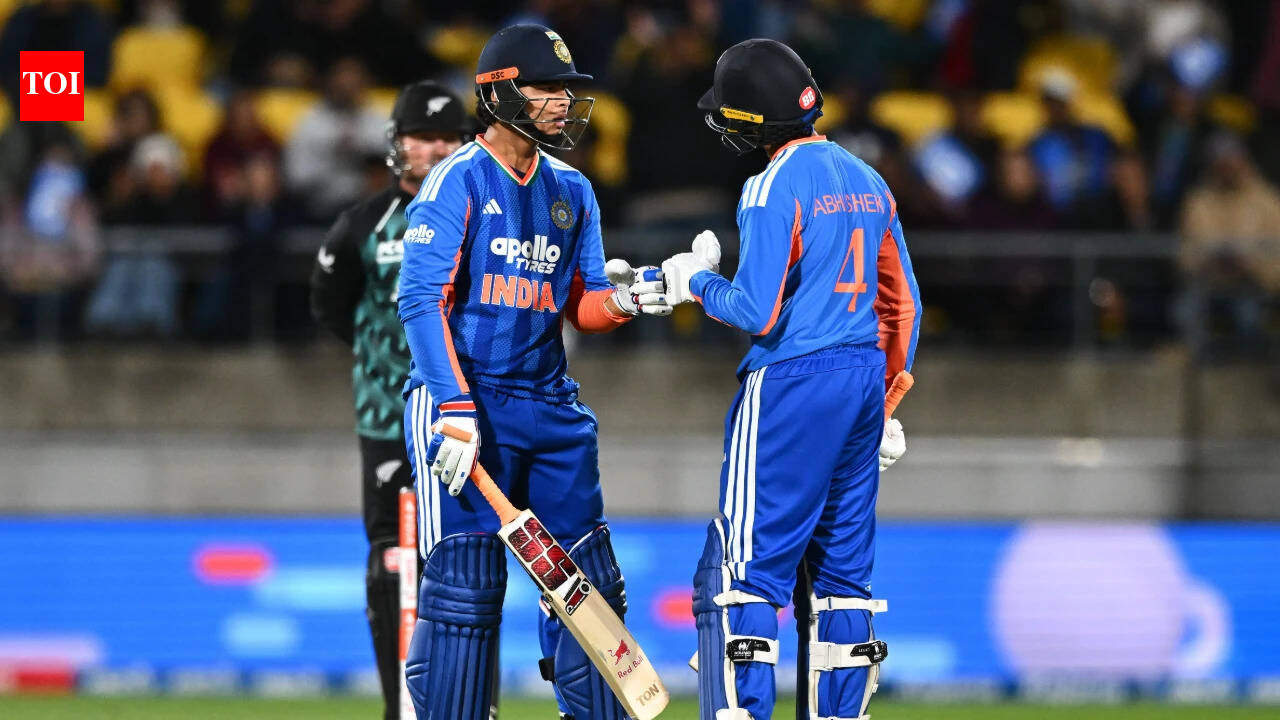
Former cricketer Aakash Chopra faced social media backlash after his pre-match prediction for India's T20I chase against New Zealand proved incorrect. India comfortably surpassed the 199-run target, highlighting the evolving nature of aggressive T20 batting strategies.
The Perils of Real-Time Analysis in the Social Media Era
The recent controversy surrounding former Indian opener Aakash Chopra serves as a poignant case study on the volatile intersection of sports punditry and social media discourse. Following India’s dominant display in the third T20I against New Zealand, where they chased down a daunting 199-run target in a mere 13.2 overs, Chopra became the focal point of intense online ridicule. His initial assessment—that a total exceeding 170 would prove difficult on the Wellington pitch—was rapidly dismantled by India's explosive batting performance, which saw the team reach 202/4.
The Context of Pitch Conditions and Tactical Predictions
Chopra’s caution was not entirely unfounded from a technical standpoint. During the New Zealand innings, he observed significant pitch movement, which typically signals a challenging surface for batters. In cricket analysis, such observations are standard procedure for commentators attempting to gauge the 'par score' of a venue. However, the rapid evolution of T20 cricket has seen teams adopt hyper-aggressive strategies that often render traditional pitch assessments obsolete, as seen when India made light work of what appeared to be a steep 199-run requirement.
The 'Worst' of Online Discourse
Following the match, Chopra addressed the backlash with a witty rebuttal, clarifying that his initial prediction was calibrated for a standard 10-over tactical window. His comment that such incidents 'bring the worst out of us' highlights a growing trend in digital sports consumption: the weaponization of punditry errors. Fans, emboldened by the anonymity of platforms like X, often prioritize the 'gotcha' moment over the nuanced reality of live-sport unpredictability, creating a toxic environment for analysts who are often required to make predictions in real-time.
The Shift in T20 Batting Dynamics
This event underscores a broader shift in international cricket. Modern T20 batting, exemplified by the performance of players like Vaibhav Sooryavanshi and Abhishek Sharma, is increasingly characterized by a 'no-fear' approach. When top-order batters maintain high strike rates from the first ball, traditional metrics for 'difficult' chases are frequently shattered. This creates a disconnect between the analytical frameworks used by former players and the current reality of ultra-aggressive batting lineups.
Implications for Future Sports Commentary
As the sport continues to evolve, the role of the commentator is becoming increasingly precarious. The demand for immediate, binary predictions leaves little room for the inherent volatility of T20 cricket. Pundits are now forced to navigate a landscape where a single miscalculation—driven by changing conditions—can lead to viral derision. This incident suggests that while data and pitch analysis remain vital, the 'expert' opinion is increasingly subject to the whims of a highly reactive digital audience that values outcome-based validation over process-based analysis.
Conclusion: A Lesson in Digital Resilience
Ultimately, the Wellington incident is a microcosm of the current sports media landscape. While Chopra’s analytical error provided fodder for trolls, it also highlighted the sheer brilliance of the Indian team's execution. For analysts and fans alike, the episode serves as a reminder that in the fast-paced world of T20, even the most seasoned experts can be caught off guard by the unpredictable brilliance of modern cricketers, and that navigating public criticism is now an inseparable part of the commentator's craft.