Hyrox athlete who soiled herself in race tells BBC she put others at risk but says backlash was traumatic
Source Entity
BBC News
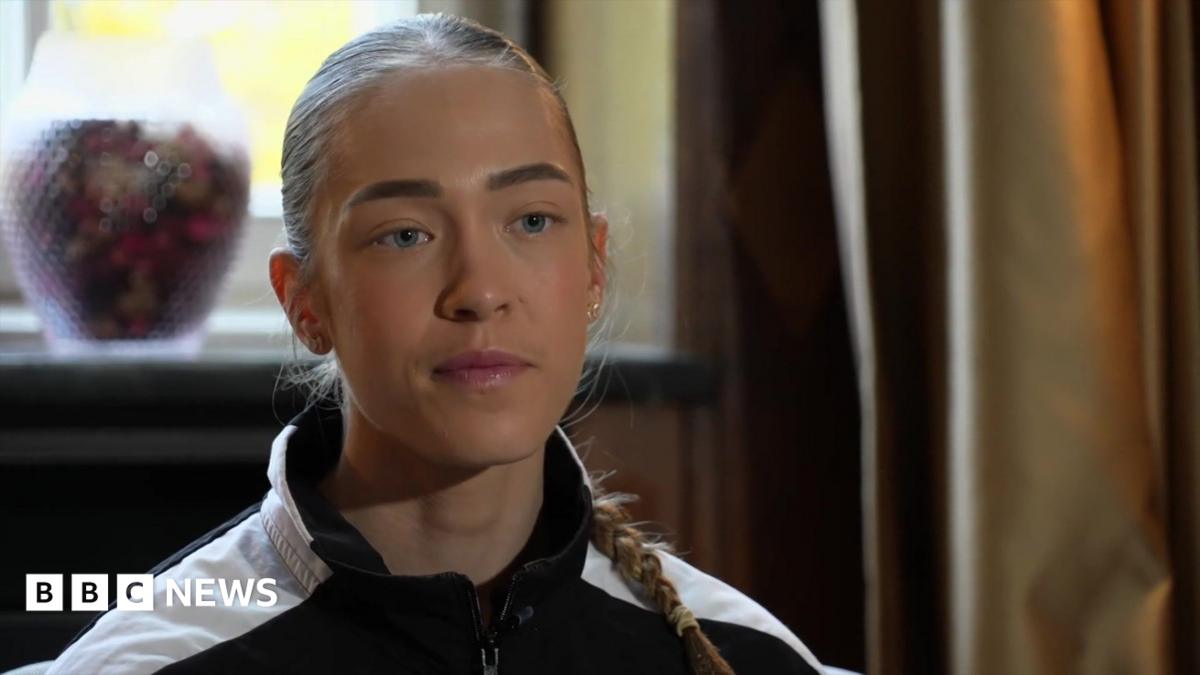
Athlete Joanna Wietrzyk has apologized for continuing to compete in a Hyrox race after soiling herself, acknowledging the risk she posed to others. Despite the public backlash, she is now preparing for a return to the sport.
The Intersection of Performance and Public Health in Endurance Sports
The Incident and Admission of Responsibility
The recent controversy surrounding Australian athlete Joanna Wietrzyk has ignited a necessary conversation regarding the ethics of professional endurance racing. During a Hyrox event in Beijing last September, Wietrzyk suffered a gastrointestinal accident but elected to continue the race. In a candid interview with the BBC, the 24-year-old world record holder acknowledged that her singular focus on victory resulted in a lapse of judgment that compromised the hygiene and safety of fellow competitors and spectators.
The Psychological Toll of Viral Backlash
Wietrzyk described the aftermath of the incident, which gained significant traction online, as "traumatic." The intense public scrutiny she faced highlights the often-brutal nature of digital age sports culture, where a momentary lapse in judgment can overshadow years of athletic achievement. Her admission that she considered leaving the sport entirely underscores the profound psychological impact that public shaming can have on high-performance athletes, even when their actions are objectively problematic.
Analyzing the 'Win-at-All-Costs' Mentality
The core of this issue lies in the extreme competitive nature of Hyrox, a global fitness racing series that pushes participants to their physiological limits. Wietrzyk’s admission that her determination to win "clouded her judgement" serves as a case study for sports psychologists studying elite performance. When the pressure to maintain a world-record pace is immense, the threshold for making rational decisions regarding health and social responsibility can be significantly diminished.
Broader Implications for Event Safety Protocols
This incident forces race organizers to reconsider the intersection of athletic ambition and public safety. While competitive drive is the hallmark of champions, it must be balanced with a duty of care toward other participants. Wietrzyk’s acknowledgment that she did not consider those around her serves as a reminder that sports are fundamentally social environments, and the physical integrity of the race environment must remain a priority for both athletes and governing bodies.
Future Trends and Path to Redemption
As Wietrzyk prepares for her return to the competitive stage, the sports community will be watching to see how she navigates her reputation. Her willingness to take full responsibility and offer a public apology is a critical first step in professional recovery. Moving forward, this case will likely influence how endurance sports organizations draft their participant conduct policies, ensuring that health-related incidents are handled with more transparency and immediate intervention to protect the integrity of the field.