AAP files complaint with ACB to probe ‘corruption’ in Delhi govt’s bicycle distribution scheme
Source Entity
Devansh Mittal
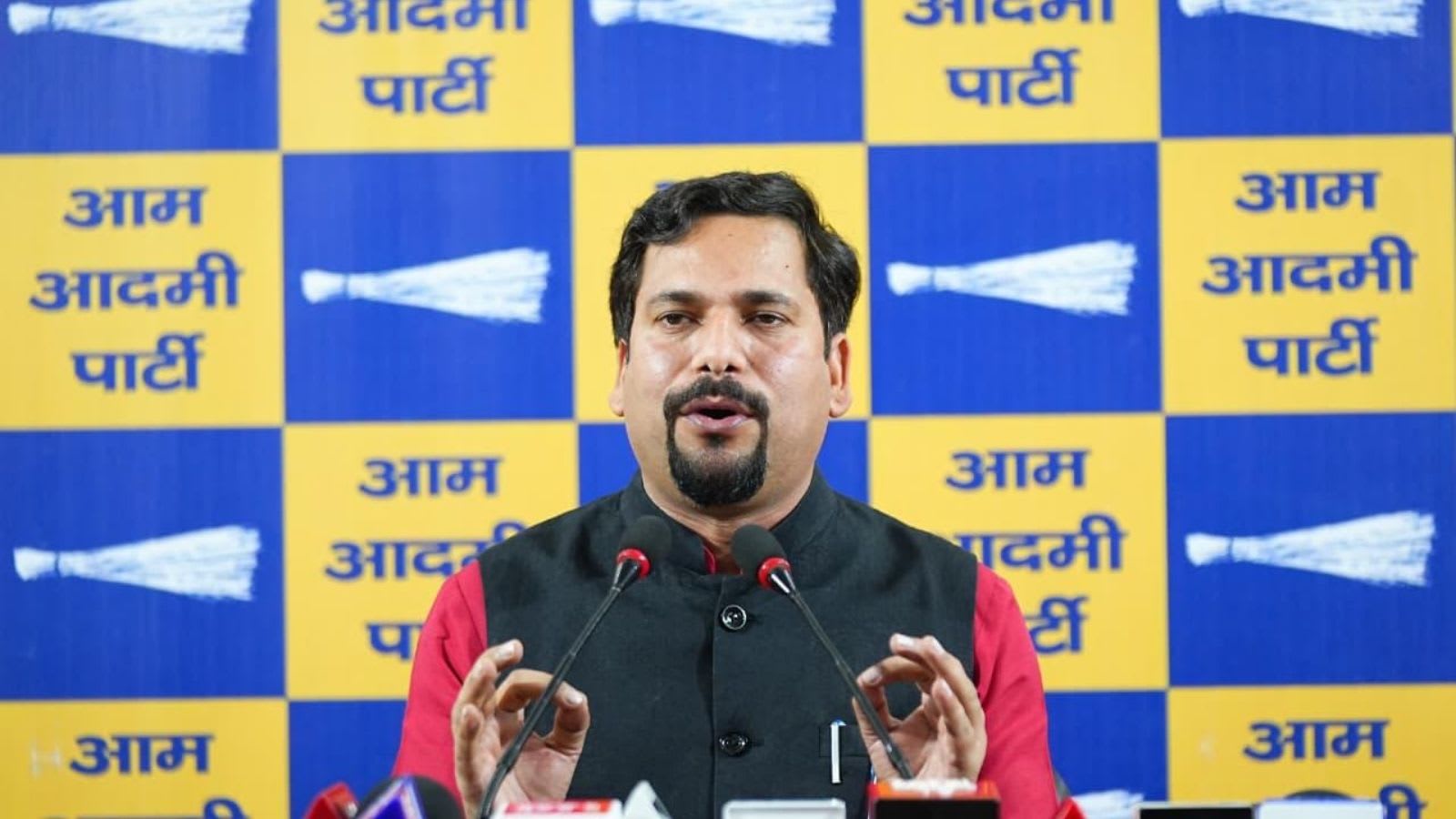
The AAP has filed a formal complaint with the ACB alleging corruption and bid-rigging in a ₹90-crore bicycle distribution scheme for Class 9 students. The party claims significant irregularities in the procurement process, while the government maintains the tender followed standard GeM protocols.
Allegations of Corruption in Delhi's Vidya Vahini Yojana
The political landscape in Delhi has intensified as the Aam Aadmi Party (AAP) has officially escalated its corruption allegations against the BJP-led Delhi government. Burari MLA Sanjeev Jha recently filed a formal complaint with the Anti-Corruption Branch (ACB) of the Delhi Police, demanding a criminal investigation into the procurement process of the 'Vidya Vahini Yojana.' This flagship initiative, designed to empower Class 9 girl students by providing them with bicycles, has now become the epicenter of a significant administrative and political dispute.
The Core Allegations: Bid-Rigging and Substitution
At the heart of the complaint is a ₹90-crore tender floated by the Directorate of Education (DoE). The AAP alleges that the procurement of 1,30,000 bicycles was marred by large-scale corruption, specifically citing instances of bid-rigging and product substitution. These claims suggest that the quality or specifications of the bicycles delivered may not align with the original tender requirements, potentially compromising the utility and safety of the assets meant for the students. The involvement of the ACB signals the AAP's intent to treat these administrative lapses as potential criminal misconduct rather than mere procedural errors.
Government Stance and GeM Protocol
In response to these serious allegations, Education Minister Ashish Sood has defended the integrity of the procurement process. The government maintains that the bidding was conducted through the Government e-Marketplace (GeM), a centralized public procurement portal designed to ensure transparency and competitive pricing. By adhering to the GeM framework, the administration argues that it followed the mandated protocols meant to eliminate human intervention and favoritism in government contracts.
Broader Implications for Public Schemes
This dispute highlights the friction between political oversight and bureaucratic execution in large-scale welfare schemes. When flagship projects like the Vidya Vahini Yojana face allegations of corruption, it risks undermining public trust in educational support programs. The outcome of the ACB probe will be critical, as it will determine whether the alleged irregularities were systemic failures or isolated incidents of non-compliance within the procurement chain.
Future Trends and Transparency
The tension surrounding this tender underscores a growing demand for greater accountability in digital procurement systems. As the ACB begins its investigation, the focus will likely shift toward auditing the specific vendor selection and the quality assurance reports of the bicycles delivered. If the probe finds merit in the AAP’s claims, it could lead to stricter oversight mechanisms for GeM-based tenders in the future, ultimately shaping how the Delhi government handles large-scale distribution projects to ensure that public funds effectively reach their intended beneficiaries.