JD Vance blames foreign labor and open borders for decline of US; netizens react: ‘H-1B is an America last program’
Source Entity
Latest News: Todays Latest News Headlines from India & World | Hindustan Times | Hindustan Times
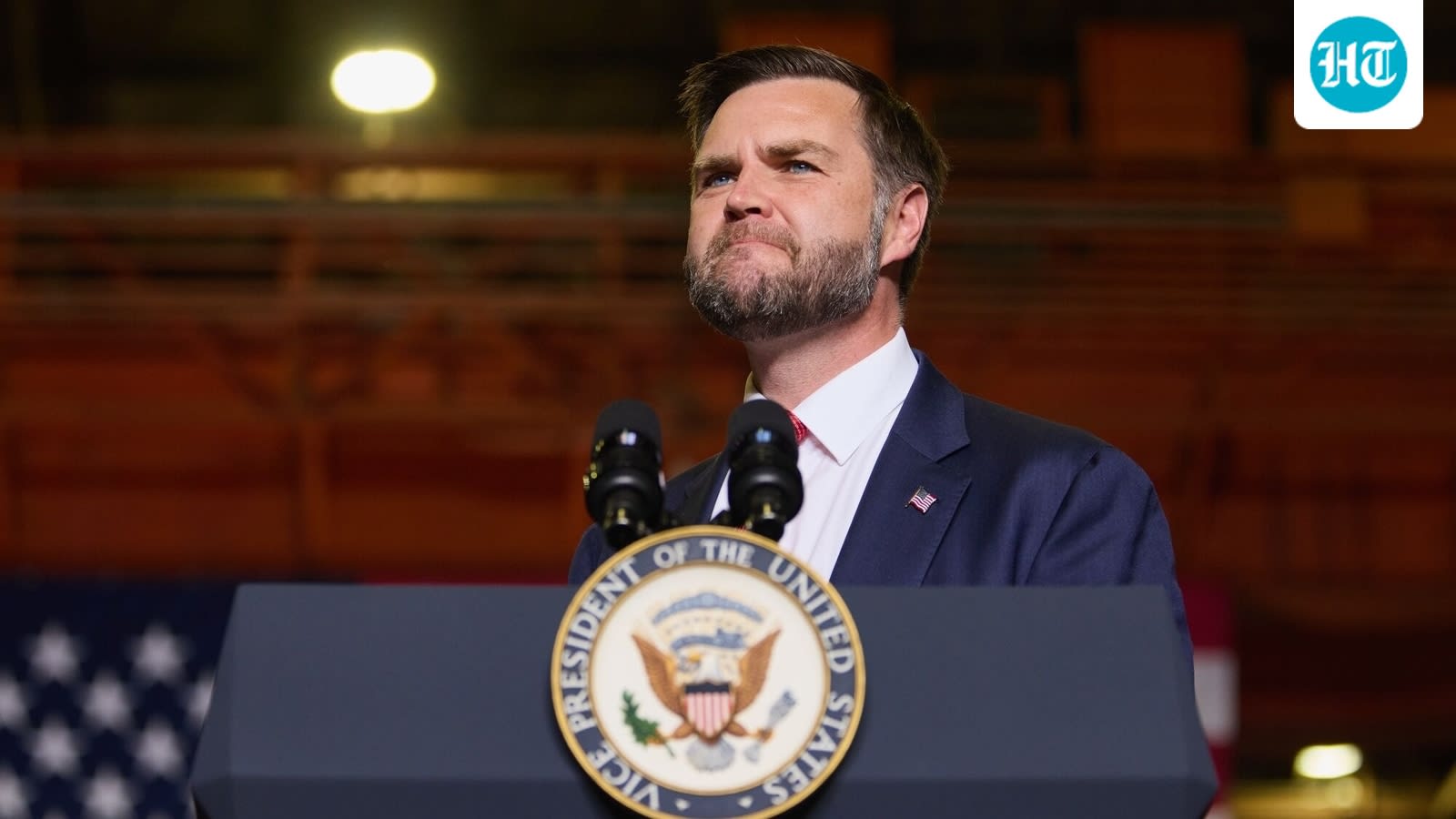
JD Vance recently criticized foreign labor policies and outsourcing, highlighting the tragic story of Kevin Flanagan. He argued that current immigration and labor practices negatively impact American workers and manufacturing.
The Intersection of Labor Policy and American Economic Anxiety
Vice President JD Vance recently delivered a pointed address in Middletown, Ohio, focusing on the systemic challenges facing the American workforce. His rhetoric centered on the perceived erosion of domestic manufacturing and the negative influence of foreign labor policies. By framing the current economic environment as a struggle between corporate outsourcing and the American worker, Vance sought to underscore the urgency of shifting national labor priorities toward protectionist measures.
The Human Cost of Corporate Outsourcing
Central to Vance’s argument was the harrowing case of Kevin Flanagan, a computer programmer whose experience serves as a rallying point for critics of current H-1B visa and outsourcing practices. According to Vance, Flanagan was presented with an ultimatum: either train his foreign-born replacement or forfeit his severance package. The narrative underscores a profound sense of indignity experienced by American professionals who are forced to facilitate their own obsolescence, a process that Vance claims culminated in the tragic death of Flanagan on his final day of employment.
Historical Context and Generational Decline
Vance’s address did not occur in a vacuum; he contextualized these modern grievances by reflecting on his own upbringing. He recounted stories from his school days in Ohio, where classmates witnessed the sudden loss of their parents' factory jobs as corporations moved operations overseas. This historical perspective is used to connect the contemporary struggle of IT professionals with the earlier wave of deindustrialization that hollowed out the American Rust Belt, suggesting a continuous pattern of corporate behavior that prioritizes cost-cutting over domestic stability.
The Debate Over H-1B and Foreign Labor
By characterizing the H-1B visa program as an 'America last' initiative, Vance tapped into a burgeoning sentiment among segments of the American electorate that view high-skilled immigration as a direct threat to domestic job security. The speech highlights a growing political divide regarding how the U.S. should manage its labor market in a globalized economy. Critics of his position argue that such programs are essential for innovation, while proponents of his view maintain that they suppress domestic wages and displace experienced workers.
Broader Political Implications and Future Trends
As the political discourse continues to evolve, the focus on 'training your replacement' has become a potent symbol of corporate betrayal in populist rhetoric. This narrative is likely to remain a cornerstone of debates surrounding immigration reform and labor protections. Future policy discussions will likely grapple with the tension between maintaining a competitive global technological edge and ensuring that American workers are not marginalized by the very systems designed to support economic growth. The persistence of these stories in the public consciousness suggests that the debate over foreign labor will remain a defining feature of the American political landscape for the foreseeable future.
Verification Required?