Aaradhya Bachchan case: Delhi HC asks if Bachchan family name's reputation 'flows down generationally'
Source Entity
Latest News: Todays Latest News Headlines from India & World | Hindustan Times | Hindustan Times
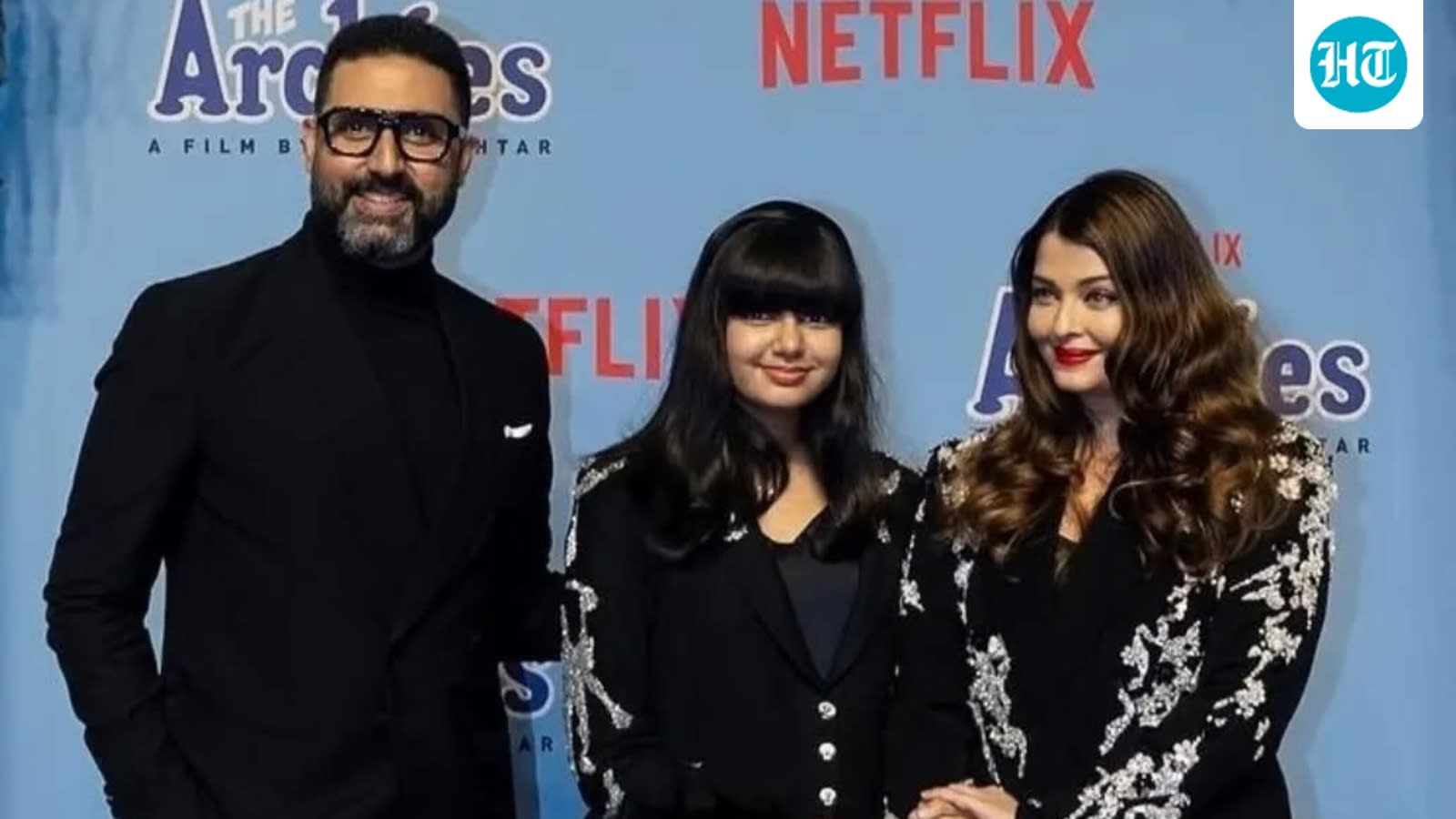
The Delhi High Court is examining the legal scope of personality rights for minors following a lawsuit filed by Aaradhya Bachchan against defamatory YouTube content. The case explores whether generational reputation warrants specific judicial protection against online misinformation.
The Legal Battle for Privacy: Aaradhya Bachchan vs. Digital Misinformation
In a landmark legal development, the Delhi High Court has begun deliberating on the protection of personality rights for minors in the digital age. The case, initiated by Aaradhya Bachchan—the daughter of prominent Bollywood actors Abhishek Bachchan and Aishwarya Rai Bachchan—centers on the proliferation of "absolutely false" YouTube content regarding her health and private life. This legal action serves as a critical test case for how Indian courts will address the intersection of celebrity status, the rights of children, and the unchecked spread of misinformation on social media platforms.
The Core Legal Questions
The judiciary's involvement highlights a growing concern over the weaponization of "fake news" against public figures, even those who have not yet reached the age of majority. During the proceedings, Justice Anup J Bhambhani raised profound questions regarding the nature of reputation, specifically querying whether the "Bachchan" family name carries a reputation that "flows down generationally." This inquiry touches upon the legal concept of inheritable personality rights and whether such a high-profile lineage grants an individual automatic protection against defamatory digital content.
The Impact of Malicious Content
The lawsuit was prompted by a series of baseless YouTube videos that falsely claimed the minor was seriously ill and hospitalized. Such content, often created to drive engagement through sensationalism, poses a significant risk to the safety and mental well-being of public figures. By seeking a court-mandated injunction, the Bachchan family is not only protecting a private individual but is also challenging the accountability of content creators who exploit the names of celebrities to manufacture viral, yet entirely fabricated, narratives.
Personality Rights and Digital Accountability
This case underscores the broader implications of personality rights in an era where digital footprints are permanent. Traditionally, personality rights protect an individual’s right to control the commercial use of their identity, image, and name. However, the Delhi High Court’s current analysis suggests a shift toward expanding these protections to include the right to be free from defamatory misinformation. The court's willingness to engage with these complex questions suggests that existing legal frameworks may soon evolve to provide more robust defenses for children of celebrities.
Future Trends and Judicial Precedent
The outcome of this case will likely set a significant precedent for digital media regulation in India. If the court establishes that generational reputation warrants specific legal intervention, it could force platforms like YouTube to implement more stringent content moderation policies regarding the depiction of minors. As the digital landscape continues to grow, the balance between freedom of expression and the fundamental right to privacy will remain a contentious issue, and this case provides a definitive focal point for that ongoing debate.
Conclusion
Ultimately, the Aaradhya Bachchan case represents a pivotal moment in the governance of online speech. By questioning the extent of personality rights and the responsibilities of platforms hosting defamatory content, the Delhi High Court is addressing the realities of 21st-century media. The resolution of this matter will likely define the parameters for how celebrities, families, and digital platforms navigate the delicate balance between public interest and personal privacy for years to come.
Verification Required?