‘Lot of rejections’: Farhan Akhtar on Hrithik Roshan, Abhishek Bachchan refusing Dil Chahta Hai
Source Entity
Alaka Sahani
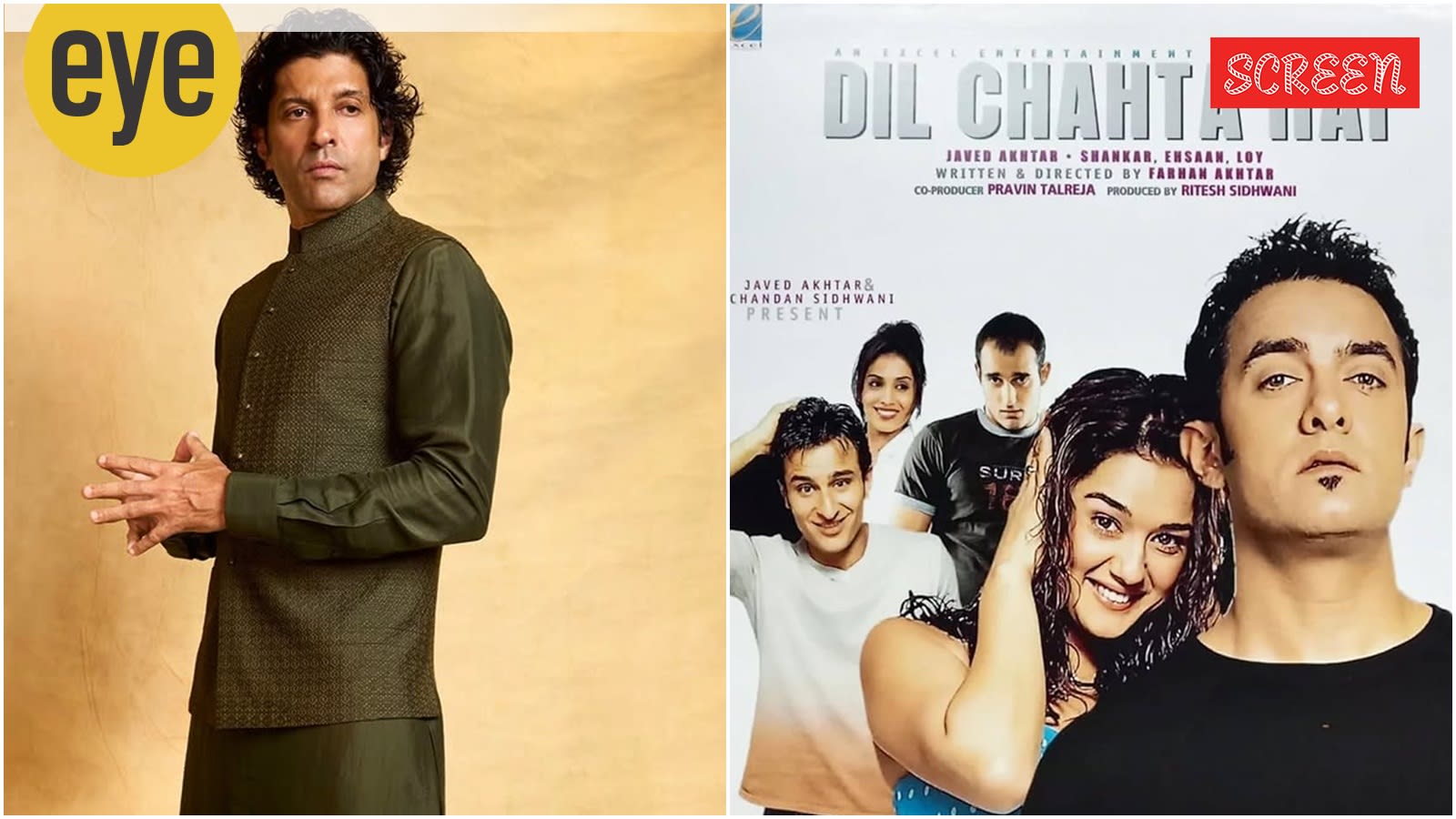
Farhan Akhtar reflects on the 25-year legacy of his directorial debut, Dil Chahta Hai, highlighting the casting challenges he faced. The film is widely credited with modernizing the portrayal of urban youth and friendship in Indian cinema.
A Quarter-Century of Dil Chahta Hai: Redefining Indian Cinema
Twenty-five years after its initial release on August 10, 2001, Dil Chahta Hai remains a watershed moment in the history of Indian cinema. As director Farhan Akhtar reflects on the film’s quarter-century milestone, it is clear that the project did more than just tell a story; it fundamentally altered the aesthetic and narrative language of mainstream Bollywood. By moving away from the melodramatic tropes that dominated the era, the film introduced a naturalistic style of dialogue and character development that resonated deeply with a changing Indian audience.
The Casting Hurdles
One of the most compelling revelations in Akhtar's recent reflections is the behind-the-scenes struggle to finalize the cast. The film’s eventual success—which cemented the careers of Aamir Khan, Saif Ali Khan, and Akshaye Khanna—was almost derailed by early resistance. Akhtar noted that several prominent actors, including Hrithik Roshan and Abhishek Bachchan, declined roles in the film. This historical anecdote serves as a reminder that even the most iconic cultural touchstones often face skepticism during their developmental phase, highlighting the role of intuition in creative direction.
Impact on Urban Representation
At its core, Dil Chahta Hai was revolutionary because it presented a version of urban India that felt authentic to its youth. Prior to 2001, depictions of friendship and modern life in Hindi cinema often felt stylized or detached from reality. Akhtar’s directorial debut bridged this gap by focusing on the nuances of male bonding, fashion, and the evolving aspirations of city dwellers. The film's influence can still be felt in the contemporary cinematic landscape, as it set a high bar for the 'buddy film' genre in India.
The Evolution of Farhan Akhtar
Looking beyond this debut, the trajectory of Farhan Akhtar’s career provides a fascinating study in versatility. Following the critical success of Dil Chahta Hai, Akhtar demonstrated his range through directorial ventures like Lakshya (2004) and the Don franchise (2006, 2011). His transition to acting in films such as Rock On!! (2008), Zindagi Na Milegi Dobara (2011), and his upcoming project 120 Bahadur (2025) showcases a sustained commitment to evolving his craft, proving that his initial instincts in 2001 were not a stroke of luck but the foundation of a prolific career.
Legacy and Future Trends
As we analyze the lasting impact of this film, it is evident that its success paved the way for a new wave of filmmakers who felt empowered to prioritize character-driven narratives over formulaic plot devices. The 'naturalistic' approach championed by Akhtar has become a staple of modern Indian cinema, influencing how directors approach dialogue and music. As Akhtar continues his journey with future projects, the lessons learned from the casting and creation of Dil Chahta Hai serve as a testament to the power of staying true to one's creative vision despite initial rejections.