'Over a billion of them': Abdul El-Sayed's reply to uncle over marrying an Indian
Source Entity
AADRITA HALDER
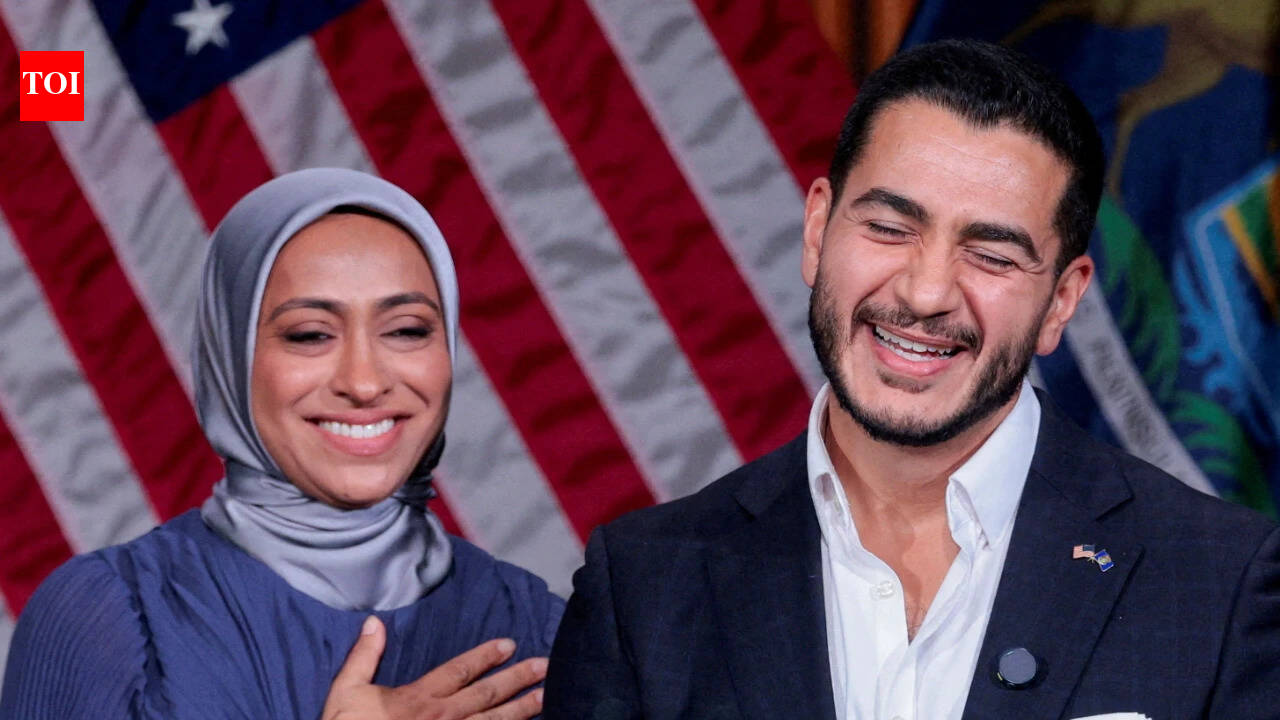
Democrat Abdul El-Sayed has made history as the first Muslim elected to the US Senate after defeating Republican Mike Rogers in Michigan. The victory is notable for his progressive platform and his family's personal ties to India through his wife, Dr. Sarah Jukaku.
A Historic Milestone in American Politics
The election of Abdul El-Sayed to the United States Senate from Michigan represents a watershed moment in American legislative history. As the first Muslim to ever hold a seat in the upper chamber of Congress, El-Sayed’s victory is not merely a political triumph for the Democratic Party, but a significant milestone for representation in a country that prides itself on its pluralistic identity. His defeat of Republican challenger Mike Rogers in a critical swing state underscores a shifting political tide in the Midwest, where voters prioritized his message of systemic reform over traditional partisan rhetoric.
The Platform: Healthcare and Accountability
El-Sayed’s campaign was anchored by a robust focus on universal healthcare and government accountability. A former public health official and trained physician, El-Sayed utilized his medical background to frame healthcare as a fundamental human right rather than a commodity. By emphasizing the struggles of everyday Americans, he successfully mobilized a diverse coalition of voters who felt alienated by the status quo. His victory serves as a testament to the efficacy of policy-centric campaigning, even in the face of intense national scrutiny and polarized political environments.
The Karnataka Connection
One of the most intriguing aspects of this election for international observers is the deep personal connection between the senator-elect and India. El-Sayed’s wife, Dr. Sarah Jukaku, a psychiatrist, maintains strong roots in Bhatkal, Karnataka. Her heritage is deeply respected, as she is the granddaughter of Jukaku Shamshuddin, a former deputy minister for finance in the erstwhile Mysore State. This trans-continental link has brought significant attention to the election from the Indian diaspora, as families in coastal Karnataka celebrate the success of a representative whose household values are deeply intertwined with their own regional history.
Overcoming Adversity and Rhetoric
The campaign was characterized by a particularly bitter tone, with El-Sayed frequently targeted by high-profile Republican figures, including President Donald Trump and Vice President JD Vance. Throughout the election cycle, El-Sayed faced Islamophobic attacks and public mockery regarding his name. His victory speech in Detroit, where he directly addressed these challenges, served as a powerful reclamation of his identity. By confronting this rhetoric head-on, he signaled a commitment to inclusivity and resilience that will likely define his tenure in the Senate.
Broader Implications for the Democratic Party
As a favorite of the Democratic Party’s progressive wing, El-Sayed’s win provides a strategic blueprint for future candidates. His ability to navigate a closely watched battleground state while maintaining a firm ideological stance suggests that voters are increasingly receptive to bold, progressive policies. His victory also suggests that the Democratic base is expanding to include voices that were previously underrepresented in the highest tiers of federal governance.
Looking Toward the Future
Looking ahead, Senator-elect El-Sayed faces the monumental task of transitioning from a grassroots campaigner to a federal legislator. His presence in the Senate will undoubtedly shift the discourse on issues ranging from civil rights to public health policy. As he prepares to represent Michigan’s diverse electorate, the eyes of the nation—and his family’s extended community in India—will be fixed on how he balances his progressive mandate with the institutional realities of the United States Senate.
Multiple Citing Sources