El-Sayed’s viral podcast clip on Egyptian uncle and Indian wife Sarah Jukaku
Source Entity
The Indian Express
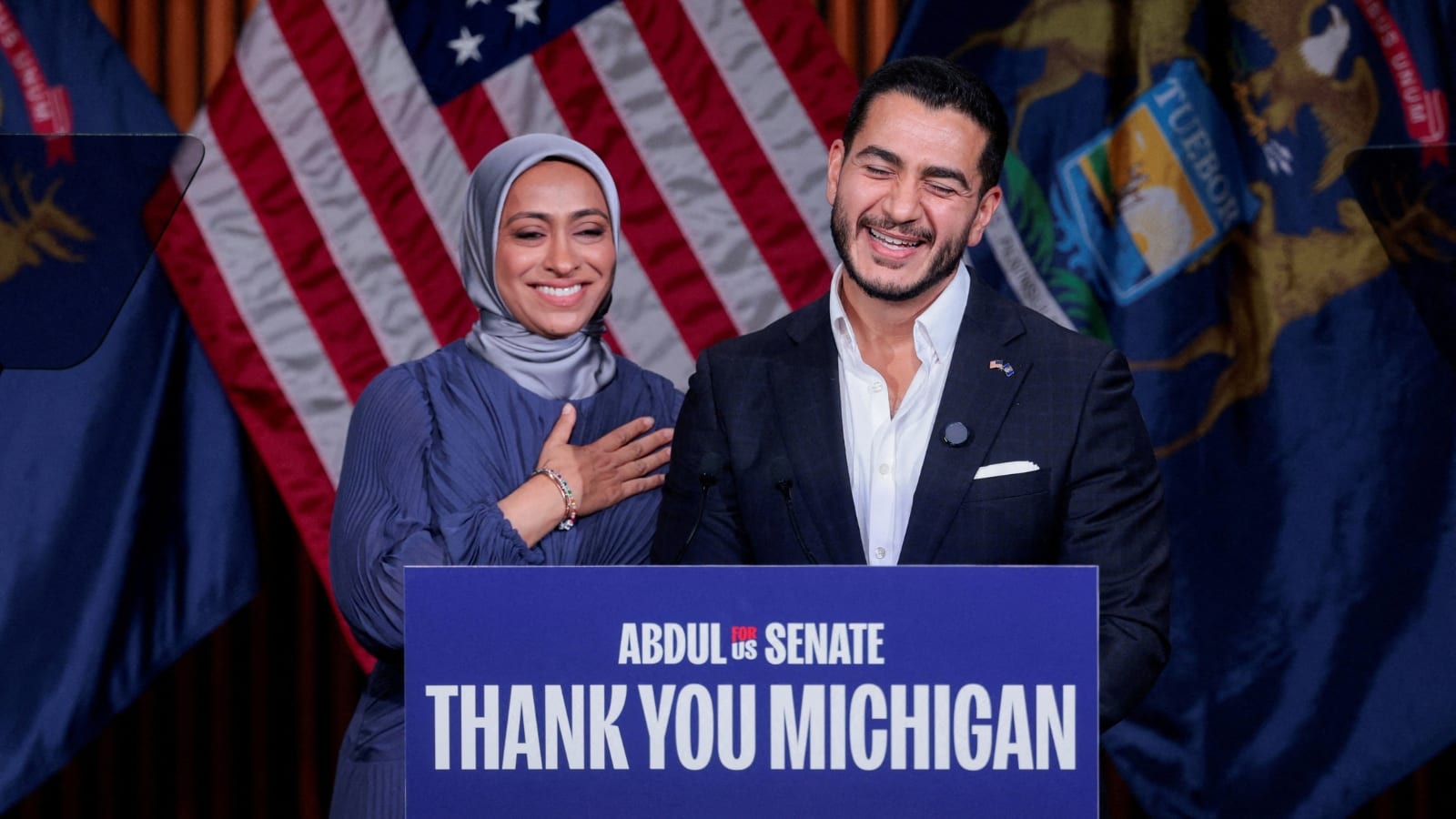
Abdul El-Sayed has made history as the first Muslim elected to the US Senate, defeating Republican Mike Rogers in Michigan. His victory highlights his progressive platform and deep personal connections, including his marriage to Dr. Sarah Jukaku, who has roots in Karnataka, India.
A Historic Milestone in American Politics
The election of Abdul El-Sayed to the United States Senate from Michigan represents a watershed moment in American legislative history. As the first Muslim to be elected to the upper chamber, El-Sayed’s victory signals a significant shift in the demographic and ideological representation within the US government. By defeating Republican Mike Rogers in a high-stakes, closely watched battleground state, El-Sayed has solidified his position as a prominent figure within the Democratic Party’s progressive wing, moving from his background as a public health official directly into national policy-making.
The Campaign Platform: Healthcare and Accountability
El-Sayed’s campaign was built upon a foundation of universal healthcare and rigorous government accountability. Having trained as a medical doctor, he brought a unique perspective to the political arena, often framing his policy goals through the lens of public welfare. His success suggests that his message—that "life in America shouldn't be this hard"—resonated deeply with a diverse Michigan electorate that has been grappling with economic uncertainty and systemic challenges. His victory serves as a validation of a campaign strategy that prioritized grassroots engagement over conventional political rhetoric.
The India Connection and Global Interest
Beyond the American political context, this election has garnered significant international attention, particularly in India. The senator-elect’s wife, Dr. Sarah Jukaku, is a psychiatrist whose family roots trace back to Bhatkal, Karnataka. She is the granddaughter of the late Jukaku Shamshuddin, a former deputy minister for finance in the erstwhile Mysore State. This familial link has created a bridge of pride and interest in coastal Karnataka, as residents follow the trajectory of a man who is now poised to shape US domestic and foreign policy, highlighting the globalized nature of modern political families.
Overcoming Adversity and Political Rhetoric
The path to the Senate was far from easy. El-Sayed faced a contentious primary against Congresswoman Haley Stevens before entering a bitter general election contest against Mike Rogers. Throughout the campaign, El-Sayed was subjected to intense scrutiny and, at times, vitriolic rhetoric. In his victory speech in Detroit, he addressed the challenges he faced during the campaign, specifically calling out President Donald Trump and Vice President JD Vance for their repeated criticisms, which included Islamophobic attacks and the mocking of his name. His ability to maintain a focus on his policy agenda while navigating these personal attacks marked a defining characteristic of his campaign.
Implications for the Future
As El-Sayed prepares to take his seat, his presence in the Senate is expected to influence debates on civil rights, religious freedom, and healthcare reform. His victory is not just a personal achievement but a symbolic victory for minority representation in the United States. Observers will be watching closely to see how he balances his progressive roots with the pragmatic demands of a closely divided Senate. His election serves as a case study for future candidates who aim to challenge the status quo through a platform of inclusivity and social justice.
Conclusion: A New Chapter
Abdul El-Sayed’s historic win in Michigan is a testament to the changing face of American democracy. By successfully bridging his personal heritage—from his Egyptian descent to his marriage into a prominent Indian family—with his commitment to the people of Michigan, he has charted a path that is both deeply personal and broadly impactful. As he transitions to his role in Washington, he carries the hopes of those who seek a more representative government and the scrutiny of those who oppose his progressive vision.
Multiple Citing Sources