‘What kind of arrogant government will not listen to kids?’: Actor Abhishek Banerjee joins protests in Goa
Source Entity
Pavneet Singh Chadha
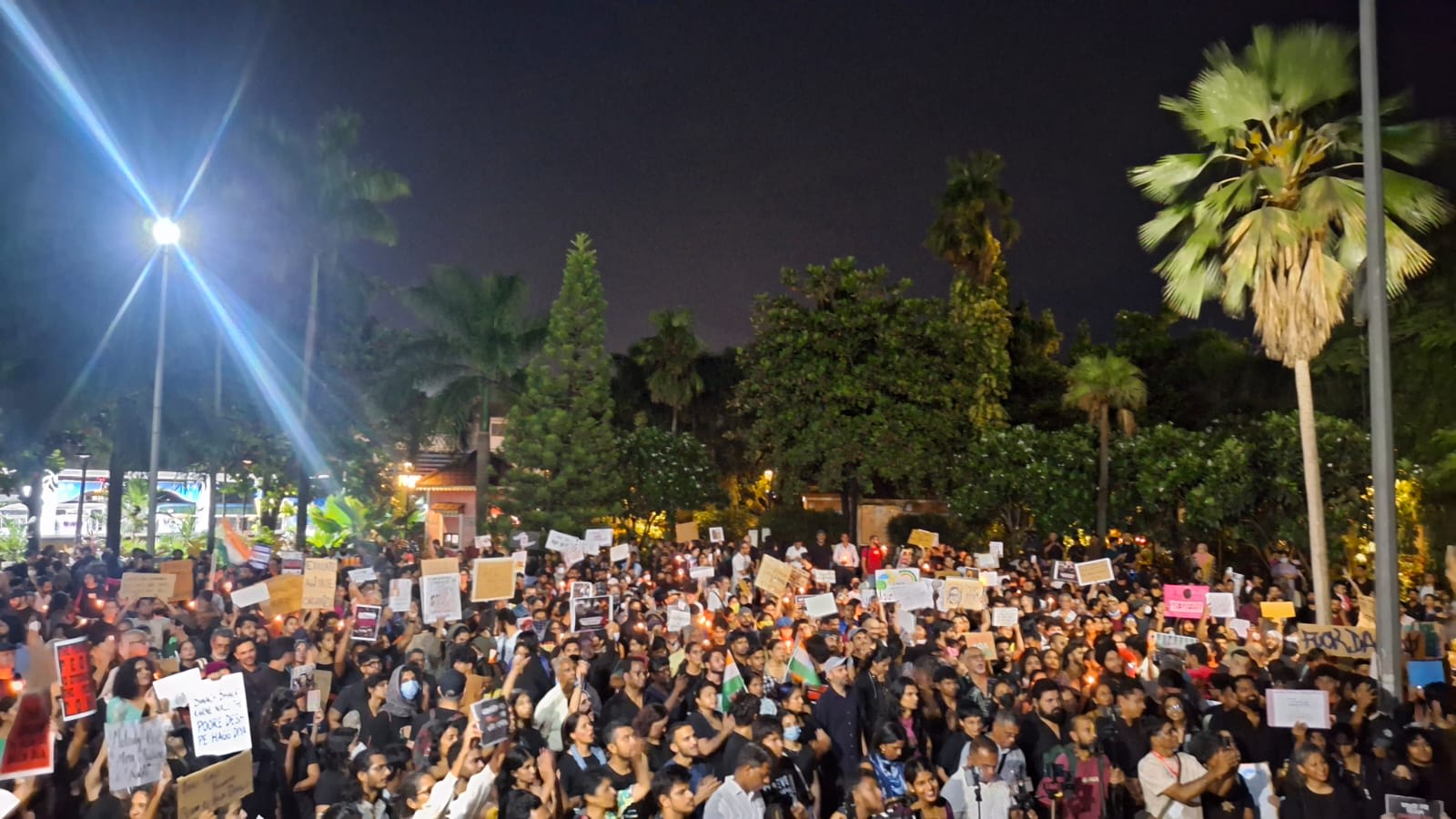
Actor Abhishek Banerjee joined protesters at Lohia Maidan in Goa to voice solidarity with the Cockroach Janta Party's demonstrations. He highlighted the growing nationwide youth unrest, challenging the government's perceived apathy toward public concerns.
Celebrity Engagement in Grassroots Protest
Bollywood actor Abhishek Banerjee, known for his performances in Stree and Paatal Lok, recently made a notable appearance at the Lohia Maidan in Mapusa, Goa. His participation in the protest, characterized by the traditional rallying cry of "Inquilab Zindabad," underscores a growing trend of public figures stepping out of the entertainment sphere to align themselves with grassroots political movements. By physically joining the hundreds of demonstrators, Banerjee shifted the narrative from local concern to national solidarity.
Solidarity with the Cockroach Janta Party
The protest in Goa was specifically organized to express support for the ongoing demonstrations being held by the Cockroach Janta Party (CJP) at Jantar Mantar in Delhi. This connection highlights the strategic effort of the CJP to decentralize their movement, moving beyond the capital city to ensure that their grievances resonate across state lines. Banerjee’s presence serves as a bridge, linking the specific demands of the Delhi-based group with the regional concerns of the Goan youth population.
Challenging the 'Laidback' Stereotype
During his address, Banerjee directly challenged the popular perception of Goa as a purely "laidback" tourist destination. He argued that this stereotype often obscures the genuine political angst and frustration felt by the local youth. By framing the protest as an indicator of widespread dissatisfaction, the actor sought to debunk the notion that Goa is immune to the socioeconomic pressures and political debates currently shaping the rest of India.
The Question of Government Accountability
At the heart of the protest was a sharp critique of the current administration. Banerjee’s provocative question—"What kind of arrogant government will not listen to kids?"—serves as a focal point for the movement's broader grievances. This rhetoric taps into a common sentiment among younger demographics who feel that their concerns regarding governance, policy, and future stability are being dismissed by those in power. The use of such language is designed to provoke public debate and force a response from government officials.
Future Implications and Trends
This event suggests that protest culture in India is becoming increasingly interconnected and geographically dispersed. As celebrities leverage their platforms to amplify the voices of smaller or newer political entities like the CJP, the ability of the state to contain or ignore these movements becomes increasingly difficult. We can expect to see more instances where regional protests are bolstered by national figures, effectively nationalizing local issues and creating a more cohesive, albeit decentralized, front against government policies.
Conclusion
The rally at Lohia Maidan represents more than just a single protest; it is a manifestation of the current political climate where the youth are demanding a seat at the table. By bridging the gap between Delhi’s Jantar Mantar and Goa’s Mapusa, protesters and their supporters like Abhishek Banerjee are effectively signaling that the current state of governance is under intense scrutiny. Whether this leads to concrete policy shifts remains to be seen, but the widening scope of these demonstrations indicates a significant shift in civic engagement.