Abhishek meets Om Birla, seeks early decision on disqualification of 20 rebel MPs
Source Entity
AMBIKA PANDIT
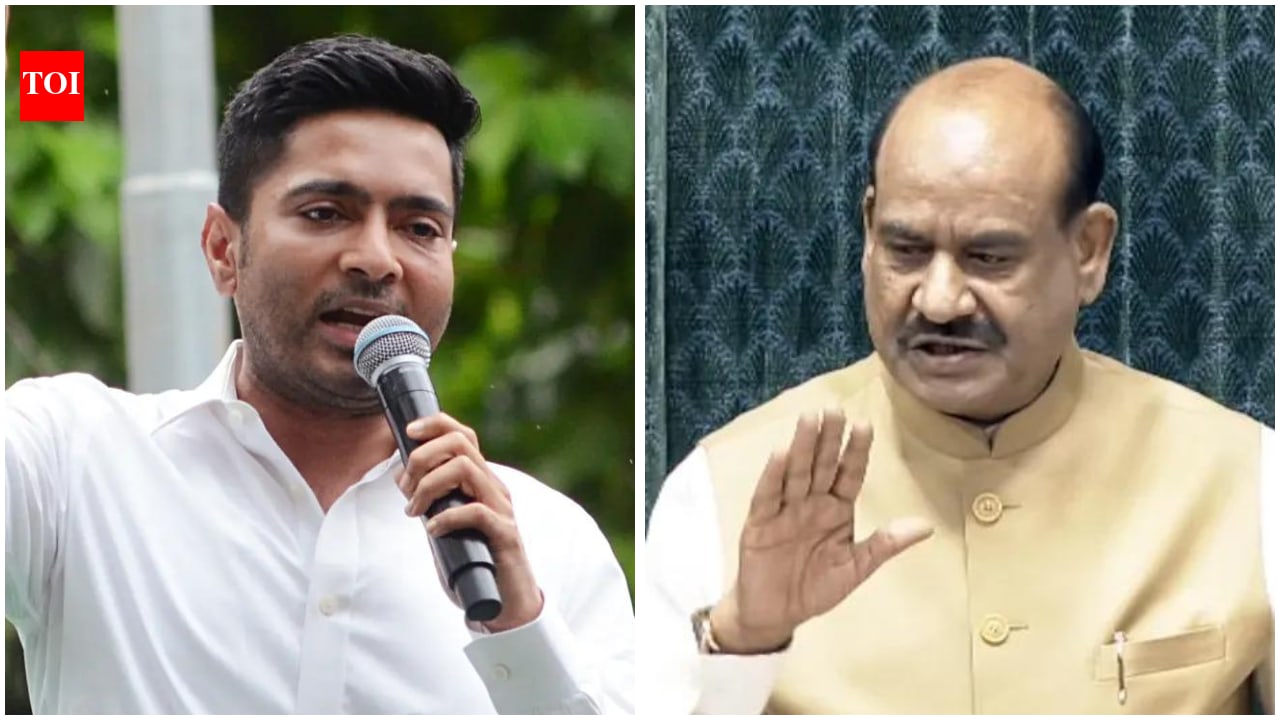
TMC leader Abhishek Banerjee met Lok Sabha Speaker Om Birla to demand the disqualification of 20 rebel MPs who joined the NCPI. The meeting also addressed concerns over parliamentary seating arrangements, though the Speaker provided no immediate resolution.
Tensions Escalate: TMC Challenges Rebel MPs in Parliament
In a significant political development, Trinamool Congress (TMC) general secretary Abhishek Banerjee held a high-stakes, 20-minute meeting with Lok Sabha Speaker Om Birla to address the deepening crisis regarding party discipline. The core of the dispute involves 20 Members of Parliament who were elected on the TMC ticket but have since aligned themselves with the National Citizens’ Party of India (NCPI). This meeting underscores the volatile nature of party loyalty and the procedural challenges inherent in the Indian parliamentary system.
The Disqualification Dilemma
At the heart of the controversy are the formal disqualification petitions submitted by the TMC. Banerjee has expressed profound frustration over the lack of progress, noting that more than five weeks have elapsed since the filings without the issuance of formal notices or the scheduling of hearings. The delay is not merely a bureaucratic hurdle; it represents a significant point of contention regarding the enforcement of the Anti-Defection Law, which serves as a cornerstone for maintaining political stability and preventing arbitrary floor-crossing by elected representatives.
Procedural Concerns and Seating Arrangements
Beyond the disqualification petitions, Banerjee utilized the meeting to advocate for a review of seating arrangements for TMC members. In the parliamentary hierarchy, seating is often symbolic of party strength and official recognition. By requesting a change, the TMC is attempting to assert its authority and ensure that its remaining loyalist members are positioned appropriately, effectively distancing them from the rebel faction that has defected to the NCPI.
The Speaker's Silence
Perhaps the most telling aspect of the encounter was the reported lack of a clear response from Speaker Om Birla. As the constitutional authority within the Lok Sabha, the Speaker’s role in adjudicating disqualification petitions is pivotal. The absence of a commitment to act suggests a complex legal and political environment where the Speaker must balance procedural fairness with the intense pressures exerted by competing political factions.
Broader Political Implications
The standoff reflects a wider trend of internal party fracturing and the subsequent struggle for legitimacy within the legislature. The TMC’s aggressive pursuit of these petitions indicates a strategy to reclaim control over its legislative narrative and penalize those who have shifted their allegiances. If the Speaker eventually moves to disqualify these 20 members, it could trigger a series of by-elections, significantly altering the composition of the House and the power balance between the TMC and the NCPI.
Future Outlook
Looking forward, the resolution of this issue will likely set a precedent for how the Speaker handles future defection claims. If the current stagnation continues, the TMC may be forced to escalate its protest, potentially leading to further disruptions in parliamentary proceedings. The outcome will not only impact the internal dynamics of the TMC but also serve as a litmus test for the independence and efficiency of the Office of the Speaker in resolving high-stakes political disputes.
Multiple Citing Sources