'I just found all the classified stuff downstairs' - Biden to ghostwriter
Source Entity
BBC News
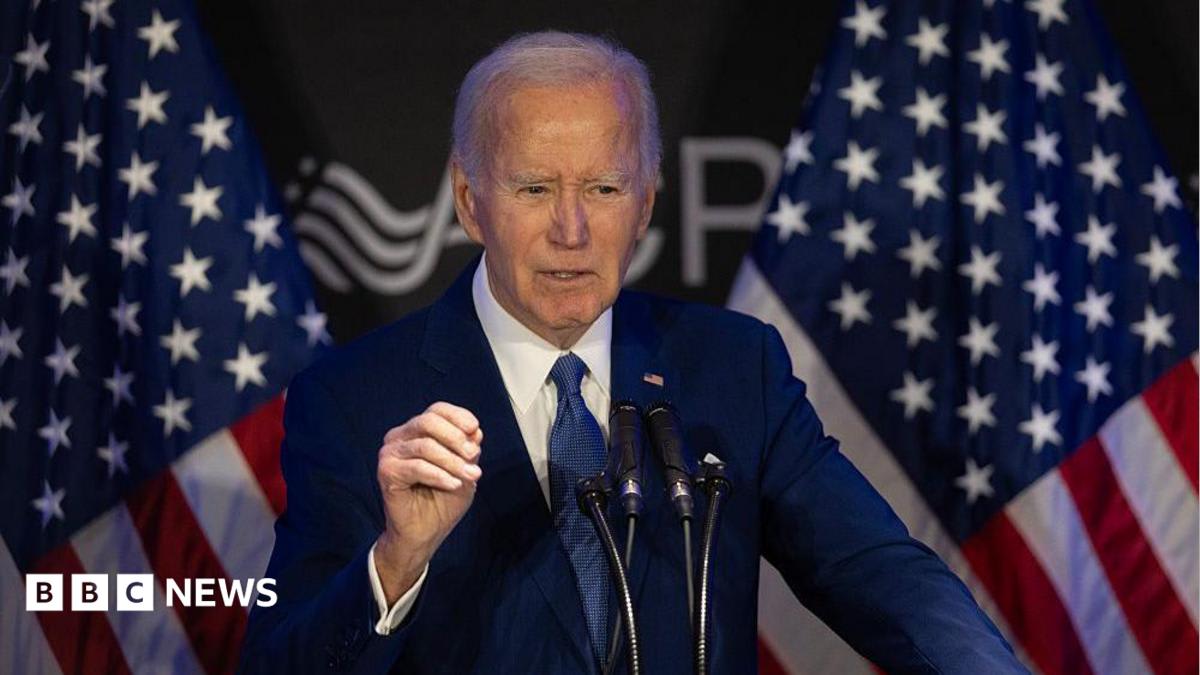
Audio recordings from 2017 reveal President Biden acknowledging the possession of classified materials to his ghostwriter. The release of these tapes, long protected by the administration, has sparked intense political scrutiny regarding executive record-keeping.
The Disclosure of Classified Audio Recordings
Recent developments in Washington have brought to light audio recordings featuring President Joe Biden discussing the possession of classified materials. These tapes, captured during interviews with his ghostwriter for the 2017 memoir Promise Me, Dad, feature a specific admission from Biden: "I just found all the classified stuff downstairs." This statement, recorded in February 2017 shortly after he concluded his tenure as Vice President, has become the centerpiece of a significant political and legal controversy.
The Path to Public Disclosure
The release of these recordings follows a prolonged legal battle initiated by House Republicans and the conservative nonprofit, the Oversight Project. Having previously fought to keep the recordings private, the administration ultimately faced mounting pressure as the tapes were handed over as part of a 2024 Justice Department probe. The decision to release these materials to the public marks a pivotal moment in the ongoing scrutiny of how former executive branch officials handle sensitive government documents after leaving office.
Contextualizing the 2017 Timeline
The timing of the recordings—just one month after Biden exited the White House in 2017—is critical to the current investigation. By capturing the moment Biden allegedly discovered the records in his private residence, the audio provides a direct, albeit controversial, look into the transition period of an outgoing official. This temporal proximity to the end of his vice-presidential term is at the heart of the inquiry regarding the security protocols and legal obligations governing the storage of classified intelligence outside of secure government facilities.
Political and Legal Implications
The political fallout is multifaceted. For House Republicans, the tapes serve as evidence to challenge the administration's narrative regarding the handling of sensitive materials. Conversely, the administration and its spokespeople, including TJ Ducklo, have characterized the release as a politically motivated maneuver. This clash highlights the increasing weaponization of record-keeping investigations, where the technicalities of document management are leveraged to influence public perception and legislative oversight.
Challenges of Memory and Accountability
Beyond the logistical issues of document storage, the recordings have reignited discussions concerning the President's memory and cognitive awareness during the interview process. The juxtaposition of the admission about classified documents with reports of memory gaps during the interviews has fueled partisan debate. These elements collectively contribute to a complex narrative that questions both the security of the nation's classified assets and the internal processes of the executive office.
Future Trends in Executive Oversight
Looking forward, this event is likely to set a precedent for how future administrations manage their exit processes and document archives. The legal standard established by this Justice Department probe and the subsequent release of evidence suggests that the threshold for privacy regarding post-office records is narrowing. As government transparency initiatives gain traction, the standard for how former officials are held accountable for sensitive materials found in private settings will remain a contentious and evolving landscape in American governance.