Delhi Confidential: Stay Away
Source Entity
The Indian Express
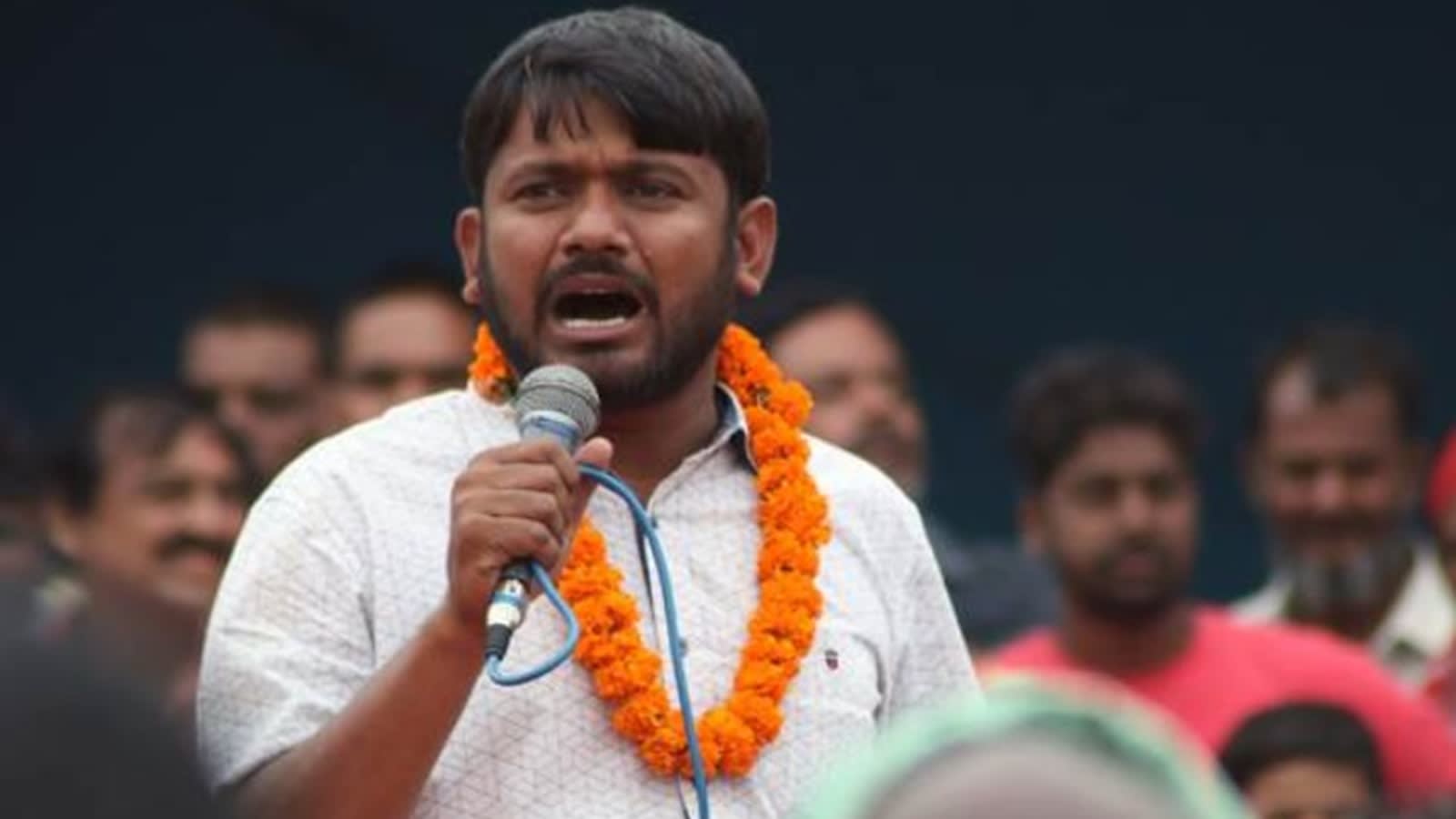
Congress leader Kanhaiya Kumar faced a public altercation at Kerala House in Delhi after being denied a room. The incident, involving police intervention, has sparked significant political chatter given his status as a CWC member.
The Kerala House Altercation: A Political Embarrassment
An Unfolding Conflict at the Capital
Recent reports confirm that Congress leader and Congress Working Committee (CWC) member Kanhaiya Kumar was involved in a public dispute at Kerala House in New Delhi. The incident occurred when Kumar arrived at the facility, claiming that a friend had secured a room booking on his behalf. Upon arrival, he was informed by staff that the premises were at full capacity, leading to a refusal of his accommodation request.
Escalation and Police Intervention
What began as a request for lodging quickly devolved into a verbal altercation between Kumar and a senior official at Kerala House. The situation escalated to the point where the official felt compelled to contact local law enforcement to resolve the standoff. Upon their arrival, police officers requested that Kumar vacate the premises, a directive with which he complied, effectively ending the confrontation but leaving a trail of questions regarding the nature of the booking and the conduct of the parties involved.
Political Implications and Party Dynamics
The optics of this event are particularly striking given the current political climate. Kerala House is a state-run facility, and the state of Kerala is currently governed by an administration that, while distinct from the central Congress party leadership, operates within the broader national political landscape. The fact that a prominent CWC member was turned away from a government facility—one that typically serves state representatives and associated political figures—has fueled speculation regarding internal coordination and protocol failures.
Protocol and Administrative Hurdles
At the heart of the matter lies the issue of administrative protocol. Kerala House, like many state guest houses in the capital, operates under strict occupancy guidelines. The refusal of a room on the basis of "occupancy" suggests either a genuine lack of space or a breakdown in the communication channels regarding the purported "friend's" booking. For a high-profile politician like Kanhaiya Kumar, being denied entry is not merely a logistical inconvenience; it serves as a public signal of a disconnect between his office and the state-managed infrastructure.
Broader Context and Future Trends
This incident highlights the complexities faced by national-level leaders when navigating state-run hospitality facilities in New Delhi. As the Congress party continues to manage its internal hierarchies and external state relationships, incidents like these serve as reminders of the importance of adherence to bureaucratic procedures. Moving forward, it is likely that political parties will place greater emphasis on vetting guest house protocols to avoid such public embarrassments, which can be easily leveraged by political opponents to paint a picture of disorganization or entitlement.
Conclusion
While the altercation at Kerala House may seem like a minor procedural dispute, its resonance within political circles is undeniable. By involving police intervention, the event transitioned from a private inquiry into a public spectacle. The incident remains a significant talking point, illustrating the intersection of individual political stature and the rigid, often unforgiving, nature of administrative bureaucracy in India’s capital.