NCPI MPs attend their first NDA Parliamentary party meet
Source Entity
India Latest News: Top National Headlines Today & Breaking News | The Hindu
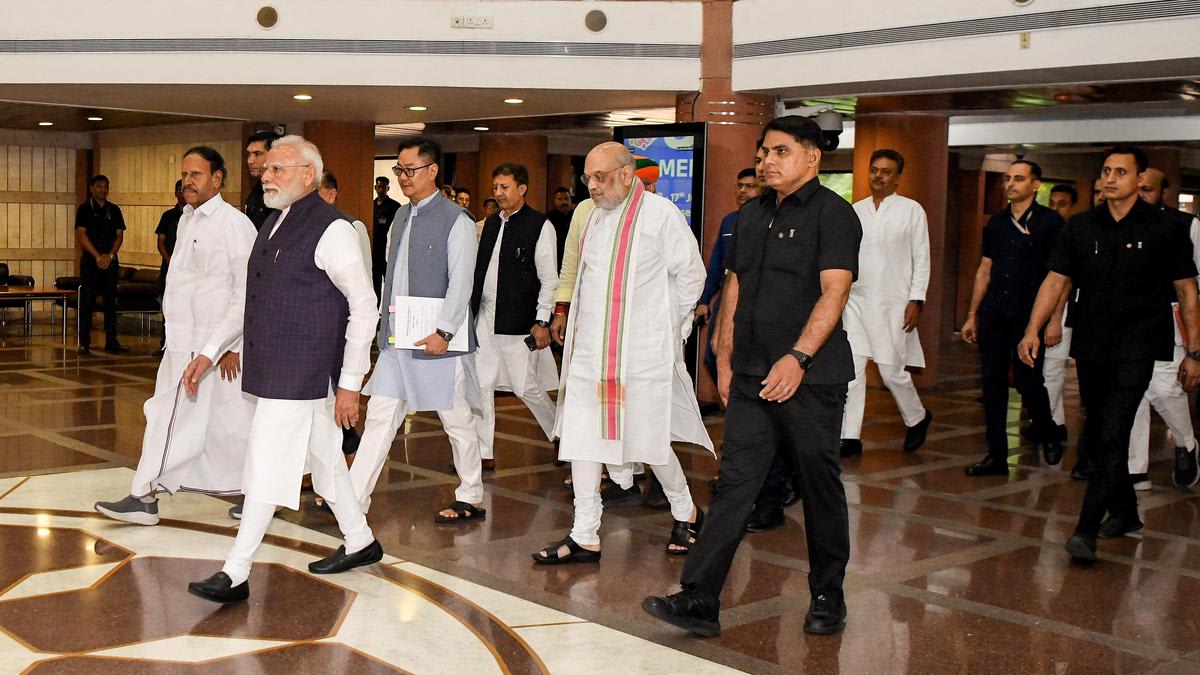
Twenty Lok Sabha MPs who defected from the TMC to join the NCPI attended their first NDA parliamentary meeting. This significant political shift aligns the group with the BJP-led alliance, though official parliamentary recognition remains pending.
A Significant Political Realignment
The landscape of the Lok Sabha witnessed a tectonic shift on July 28, 2026, as a group of 20 Members of Parliament, formerly affiliated with the Trinamool Congress (TMC), attended the National Democratic Alliance (NDA) parliamentary meeting for the first time. This event marks a critical juncture in the current legislative session, signaling a formal realignment of these lawmakers with the BJP-led coalition under the banner of the newly formed Nationalist Citizens Party of India (NCPI).
The Mechanics of Defection and Alliance
The departure of these 20 MPs represents a substantial fracture within the TMC's parliamentary strength. By joining the NCPI and subsequently pledging allegiance to the NDA, these legislators have effectively moved from the opposition bench to the government's support base. The visibility of this transition was cemented by their presence alongside Prime Minister Narendra Modi and senior Union Ministers at the Parliament House complex, underscoring the strategic importance the ruling coalition places on this influx of political capital.
Challenges of Parliamentary Recognition
Despite the political alignment, the transition is currently stalled by administrative hurdles. While the defecting MPs have begun sitting separately from their former TMC colleagues in the Lok Sabha, Speaker Om Birla has yet to grant the NCPI formal recognition as a distinct parliamentary entity. This procedural delay introduces a layer of legislative uncertainty, as the status of these members—and their ability to function as a formal block within the House—remains subject to the Speaker's final adjudication on anti-defection norms and party registration rules.
Leadership and Strategic Outreach
Key figures within the NCPI are already engaging in high-level diplomacy to solidify their new position. The meeting between prominent NCPI leader Sudip Bandyopadhyay and Prime Minister Narendra Modi is indicative of the direct lines of communication now established between the defectors and the BJP leadership. Such high-level engagement suggests that the NCPI is being integrated into the NDA's broader legislative strategy, potentially shifting the balance of power during critical votes.
Broader Implications for the Opposition
This mass defection poses a severe challenge to the TMC, potentially diminishing its influence and bargaining power within the Lok Sabha. The movement of 20 MPs is not merely a numbers game; it fundamentally alters the opposition's ability to coordinate and present a united front against the government. If the NCPI receives official recognition, the NDA will see a direct increase in its voting strength, further insulating the government from potential legislative setbacks.
Future Trends and Political Outlook
Looking ahead, the political future of the NCPI will depend heavily on the Speaker's ruling. Should they be recognized, they may play a pivotal role in the NDA's legislative agenda for the remainder of the term. Conversely, if the process faces legal or procedural challenges, it could lead to prolonged instability for these MPs. The evolution of this group will be a key indicator of how regional political factions continue to gravitate toward the center-right coalition as the political climate grows increasingly polarized.
Verification Required?