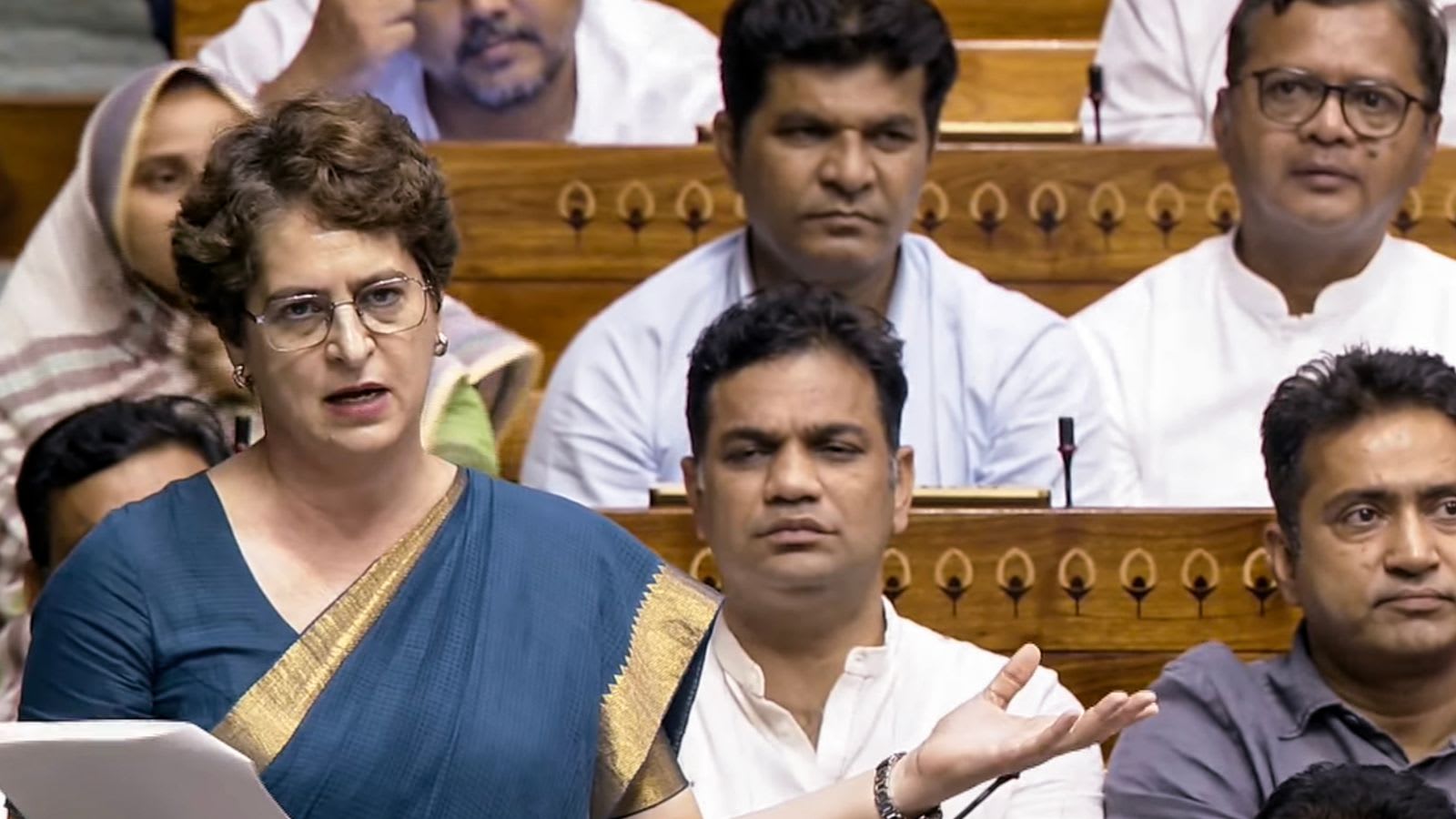
‘Welcomed him as if he were a superstar’: Priyanka Gandhi slams BJP MPs for felicitating Pradhan
Source Entity
The Indian Express
The Cockroach Janta Party has ended its Jantar Mantar protest following the government's acceptance of key demands regarding the NEET controversy. The resolution coincides with a major administrative overhaul at the NTA and the implementation of stricter anti-paper leak legislation.
The Resolution of the NEET Protest Crisis
The recent conclusion of the protest at Jantar Mantar marks a significant turning point in the ongoing controversy surrounding the National Eligibility cum Entrance Test (NEET). Following three rounds of intense negotiations between the Cockroach Janta Party (CJP) and the central government, an agreement was reached on July 25, 2026. This resolution effectively ends a period of civil unrest that saw students and activists demanding accountability for systemic failures in the examination process.
Administrative Accountability and NTA Overhaul
Central to the government's response has been a massive restructuring of the National Testing Agency (NTA). The sacking of 47 officials signals a move toward institutional reform, with some individuals now facing potential criminal action. This purge is a direct response to the allegations of paper leaks and administrative negligence that have plagued the agency, reflecting a desperate need to restore public trust in the national examination infrastructure.
The Human Cost and Political Pressure
The urgency of these reforms was underscored by the tragic death of a 19-year-old NEET aspirant, identified as Ankita, who died by suicide on Saturday. Her death serves as a harrowing reminder of the immense psychological pressure placed upon students within the competitive medical entrance framework. This tragedy amplified the political pressure on the Modi-led administration, forcing a faster cadence in both policy reform and negotiation with protesters.
Legislative and Judicial Interventions
Beyond administrative sackings, the government has moved to secure a legislative fix by approving a tougher anti-paper leak law. This legislative pivot aims to provide a long-term deterrent against the malpractice that has historically compromised the integrity of competitive exams. Concurrently, the Supreme Court remains involved, having scheduled hearings regarding police action against protesters, ensuring that the legal ramifications of the demonstrations are scrutinized at the highest level.
Terms of the Settlement
The agreement brokered by CJP spokesperson Ashutosh Ranka includes three core concessions: the withdrawal of all FIRs against protesters and organizers, a moratorium on future litigation against them, and a compensation package of ₹1 crore for the families of affected students. While the demand for the resignation of Union Education Minister Dharmendra Pradhan remained a point of friction, the government's commitment to these other demands facilitated the immediate cessation of the Jantar Mantar demonstrations.
Future Implications for Competitive Exams
Looking forward, the success of this protest movement sets a precedent for how future examination scandals may be handled. The combination of grassroots activism and high-level government intervention suggests that the era of 'business as usual' for testing agencies is over. The coming months will be critical in observing whether these administrative changes lead to a measurable increase in security and fairness for the millions of students participating in India's high-stakes entrance examinations.
Multiple Citing Sources