Centre Proposes 3-Year Validity For Vehicle Pollution Certificates: Who Benefits?
Source Entity
NDTV News Search Records Found 1000
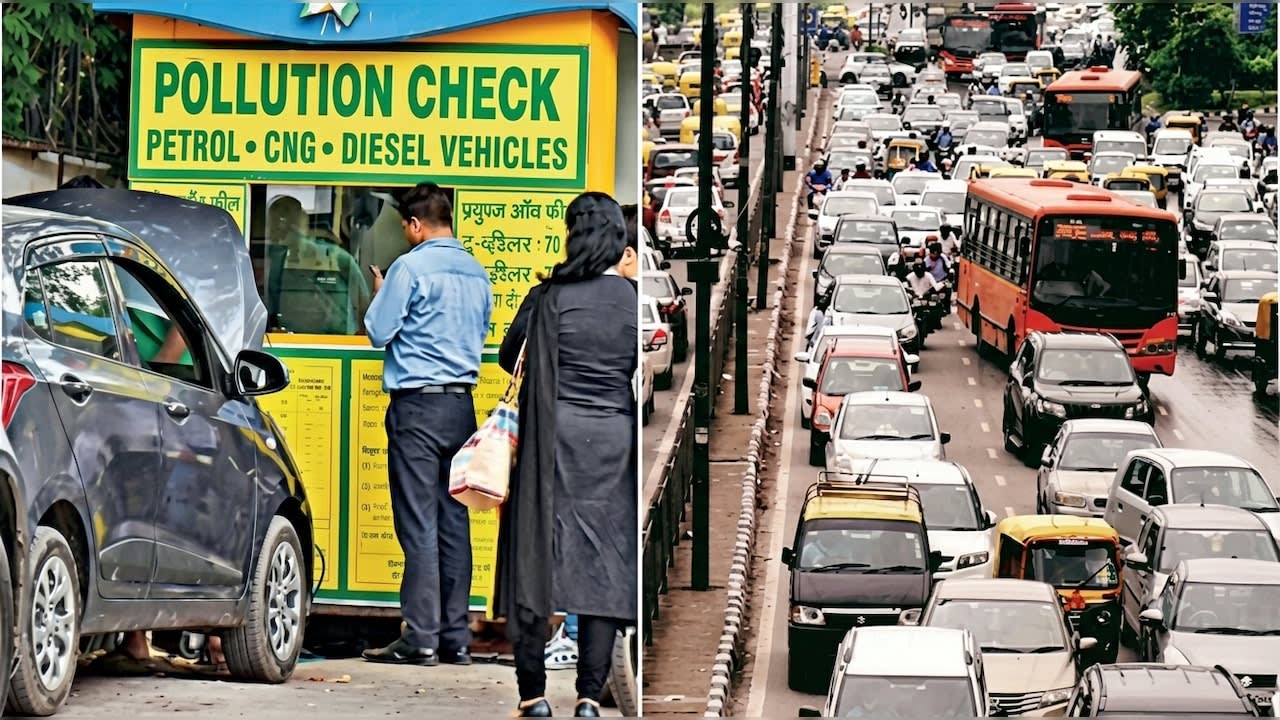
The Indian government has proposed extending the validity of Pollution Under Control Certificates (PUCC) to three years for newer BS-VI private vehicles. This policy shift aims to reduce administrative burdens for owners of modern, lower-emission vehicles.
Evolution of Vehicle Emission Oversight in India
The Indian government's proposal to extend the validity of Pollution Under Control Certificates (PUCC) for private BS-VI vehicles to three years marks a significant shift in how the nation manages vehicular emissions. By focusing on vehicles up to six years old that adhere to the stringent Bharat Stage VI (BS-VI) norms, the Ministry is acknowledging the technological leap represented by these modern engines. This policy acknowledges that newer vehicles, designed with advanced emission control systems, maintain lower pollution profiles for longer durations, necessitating a recalibration of periodic inspections.
The Technological Rationale Behind the Shift
The transition to BS-VI emission standards was a massive undertaking for the Indian automotive industry, requiring significant investment in engine design and exhaust after-treatment systems. Because these vehicles are equipped with sophisticated catalytic converters and sensors that continuously monitor and manage emissions, the likelihood of a sudden, drastic failure in emission compliance within the first few years of ownership is statistically lower than in older vehicle generations. This proposal reflects a data-driven approach, moving away from a 'one-size-fits-all' testing frequency toward a system that respects the engineering reliability of contemporary automobiles.
Impact on Vehicle Owners and Administrative Efficiency
For the average private car owner, this change offers a tangible reduction in the bureaucratic friction associated with vehicle maintenance. Requiring a fresh PUCC only once every three years instead of the current, more frequent cycles will save time and reduce the administrative burden on citizens. Furthermore, this adjustment helps streamline the workload at testing centers, allowing resources to be better allocated toward monitoring older vehicles that are statistically more likely to exceed emission thresholds.
Balancing Environmental Goals and Public Convenience
Critics might argue that less frequent testing could lead to a decline in overall air quality monitoring. However, the policy is specifically restricted to private BS-VI vehicles under six years old, which are inherently cleaner. By focusing regulatory rigor on the older fleet—which contributes disproportionately to urban air pollution—the government is balancing the need for environmental protection with the practical realities of modern vehicle performance. This targeted approach ensures that oversight remains robust where it is needed most.
Future Trends in Vehicle Emission Management
Looking ahead, this proposal signals a likely trend toward digitized and automated vehicle monitoring. As India continues to upgrade its urban infrastructure, we may see a transition toward real-time emission tracking or integrated vehicle diagnostics that negate the need for manual, periodic paper-based certifications. By setting the precedent for a three-year cycle for newer, cleaner vehicles, the government is laying the groundwork for a more sophisticated, technology-led regulatory framework that will define the next decade of automotive policy in India.
Verification Required?