How food fortification and biofortification can help India minimise hidden hunger
Source Entity
The Indian Express
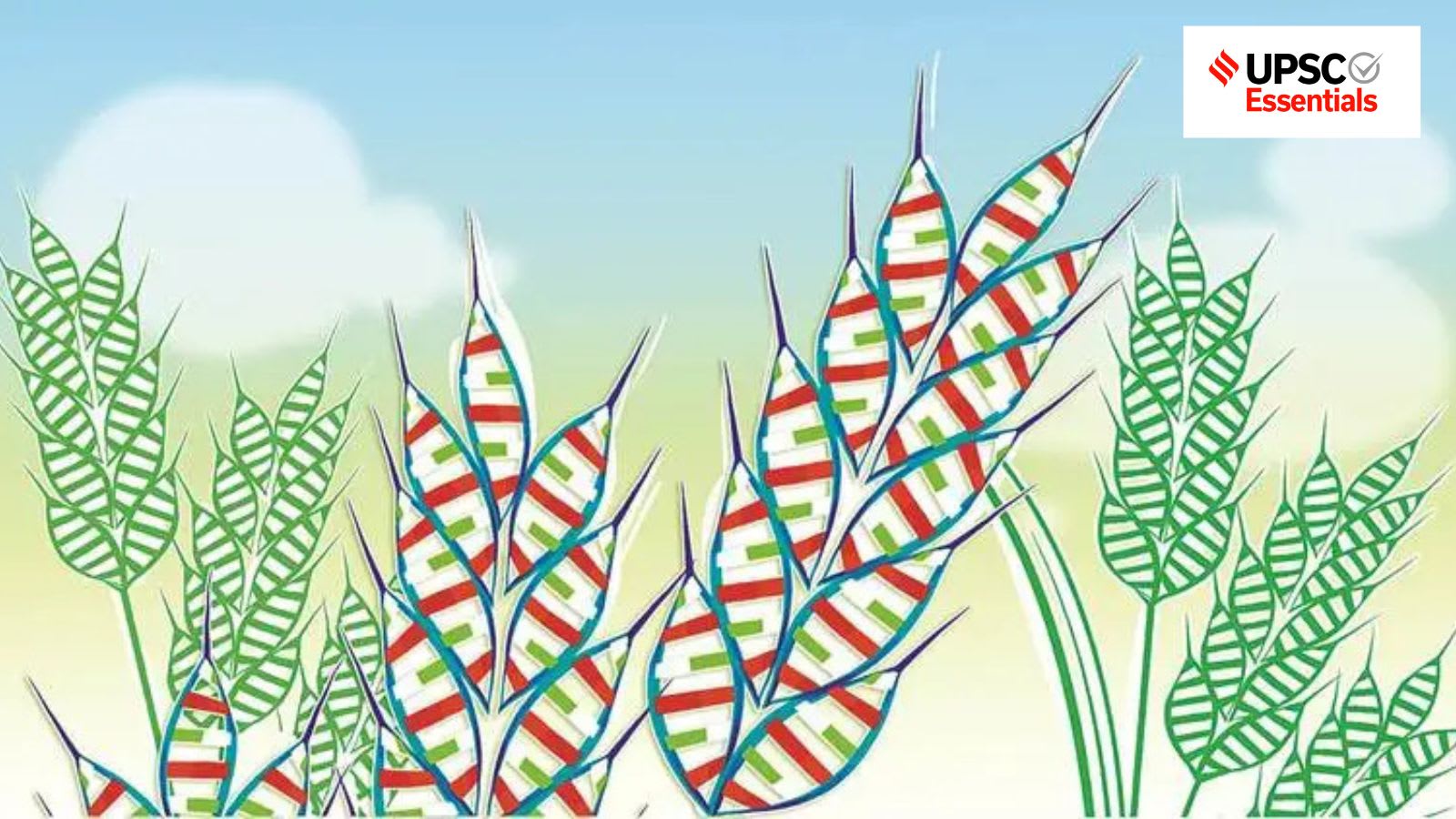
India faces a significant challenge with 'hidden hunger' as it accounts for nearly one-third of global undernutrition. Addressing this requires a strategic focus on food fortification and biofortification to meet extended UN nutritional targets by 2030.
The Crisis of Hidden Hunger in India
The global nutritional landscape is currently facing a precarious juncture. According to the Global Nutrition Report (GNR) 2026, approximately 2.6 billion people worldwide find themselves unable to afford a healthy, balanced diet. This economic barrier to nutrition is compounded by the persistent issue of 'hidden hunger'—a state where individuals consume sufficient calories but suffer from critical micronutrient deficiencies. This invisible crisis remains a significant hurdle to global health equity, prompting the United Nations to extend the ‘UN Decade of Action on Nutrition’ from 2025 to 2030, signaling that current global efforts have yet to meet established targets.
India’s Demographic and Nutritional Burden
India, as the world’s most populous nation, occupies a central position in this global health challenge. Data from the World Health Organization (WHO) highlights a stark reality: India accounts for nearly one-third of the global burden of undernutrition. This disproportionate share is not merely a reflection of population size but a result of systemic challenges that hinder the delivery of essential nutrients to the most vulnerable segments of the population. The persistence of these deficiencies suggests that traditional food security models, which prioritize caloric quantity, are insufficient to address the qualitative needs of the Indian populace.
Converging Macro-Challenges
The nutritional status of India has been further destabilized by a convergence of multifaceted external threats. The aftermath of the COVID-19 pandemic disrupted supply chains and economic stability, while ongoing regional conflicts have introduced volatility into global food markets. Furthermore, anthropogenic activities and the accelerating pace of climatic change have altered agricultural patterns, making it increasingly difficult to maintain consistent food availability and quality. These factors collectively exacerbate the challenges of ensuring food security, pushing the goal of universal nutrition further out of reach.
The Role of Fortification and Biofortification
To combat these systemic issues, experts are increasingly turning toward food fortification and biofortification as scalable interventions. Food fortification involves adding essential micronutrients to staple foods during processing, while biofortification focuses on enhancing the nutritional density of crops through conventional breeding or agronomic practices. By integrating these strategies into the national food supply, India can address micronutrient deficiencies at the population level without requiring drastic changes to dietary habits, making it a highly efficient public health strategy.
Looking Toward 2030
The extension of the UN Decade of Action on Nutrition provides a critical window for India to recalibrate its nutritional policies. Moving forward, the integration of these technologies into government-led distribution systems could prove pivotal in mitigating the effects of 'hidden hunger.' As climatic and economic pressures continue to evolve, the ability to produce and provide nutritionally enhanced food will likely define the success of India's long-term health initiatives. Achieving these 2030 targets will require a concerted effort to align agricultural policy with public health outcomes, ensuring that food security is measured by nutritional value rather than just tonnage.