Only 15 minutes for meditation? Harvard's simple approach may be easier to fit into a busy day
Source Entity
Latest News: Todays Latest News Headlines from India & World | Hindustan Times | Hindustan Times
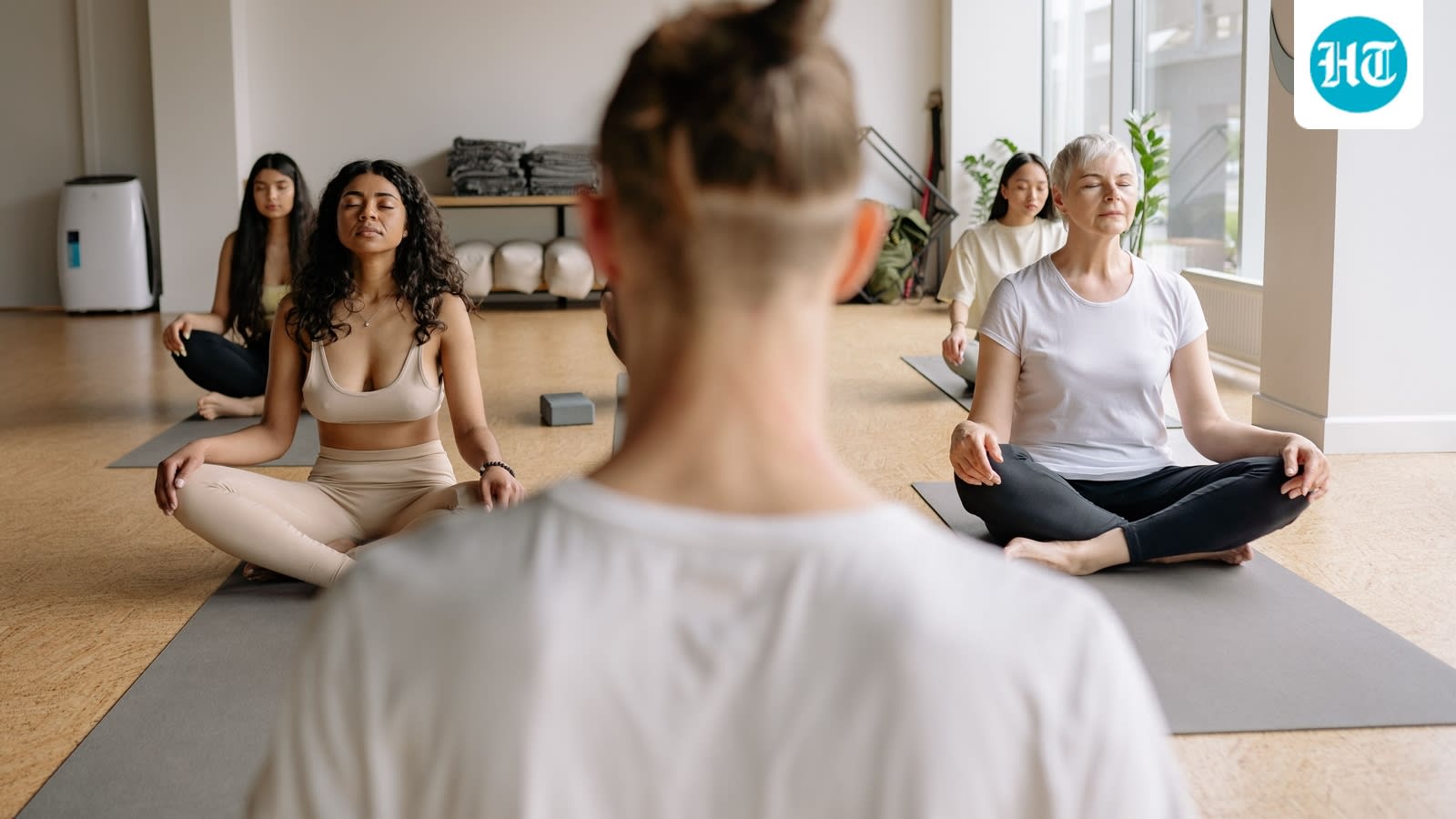
Harvard Health experts suggest that a brief 10 to 15-minute daily meditation practice is more effective for consistency than long, infrequent sessions. This simplified approach helps busy individuals integrate mindfulness into their routines without the pressure of extended time commitments.
Redefining Mindfulness: The Harvard Approach to Brief Meditation
For many, the concept of meditation has long been shrouded in the myth of the hours-long retreat, requiring total silence and a dedicated, distraction-free environment. Harvard Health challenges this perception, emphasizing that the barrier to entry is significantly lower than popular culture suggests. By advocating for a 10 to 15-minute practice, experts are shifting the focus from intensity to consistency, which is arguably the most critical factor in establishing a sustainable mental health habit.
The Science of Consistency Over Duration
The core of the Harvard-backed approach lies in the psychological principle of habit formation. When a task is perceived as a major time commitment—such as a 30 to 60-minute meditation session—the brain is more likely to view it as a chore, leading to procrastination or abandonment. By shortening the duration to a manageable 15-minute window, individuals can lower the psychological hurdle, making it easier to integrate mindfulness into a chaotic, modern schedule.
Breaking the Perfectionist Barrier
Many people avoid meditation because they believe they lack the 'perfect' space or the temperament for extended stillness. This Harvard guidance serves as a necessary intervention, stripping away the performative aspects of mindfulness. You do not need a specialized room or an hour of silence; you only need to commit to a short, repeatable routine. This democratization of mindfulness makes it accessible to everyone, from working professionals to busy parents.
Mindfulness as a Practical Tool
Beyond mental clarity, these brief practices serve as functional tools for daily challenges. Research, including studies cited by Harvard, indicates that these short mindfulness sessions can even impact behaviors like overeating. By fostering a state of awareness, individuals are better equipped to navigate impulses, proving that meditation is not just about relaxation, but about building cognitive control that can be applied to various life stressors.
Developing a Sustainable Routine
The recommendation is simple: pick a practice, make it a routine, and allow for a period of adjustment. Building any habit requires time, and meditation is no exception. By starting with just 10 to 15 minutes, the practitioner allows their nervous system to acclimate to the practice without the burnout associated with overly ambitious goals. This gradual integration is the key to long-term success.
Future Trends in Preventive Mental Health
As our world becomes increasingly fast-paced, the trend toward 'micro-habits' in mental health is likely to grow. The Harvard perspective signals a broader shift in health advice, moving away from rigid, time-consuming interventions toward flexible, evidence-based practices that fit into the cracks of our busy lives. As more people adopt these brief, consistent methods, we may see a significant increase in the general population's ability to manage stress and improve emotional regulation.
Verification Required?