GLP-1s Are Being Linked to Fewer Serious Infections, Including TB
Source Entity
Hacker News
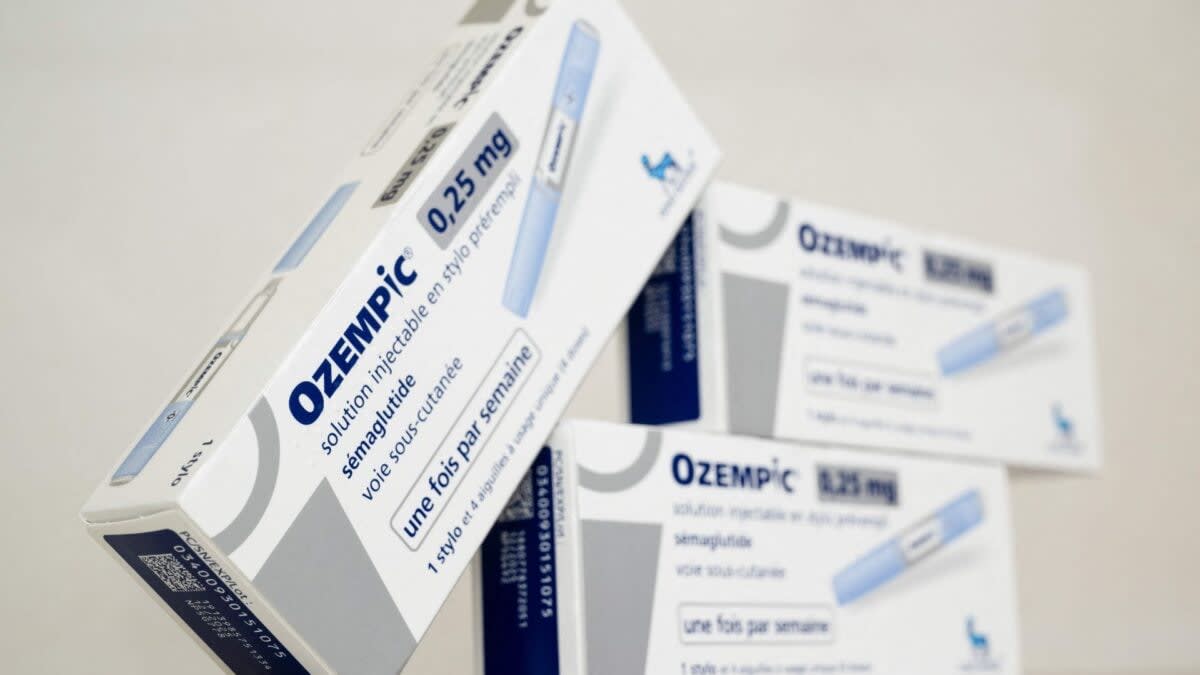
Recent studies suggest that GLP-1 receptor agonists, such as Ozempic and Mounjaro, may offer protective benefits against serious infections like tuberculosis. While further research is required, these findings indicate potential health advantages beyond metabolic management for vulnerable patient populations.
The Expanding Clinical Profile of GLP-1 Receptor Agonists
The landscape of modern pharmacology is currently being reshaped by the rapid rise of GLP-1 receptor agonists (GLP-1RAs), specifically semaglutide and tirzepatide. While these medications—marketed as Ozempic, Wegovy, Mounjaro, and Zepbound—were initially engineered to manage type 2 diabetes and obesity, their clinical utility appears to be broadening. Recent data suggests that the physiological impact of these drugs extends well beyond glycemic control and weight reduction, potentially offering a systemic defense against infectious diseases.
Investigating the Infection-Reduction Link
Two significant studies published in the last month have identified a compelling correlation between GLP-1RA usage and a decreased incidence of severe infections. Specifically, researchers observed that patients utilizing these medications showed a reduced risk of contracting tuberculosis and experiencing infections severe enough to necessitate hospitalization. This emerging evidence suggests that the therapeutic footprint of GLP-1RAs is far more complex than previously understood, hinting at secondary mechanisms that may bolster the body's resilience against external pathogens.
Implications for Vulnerable Populations
For the millions of individuals managing type 2 diabetes, the implications of these findings are profound. Vulnerable populations often face a higher baseline risk for severe infections due to chronic inflammation and metabolic dysregulation. If GLP-1RAs indeed provide a 'buffer' against infectious agents, these drugs could become a standard prophylactic consideration for high-risk patients. The authors of the recent studies emphasize that the metabolic benefits—such as improved insulin sensitivity and weight management—are now being joined by the prospect of enhanced immune support.
Scientific Caution and Future Research
Despite the promising nature of these observations, the scientific community maintains a measured stance. Correlation does not inherently imply causation, and the biological pathways through which GLP-1RAs might modulate immune response remain under active investigation. Future longitudinal studies are essential to isolate the variables and confirm whether these drugs directly influence infection susceptibility or if the observed reduction is a downstream effect of improved overall health markers.
A New Paradigm in Metabolic Medicine
Looking ahead, the potential for GLP-1RAs to act as multi-purpose agents could revolutionize how clinicians approach chronic disease management. If these findings are validated through broader clinical trials, the 'metabolic benefits' currently associated with these drugs may only represent one facet of their therapeutic value. This shift marks a transition in medical research toward understanding how metabolic regulators interact with systemic immunity, potentially paving the way for a new generation of treatments that address both metabolic and infectious disease risks simultaneously.