Over 350 pilgrims stopped as landslide blocks Adi Kailash route in Uttarakhand
Source Entity
Latest News: Todays Latest News Headlines from India & World | Hindustan Times | Hindustan Times
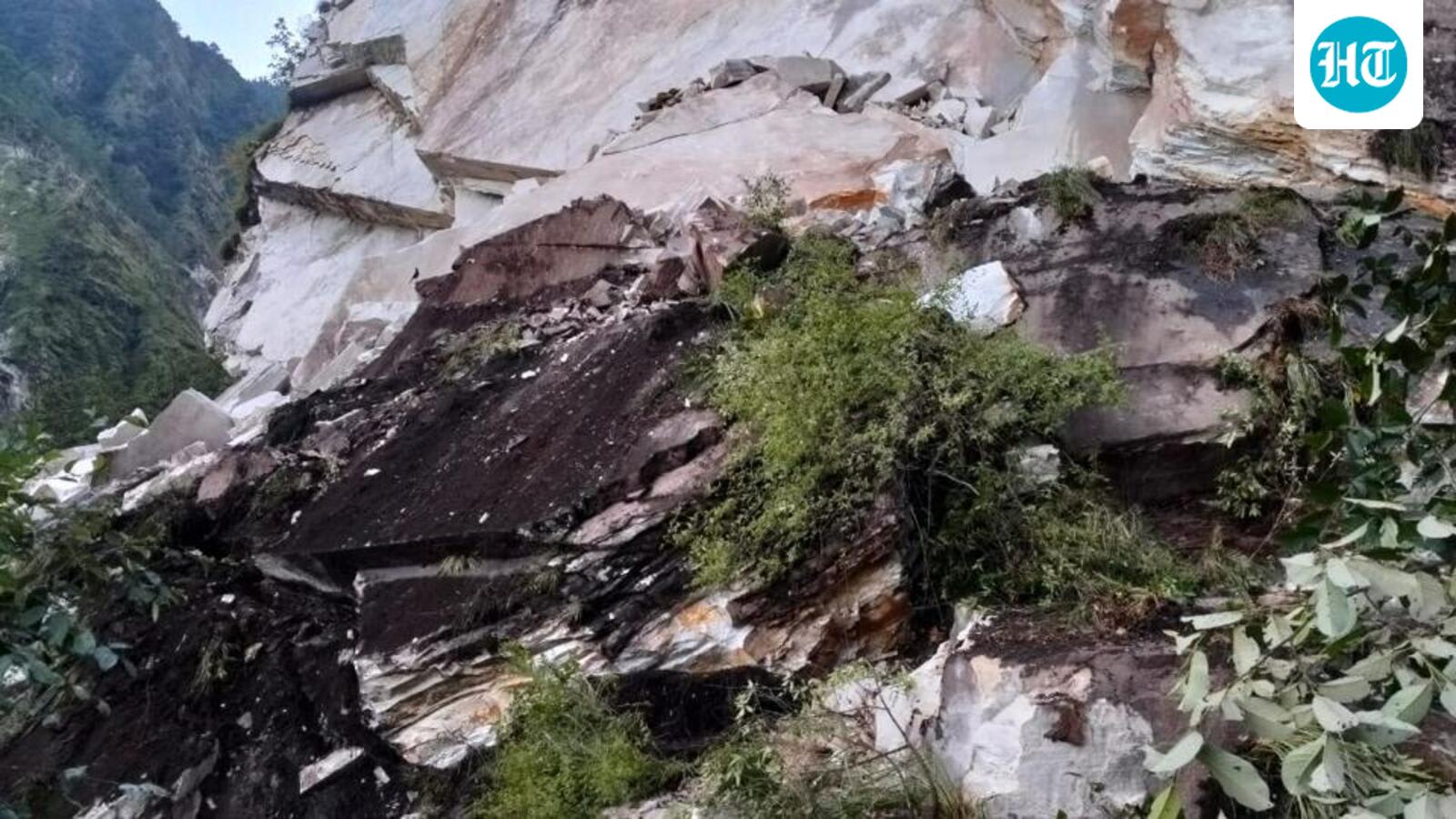
Over 350 Adi Kailash pilgrims are stranded in Dharchula following a major landslide at Mangti nullah. The Border Roads Organisation is working to clear the route, which had only recently been reopened for travel.
Pilgrimage Disrupted: Landslide Blocks Adi Kailash Route
A significant disruption has hit the annual pilgrimage to Adi Kailash in Uttarakhand’s Pithoragarh district. Over 350 pilgrims are currently stranded at the Dharchula base camp following a massive landslide that occurred on Thursday night. The blockage at Mangti nullah has rendered the route to Gunji impassable, halting the movement of devotees who were eager to reach the sacred site.
The Logistics of a Fragile Route
The pilgrimage route to Adi Kailash is notoriously challenging due to its high-altitude topography and volatile geological conditions. According to Dhan Singh Bisht, in-charge of the Kumaon Mandal Vikas Nigam (KMVN) base camp, the Border Roads Organisation (BRO) had successfully cleared snow from the Kuti-Jolingkong stretch just two days prior. This brief window of accessibility allowed vehicles to reach the temple area, but the sudden landslide at Mangti nullah serves as a stark reminder of the unpredictable nature of Himalayan travel.
Geological Vulnerability in Pithoragarh
The Pithoragarh district is situated in a region prone to seismic activity and heavy monsoon-induced landslides. The Mangti nullah is a known bottleneck where debris flow frequently disrupts connectivity between Dharchula and the higher reaches of Gunji. These natural barriers are exacerbated by the steep terrain of the Kumaon Himalayas, where even minor precipitation can trigger significant soil instability.
The Role of Infrastructure and Safety
While the BRO plays a critical role in maintaining connectivity in this remote border region, the infrastructure remains highly susceptible to environmental shifts. The sudden closure of the road highlights the logistical complexities of managing high-volume religious tourism in ecologically sensitive zones. For the stranded pilgrims, the immediate priority is the restoration of the supply chain and the clearing of the path to ensure both their safety and their ability to continue their journey once conditions stabilize.
Broader Implications for Himalayan Tourism
This incident underscores the broader challenges facing pilgrimage tourism in the Himalayan corridors. As climate change increases the frequency of extreme weather events, the vulnerability of roads like the one leading to Adi Kailash is likely to intensify. Future tourism management will necessitate a more robust integration of real-time geological monitoring and rapid-response infrastructure to mitigate the risks associated with these remote, high-altitude religious circuits.
Concluding Outlook
As of now, the safety of the 350 pilgrims remains the primary concern for local authorities. The focus remains on the BRO’s efforts to clear the debris at Mangti nullah. Until the route is deemed secure, the pilgrimage remains at a standstill, illustrating the delicate balance between the spiritual aspirations of devotees and the formidable power of the Himalayan landscape.
Verification Required?