Power demand overshoots government’s projection by 3.3% in April-August
Source Entity
Pratyush Deep
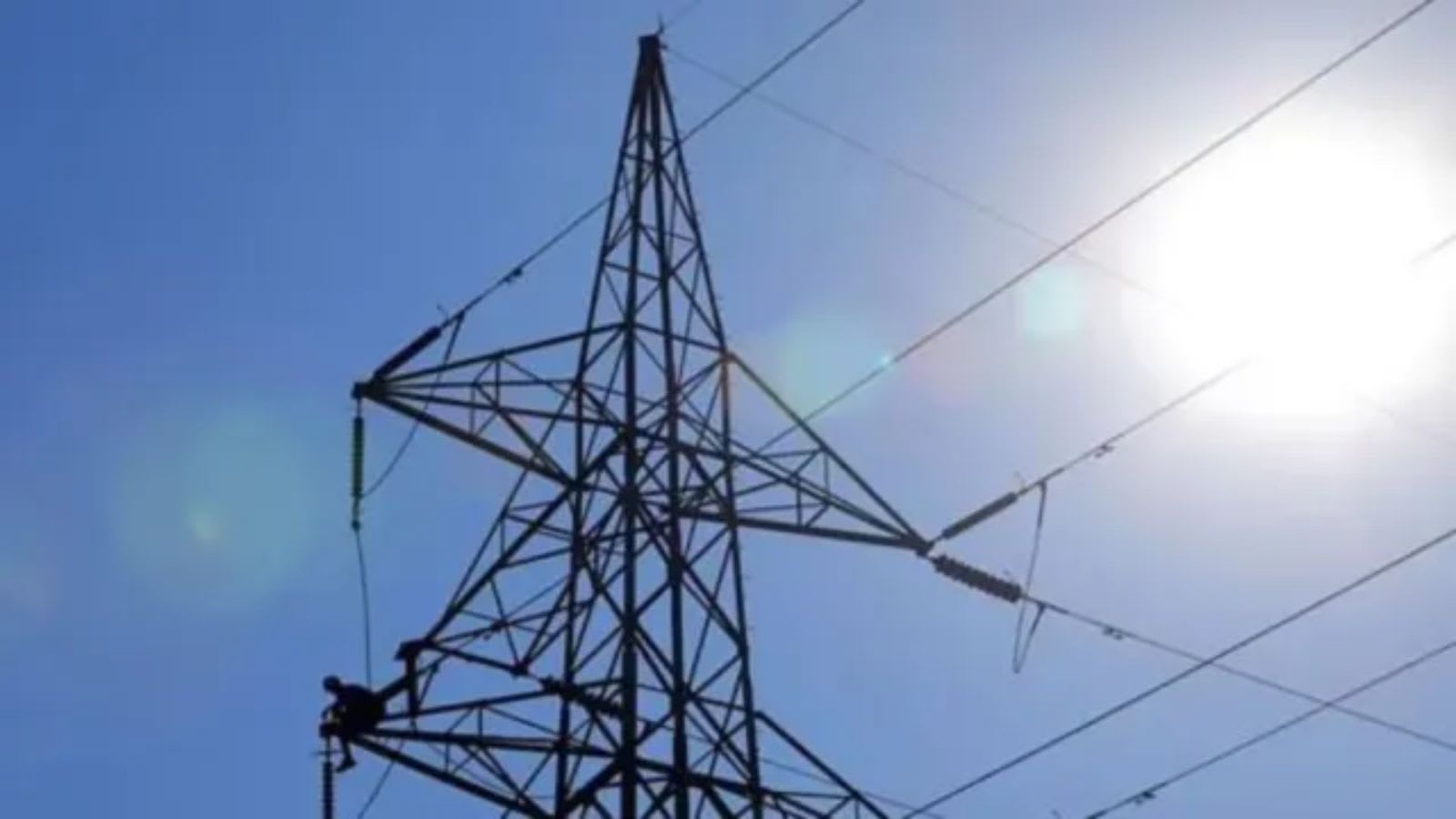
India's power demand from April to August exceeded government projections by 3.3% due to heatwaves and deficient rainfall. This deviation challenges existing energy planning models and highlights the growing volatility in national grid requirements.
India's Power Demand Surge: A Structural Shift
In an unprecedented trend, India’s actual power requirement between April and August has consistently outpaced the projections set by the Central Electricity Authority (CEA). While the CEA’s short-term projections are typically reliable benchmarks, the 3.3% overshoot observed during this five-month window represents a significant departure from historical norms. This deviation is not merely a statistical anomaly but a signal of changing climate patterns affecting energy consumption.
The Drivers: Climate and Consumption
The primary catalysts for this surge are identified as deficient rainfall and persistently high temperatures. In India, meteorological patterns have a direct, linear correlation with grid load; as ambient temperatures rise, the reliance on cooling infrastructure—ranging from residential air conditioning to industrial chillers—spikes exponentially. When these heat events coincide with monsoon deficits, the lack of hydro-power support further compounds the strain on the national grid, forcing a reliance on thermal and other baseload sources that are already operating at peak capacity.
Implications for Grid Planning
Planning for the power system relies heavily on the accuracy of CEA forecasts to ensure adequate coal stocks, transmission maintenance, and grid stability. When actual demand deviates by 3.3% above the projected figures, it places immense pressure on infrastructure. Such discrepancies can lead to localized shortages, operational stress on distribution companies (DISCOMs), and the need for expensive spot-market power purchases to bridge the supply-demand gap.
Historical Context and Emerging Patterns
Historically, actual power requirements have largely remained below CEA short-term projections, reflecting a predictable growth trajectory. However, the data reveals that this specific deviation is not an isolated incident. Similar, albeit smaller, deviations were recorded in 2022 and 2023. This suggests that the current trend is becoming a recurring feature of the Indian energy landscape rather than a one-off event, necessitating a recalibration of how the government models future energy needs.
Challenges to Long-term Energy Security
As India continues its rapid industrialization and urbanization, the base load demand is naturally rising. When climate-driven volatility is added to this baseline, the margin for error in grid management shrinks. The ability to meet these heightened demands is critical for economic stability, as power availability is a cornerstone of industrial productivity.
Future Outlook and Conclusion
Looking ahead, policymakers may need to adopt more dynamic forecasting models that integrate real-time meteorological data and extreme weather modeling. Relying solely on historical averages may no longer suffice in an era of climate unpredictability. Addressing this 3.3% gap is essential for ensuring that India’s energy infrastructure remains resilient against the combined pressures of economic growth and environmental stress.