Who gets to write Adivasi history – and whose voices get left out?
Source Entity
The Indian Express
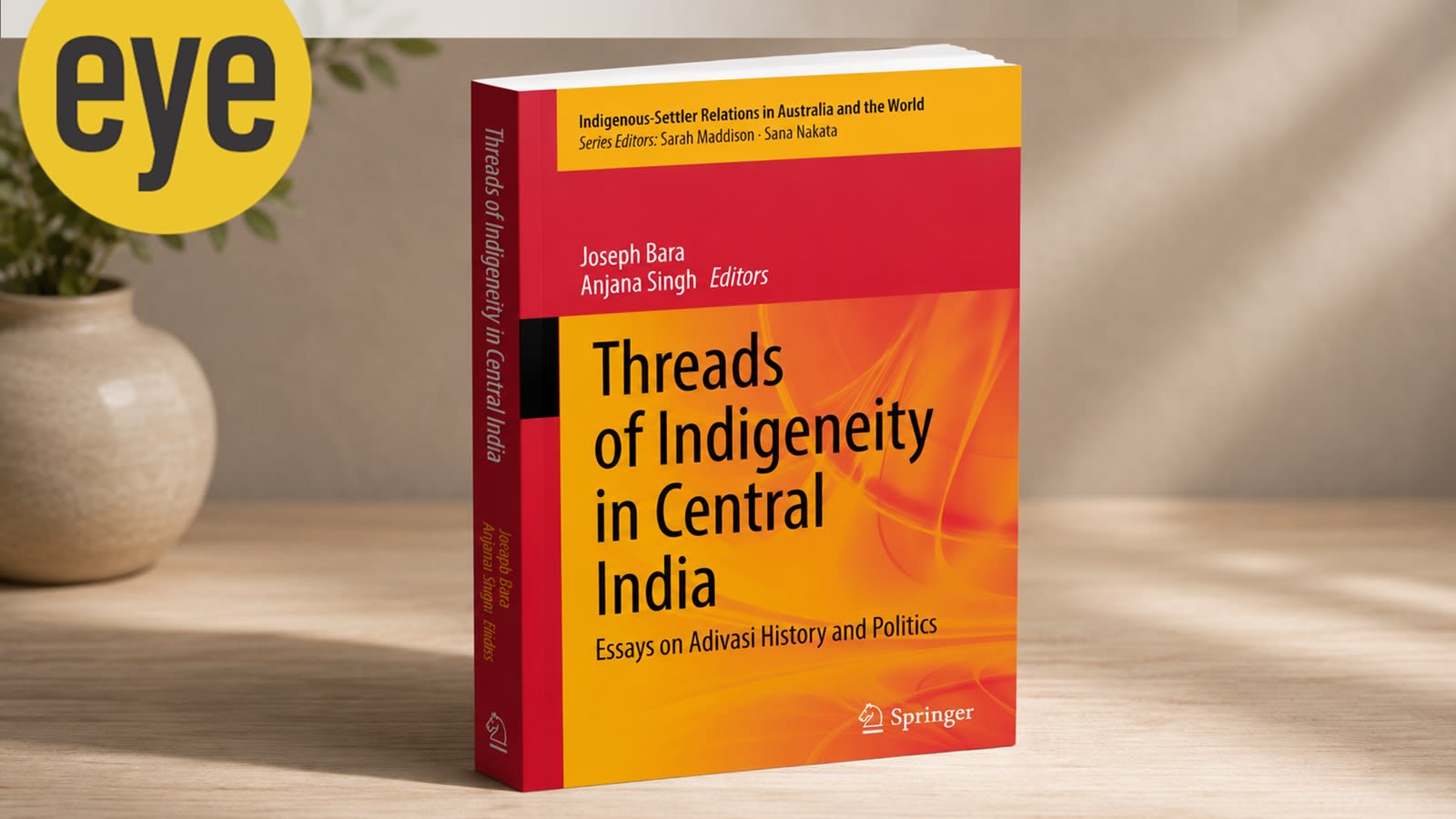
The anthology 'Threads of Indigeneity in Central India' challenges colonial-era biases in Adivasi studies. It highlights the ongoing struggle for recognition and autonomy against linguistic and political marginalization.
Reclaiming the Narrative: The Struggle for Adivasi Historiography
For centuries, the academic study of Adivasi communities in India has been trapped within a restrictive framework defined by appropriation, exclusion, and exoticization. Since the colonial era, external observers and scholars have frequently imposed foreign lenses upon these communities, stripping them of their agency and reducing their complex identities to mere subjects of ethnographic curiosity. This legacy of the colonial gaze has persisted, often ignoring the rich, internal historical narratives that Adivasi populations have cultivated for generations.
The Politics of Nomenclature and Identity
The contemporary discourse remains heavily influenced by these historical biases. A primary site of this contention is the use of terminology; the persistent application of labels such as 'vanvasi' (forest dwellers) serves a specific political function. By framing Adivasis as inhabitants of the forest rather than as 'adi' (original) inhabitants, this rhetoric effectively denies their status as the first nations of the land. This linguistic erasure is not merely academic—it is a political tool used to undermine their claims to land, resources, and distinct cultural recognition.
Dismantling Assimilative Ideologies
Recent years have witnessed a significant shift, as Adivasi scholars and academics have begun to systematically dismantle these Orientalist and myopic perspectives. A crucial development in this movement is the push for separate religious recognition among Adivasi groups across central India. This demand represents a direct challenge to the 'assimilative imaginations' often pushed by mainstream political discourse, which seeks to fold these diverse identities into singular, homogenized national narratives.
A Necessary Scholarly Intervention
Against this backdrop of systemic exclusion, the publication of Threads of Indigeneity in Central India, an anthology edited by Joseph Bara and Anjana Singh, serves as a vital intervention. By centering Adivasi voices and perspectives, the work attempts to move beyond the traditional tropes that have dominated sociological and historical research. It provides a platform for reclaiming the history of these communities, ensuring that the 'indigeneity' of the region is documented by those who have lived it.
Future Implications for Indian Historiography
The emergence of such scholarship indicates a broader trend toward decolonizing Indian history. As these voices gain prominence, the future of Adivasi studies will likely pivot toward self-representation and the rigorous critique of state-sponsored narratives. By prioritizing the 'adi' identity, these scholars are not only correcting the historical record but are also laying the groundwork for more equitable political and social recognition for India's indigenous populations.